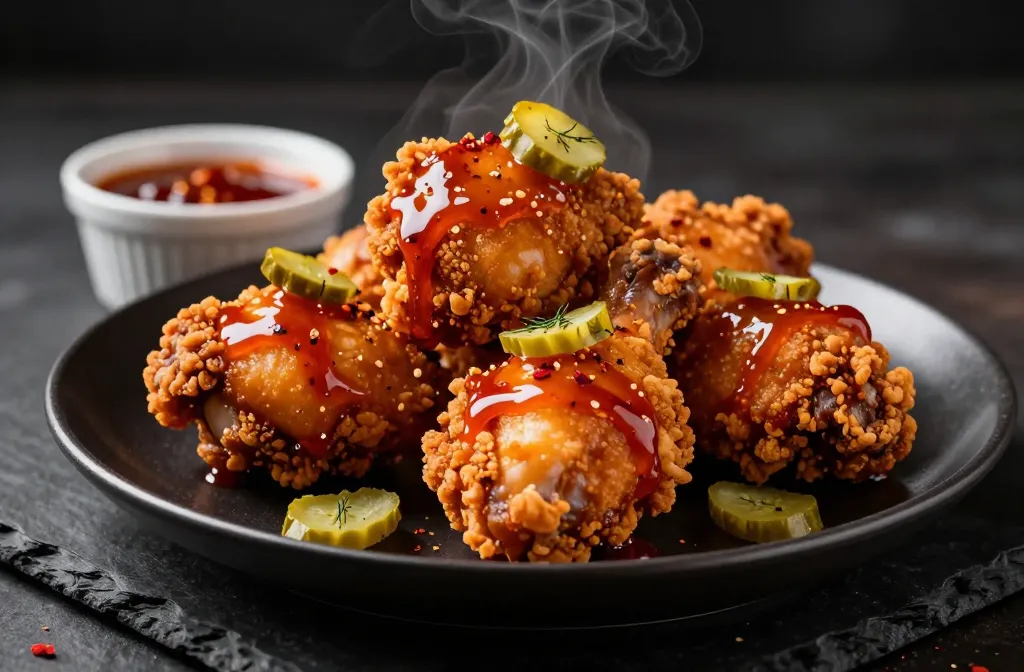
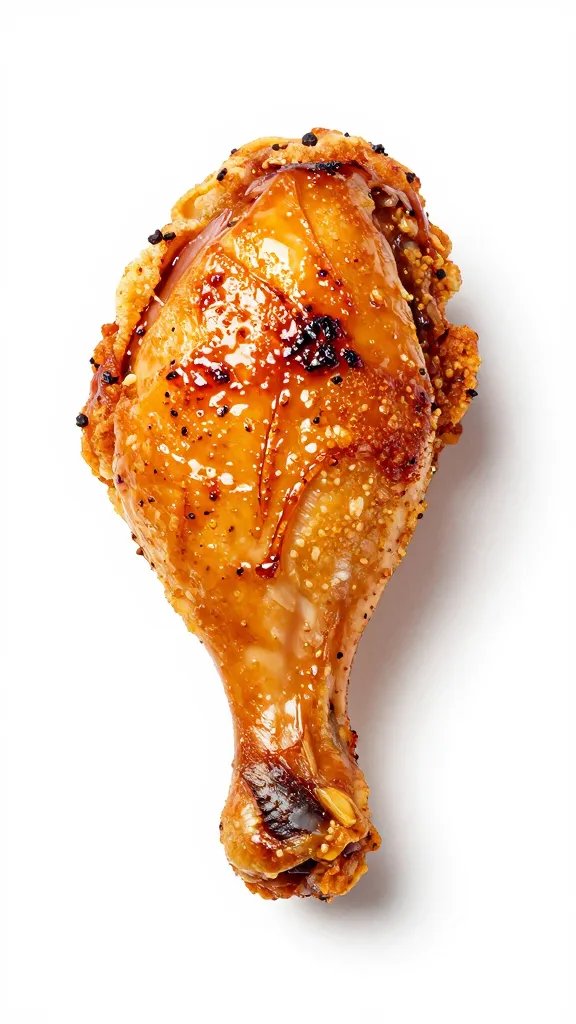
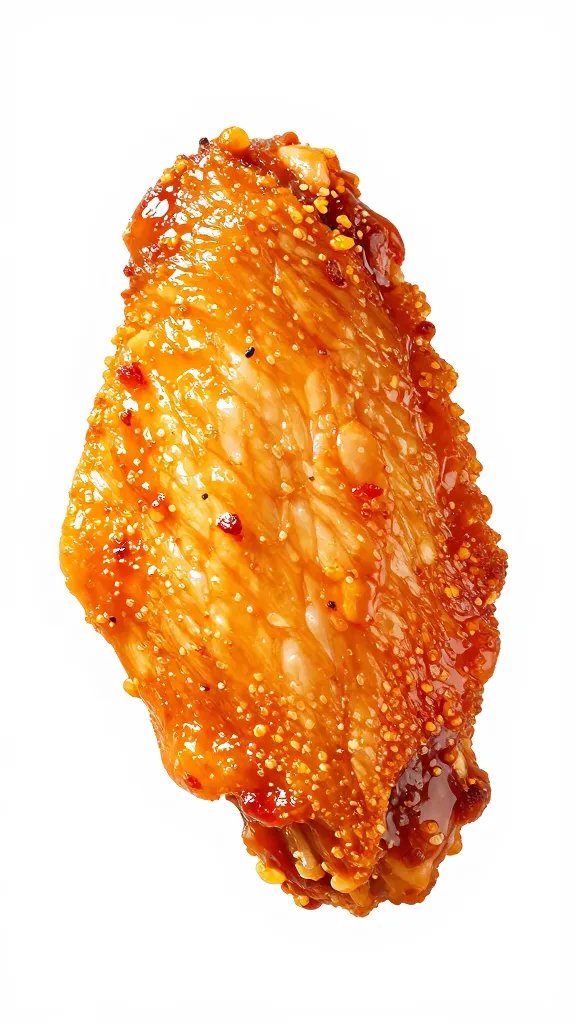
Nashville hot chicken — crackling skin, cayenne oil that coats rather than pools, pickle tang cutting through the fat — built here without flour, without sugar, and without a deep fryer. The air fryer handles the crust; a dry-brined overnight rest handles the skin; a ghee-based cayenne oil with a keto sweetener handles the heat balance that makes this dish tolerable rather than punishing. Below: the case for the dry brine, a heat level guide calibrated by cayenne volume, five variations including a smoked butter version, and every common failure point with its specific fix.
Keto Air Fryer Nashville Hot Chicken
Ingredients
Equipment
Method
- Pat chicken completely dry with paper towels. Mix salt, pepper, smoked paprika, and garlic powder. Rub over and under the skin. Refrigerate uncovered on a wire rack for at least 1 hour, up to overnight.
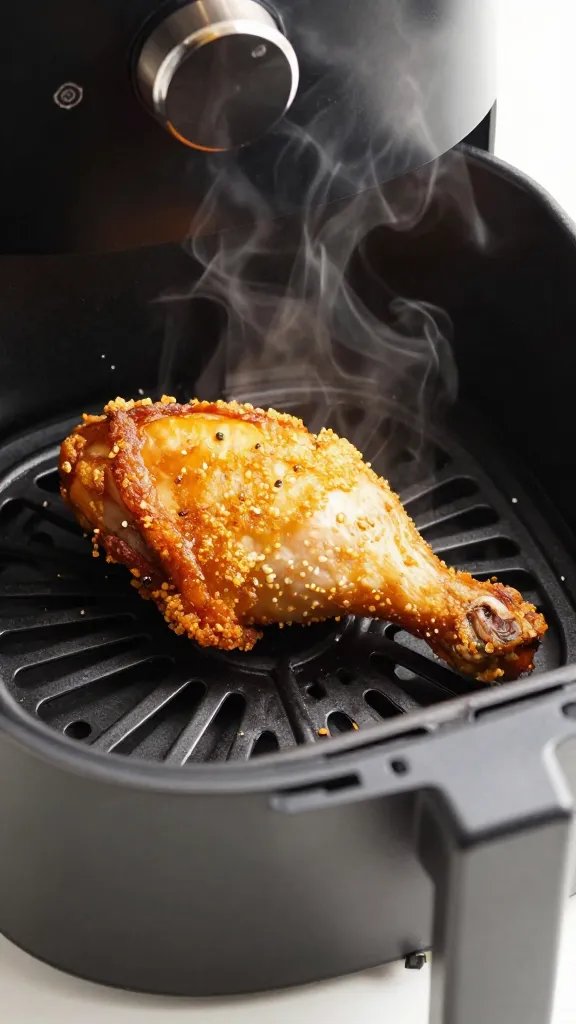
- Preheat air fryer to 380°F (193°C) for 3 minutes. Brush chicken lightly with avocado oil. Arrange chicken skin side up in a single layer.
- Cook 24–28 minutes, flipping once at the 15-minute mark.
- Increase temperature to 400°F (204°C) for the final 3–4 minutes to blister and crisp the skin. Internal temperature should reach 175–185°F (79–85°C) for thighs and drumsticks.
- While chicken cooks, combine all spices and sweetener in a heatproof bowl. Pour in hot melted ghee or coconut oil and whisk until glossy. Taste and adjust cayenne and sweetener.
- Transfer cooked chicken to a rack or sheet pan. Brush cayenne oil over every surface, flip and coat the other side. Serve immediately with sugar-free pickles.
Notes
Why This Recipe Works
Nashville hot chicken is one of the few dishes where the technique genuinely cannot be separated from the result. Understand the three mechanisms below and you understand how to fix any problem that comes up.
The dry brine removes surface moisture — and surface moisture is what prevents skin from crisping. Water on the skin surface turns to steam in the air fryer before the skin temperature can rise high enough for the Maillard reaction. The dry brine draws moisture out of the skin via osmosis, that moisture is then reabsorbed into the meat carrying salt with it, and the skin surface left behind dries under refrigeration. The result is a skin that reaches crisping temperature much faster. An hour works. Overnight works better. Room-temperature seasoning applied immediately before cooking produces skin that is cooked, not crispy.
The fat choice in the cayenne oil determines how the heat reads. Ghee carries fat-soluble capsaicin compounds more efficiently than avocado oil because its milk solids have been removed, leaving a pure butterfat that absorbs and redistributes the spice evenly. Refined coconut oil sits slightly below ghee in flavour depth but cools and thickens as it contacts the hot chicken, producing a lacquered effect that clings better on the surface. Avocado oil stays liquid, distributes easily, and has the most neutral flavour — useful when you want the cayenne and paprika to dominate without any fat character underneath.
The final 3–4 minutes at 400°F blisters rather than burns. At 380°F the skin renders its subcutaneous fat and dries; at 400°F that dried surface begins to char at the raised points. This controlled blistering is the visual texture that reads as “fried” — without it, the skin is golden and cooked but lacks the irregular dark points that signal proper crust development. Pull at the blistering stage, not before.
On the keto sweetener in the cayenne oil: This is not about sweetness — it is about heat balance. Capsaicin activates TRPV1 pain receptors; allulose and erythritol suppress the sharpness of that activation without reducing the heat level. The oil tastes hotter without sweetener, but the burn is less controlled and less enjoyable. Start at 1 tbsp allulose and adjust from there.
Which Cut Is Right for You?
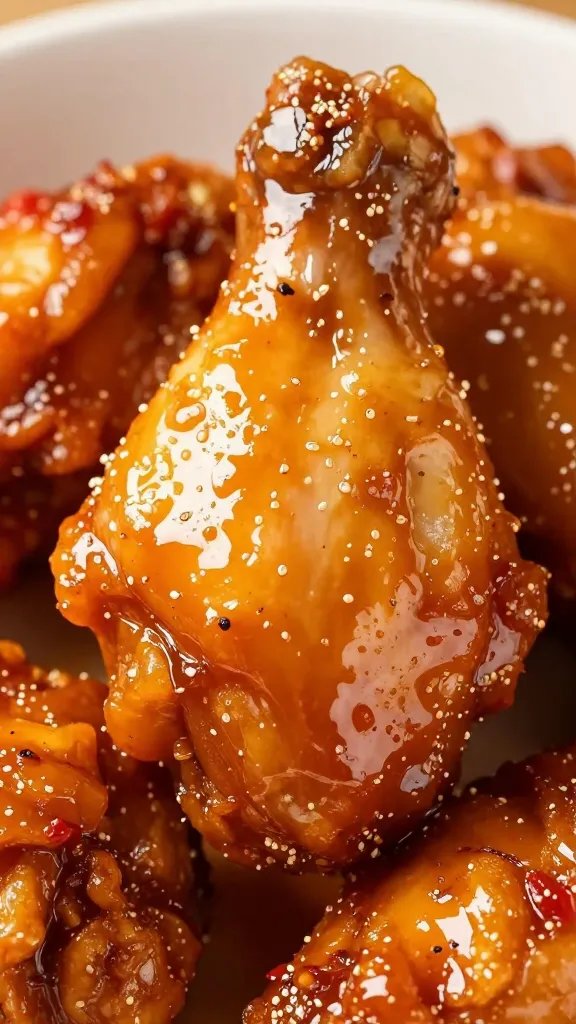
The cut changes the cook time, the fat content, and how much the cayenne oil clings — which matters more than it sounds.
| Cut | Best For | Cook Time | Difficulty |
|---|---|---|---|
| Bone-in, skin-on thighs | Maximum skin surface, stays juicy, best oil adhesion | 24–28 min + 3–4 min at 400°F | Beginner |
| Bone-in, skin-on drumsticks | Finger food presentation, same skin quality as thighs | 22–26 min + 3–4 min at 400°F | Beginner |
| Boneless, skin-on thighs | Easier to eat, slightly faster cook, retains skin benefit | 18–22 min + 3 min at 400°F | Beginner |
| Boneless, skinless thighs | Lower fat, faster cook — oil clings less without skin surface | 12–16 min at 380°F | Beginner |
| Bone-in, skin-on breast | Leaner protein — smaller margin for error, dries out above 165°F | 20–24 min + 3 min at 400°F | Intermediate |
Start with bone-in, skin-on thighs. They have the widest margin for error — the fat content keeps the meat moist even if you overshoot the temperature by a few degrees — and the skin surface gives the cayenne oil the most to grip. If you prefer less fat, boneless skinless thighs work but require a different approach: apply oil generously and serve immediately, as there is nothing to hold it once the dish cools.
The Five Steps That Determine the Result
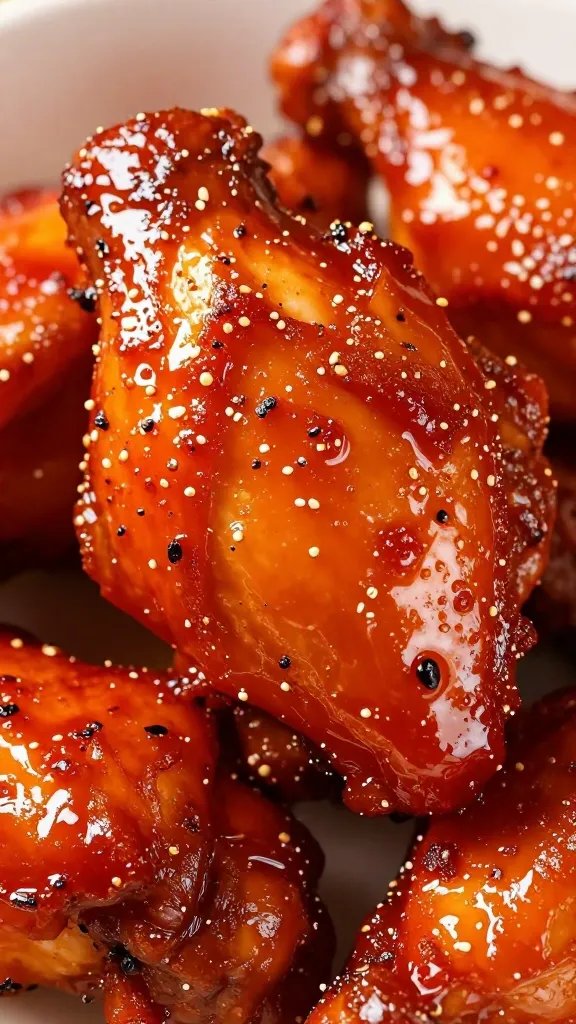
In order of impact. The first two are non-negotiable — everything else builds on them.
- Dry the chicken completely, then dry-brine it uncovered in the fridge. This is the single most impactful step. Surface moisture prevents the skin from reaching crisping temperature — it steams instead of browning. Pat with paper towels, apply the dry rub, then refrigerate on a wire rack, uncovered, for at least one hour. Overnight produces noticeably better skin because the surface moisture continues to evaporate throughout the night.
- Do not crowd the basket. Overlapping pieces trap steam between them. Each piece needs clearance on all sides for air to circulate. If you have more than four thighs, cook in two batches — the second batch stays warm in a 200°F oven while the first is being coated.
- Flip once at the correct midpoint. Flipping too early does not give the skin-side enough time to render its fat and begin browning. Flip at 15 minutes for thighs and drumsticks — the skin should have colour before it meets the basket surface on the second half of cooking.
- Make the cayenne oil while the chicken cooks, not before. The oil needs to be hot when it contacts the chicken — warm fat coats the skin surface and begins to set immediately on contact. Oil that has cooled to room temperature pools rather than coats. If the oil has thickened before the chicken is ready (particularly with coconut oil), reheat it briefly.
- Coat immediately off the heat, before the skin softens. Crispy skin softens as it rests — the window between perfect crunch and softened surface is about three minutes. Transfer to the rack, brush both sides with cayenne oil, and serve within two minutes of coating. Do not plate and wait.
I tested both ghee and avocado oil in the cayenne oil on the same batch — same spice quantities, same chicken. The ghee version tasted deeper and more rounded; the avocado oil version tasted hotter, sharper, and less complex. The spice content was identical. The fat was the only variable.
Five Variations Worth Making
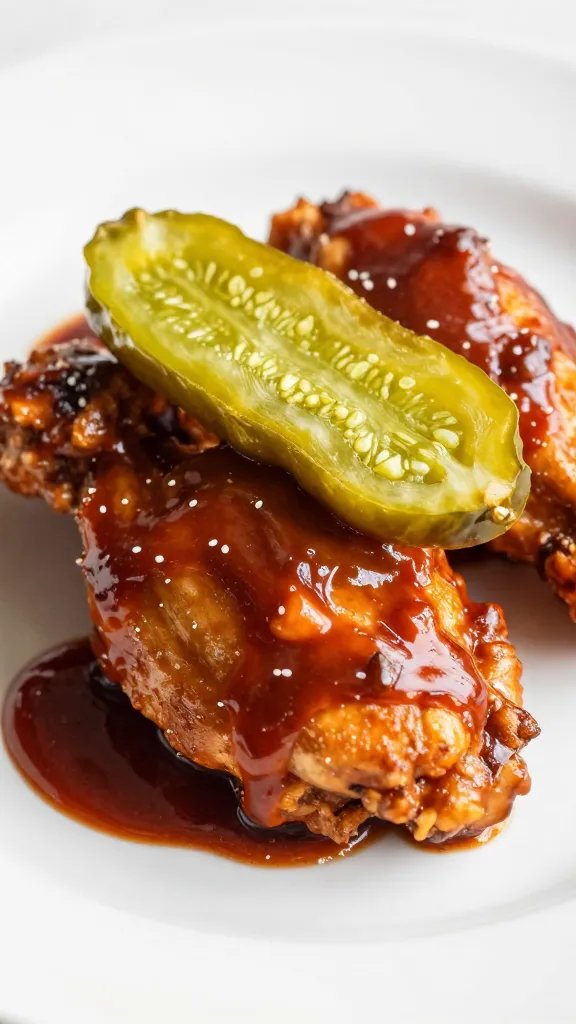
All use the same air fryer technique and dry brine. The cayenne oil is where the variation happens. Carb counts are per thigh including oil.
Mild with Smoked Butter
Reduce cayenne to 1 tbsp and replace ghee with smoked brown butter — brown the butter until the milk solids turn deep amber, then cool before adding spices. The nuttiness of the browned milk solids reads as BBQ-adjacent depth rather than heat. A significantly different dish: more complex, less confrontational, still distinctly Nashville in structure.
~2g net carbs Best for: heat-sensitive, entertainingKorean-Inspired Gochugaru
Swap cayenne for an equal volume of gochugaru (Korean red pepper flakes). Gochugaru has roughly 60% of cayenne’s heat with a fruity, slightly smoky undertone that makes the oil significantly more complex. Add 1 tsp sesame oil to the fat base and serve with sugar-free kimchi instead of pickles. The sweetener is essential here — gochugaru is more bitter than cayenne without it.
~3g net carbs Best for: weeknights, flavour variationExtra Hot — Habanero Oil
Replace 1 tbsp cayenne with 1 tsp habanero powder and increase cayenne to 3 tbsp. Habanero powder contains significantly more capsaicin than cayenne and a citrus-floral note that cayenne lacks — the heat arrives later and lasts longer. Increase allulose to 2 tbsp; without it, the combined heat is unbalanced and difficult to finish. Not a recipe for the underprepared.
~2g net carbs Best for: heat enthusiasts onlyLemon-Herb Cool Down
Reduce cayenne to 1 tbsp and add 1 tsp lemon zest, 1 tbsp chopped fresh thyme, and an extra ½ tsp sweet paprika to the oil. Finish with a squeeze of lemon over the coated chicken. This is the version that works at a dinner table where not everyone wants heat — it retains the cayenne oil structure without the intensity.
~2g net carbs Best for: family meals, crowd cookingDairy-Free
Replace ghee with refined coconut oil throughout. The flavour is slightly less deep than ghee but fully dairy-free and stable at high temperatures. Refined coconut oil (not virgin) has no coconut flavour — do not substitute virgin coconut oil, which will clash with the cayenne and paprika. The lacquering effect as the coconut oil cools on the skin is slightly more pronounced than with ghee.
~2g net carbs Best for: dairy-free ketoWhat to Serve With This
The cayenne oil is rich and intensely flavoured — everything alongside it should provide contrast: cool, creamy, or acidic, not more fat and heat.
- Shredded cabbage slaw with lemon mayo and celery seed: The acidity and crunch of a simple slaw cuts through the cayenne oil without competing with it. Dress with 2 tbsp mayo, 1 tbsp lemon juice, celery seed, and salt — no sweetener needed, the acidity balances the richness. This is the classic Nashville pairing and the one that works best. Adds roughly 2g net carbs per half-cup serving.
- Ranch cucumber slices with dill: The cooling fat of ranch against the heat of the chicken is not subtle — it is the point. Slice cucumbers thick enough that they hold up to dipping into the cayenne oil that runs off the chicken. Adds under 3g net carbs per serving.
- Roasted green beans with garlic and lemon: For a complete plate rather than finger food — toss green beans with olive oil, two crushed garlic cloves, salt, and pepper, roast at 400°F for 12 minutes, finish with lemon zest. The slight bitterness and lemon brightness sit well against the spiced fat of the chicken. Adds 4g net carbs per cup.
Keto macro note (chicken + slaw): Approximately 4g net carbs | 24g protein | 34g fat | 420 calories. The slaw adds negligible carbs but significant volume — useful for making a two-thigh serving feel complete without additional protein.
Meal Prep and Storage
The cayenne oil and the chicken should be stored and reheated separately. Applying oil before storage softens the skin and makes it impossible to restore full crunch.
To store: Cool cooked chicken completely on a wire rack before refrigerating — placing hot chicken directly in a container traps steam and softens the skin from the inside. Store dry (no oil applied) in a single layer or separated by parchment. Keeps for 3–4 days. Store cayenne oil in a separate jar at room temperature if ghee or coconut oil based — it will solidify, which is fine.
To reheat: Air fryer at 375°F for 5–7 minutes until the skin has crisped again and the chicken is heated through to 165°F. Warm the cayenne oil separately — ghee and coconut oil will need 30 seconds in the microwave or a few minutes in a small saucepan. Brush immediately after reheating and serve within two minutes.
The dry brine as meal prep: Season chicken and refrigerate uncovered up to 24 hours before cooking. This is the most useful form of advance preparation — the longer the brine, the better the skin. Season on Sunday, cook on Monday with no prep required beyond preheating the air fryer.
Freezing: Freeze cooked, uncoated chicken in a single layer, then transfer to a bag once solid. Reheat from frozen at 375°F for 10–12 minutes. The skin will not fully recover its original crispness from frozen — acceptable for a weeknight meal, but not for serving to guests.
Troubleshooting
Frequently Asked Questions
165°F is the USDA safe minimum for poultry, but thighs eaten at exactly 165°F have a slightly gelatinous texture because the collagen in the connective tissue has not fully converted to gelatin, and the intramuscular fat has not completely rendered. At 175–185°F, that conversion is complete — the meat pulls more cleanly from the bone and the fat layer under the skin has finished rendering, which is what allows the skin to crisp properly in the final high-heat stage. This temperature range is safe; it is simply higher than the minimum required.
Yes — the sweetener is not a structural ingredient and the recipe works without it. The difference is in the balance of the heat: with sweetener, the burn arrives quickly and remains controlled; without it, the capsaicin activation is sharper, lingers longer, and builds cumulatively across pieces. If you are avoiding all sweeteners including erythritol and allulose, increase the smoked paprika by ½ tsp and the salt by a pinch — both compounds partially moderate the perception of raw heat without adding sweetness.
It makes a significant and visible difference. In a direct comparison — same chicken, same air fryer, same temperature, same cook time — dry-brined chicken produces skin that blisters and chars at the raised points during the 400°F finish stage. Unbrined chicken at the same stage produces skin that is golden and cooked but does not develop the same irregular crisp surface. The difference is the moisture content of the skin surface before cooking. One hour produces a clear improvement; overnight produces the best result of the three options.
They produce different results rather than one being superior. Ghee gives a richer, more complex oil with a subtle nuttiness that reads well against cayenne — it is the better choice if flavour depth is the priority. Refined coconut oil is fully neutral and cools quickly, which means it begins to set on the hot skin surface and produces a more lacquered, visually glossy finish — better if presentation matters or if you are serving immediately and want the oil to stay in place rather than running. Either works; the choice depends on what you are optimising for.
The white bread in the original serves a functional purpose — it absorbs the excess cayenne oil that runs off the chicken and acts as a platform that moderates the heat in each bite. Without it, the full intensity of the oil is experienced with no buffer. A chaffle or keto white bread performs the same function adequately. If you are eating this as a hand-held dish, some form of base makes the experience significantly more manageable. If you are plating it with sides and eating with cutlery, the substitute is less important.
Your Next Recipe
Pork Rind Crusted Air Fryer Fried Chicken — the dry brine technique from this recipe carries directly across, and the pork rind crust adds a different dimension to the same skin-first philosophy.
If you understood why the dry brine and the 400°F finish stage matter here, that recipe applies the same logic to a coated crust — which introduces a new set of adhesion variables worth understanding before you attempt it.
The original Prince’s Hot Chicken in Nashville was created as a punitive dish — Thornton Prince’s girlfriend allegedly made it as hot as possible as an act of revenge. He liked it. The spice level that was meant to be the point became the identity of the dish. Most keto adaptations dial the heat back in the name of accessibility, which misses what makes Nashville hot chicken worth making in the first place. The cayenne quantities here are not excessive — they are calibrated. Adjust them if you need to, but understand that reducing the heat below 2 tbsp cayenne produces a spiced chicken dish, not Nashville hot chicken.
Which fat did you use in the cayenne oil — ghee, coconut oil, or avocado oil — and did it change how the heat reads?
More Keto Air Fryer Chicken Recipes
Printable Recipe Card
Want just the essential recipe details without scrolling through the article? Get our printable recipe card with just the ingredients and instructions.