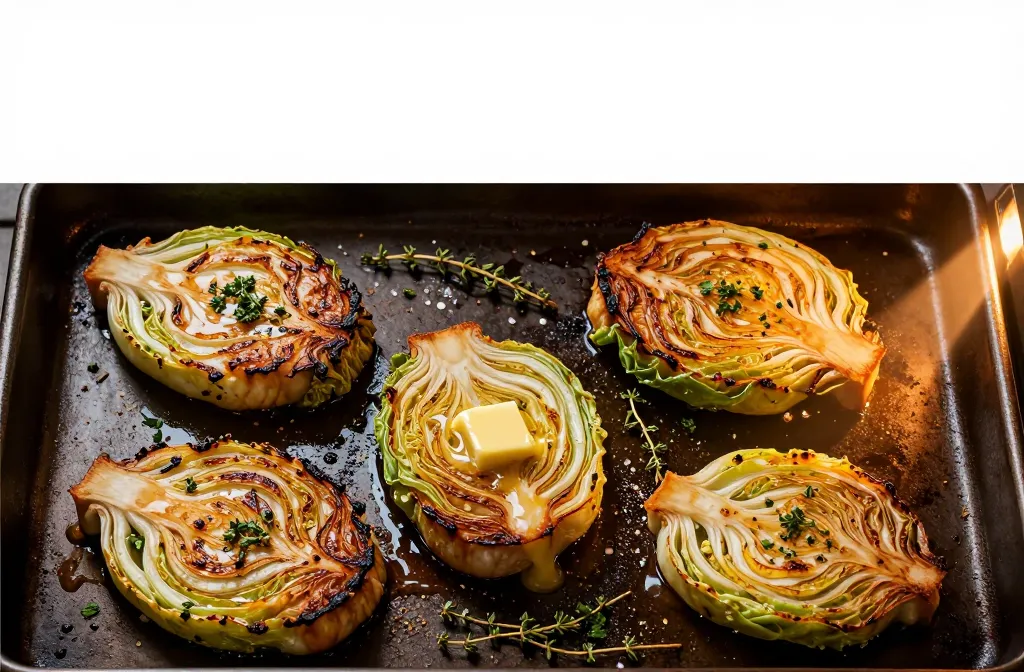
I started making cabbage steaks on cramped weeknights when I wanted something hearty that didn’t require specialty pans or odd ingredients. If your cabbage turns soggy, sulfurous, or pale, I’ve been there — and fixed it. In this guide I’ll show you how to get deep browning, tender centers, and fragrant butter-herb flavor with tools you already own. You’ll learn exact slice thickness, oven temps, pan choices, and timing so dinner comes out right the first time.
The Science Behind Crisp, Caramelized Cabbage
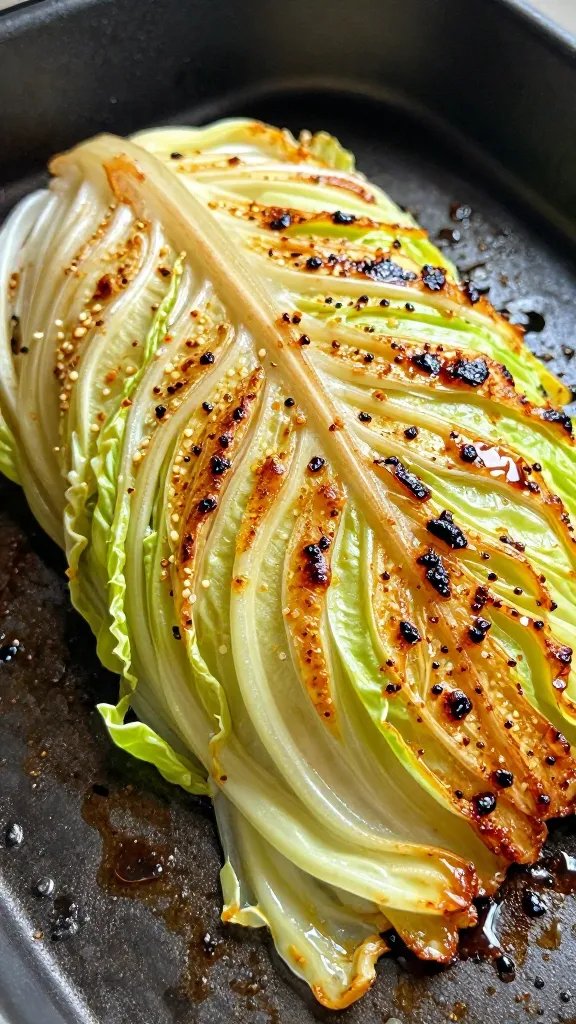
Cabbage needs high, steady heat to drive off surface moisture and caramelize natural sugars. Low heat or crowding traps steam, which softens leaves and blocks browning.
I use a hot oven or a ripping-hot skillet to sear the flat faces of the steak. That contact turns pale leaves into sweet, nutty crusts while the inner layers turn tender.
Action today: Preheat your oven to 450°F and leave the sheet pan inside while it heats — hot metal equals faster browning.
Choose the Right Cabbage, Thickness, and Cut
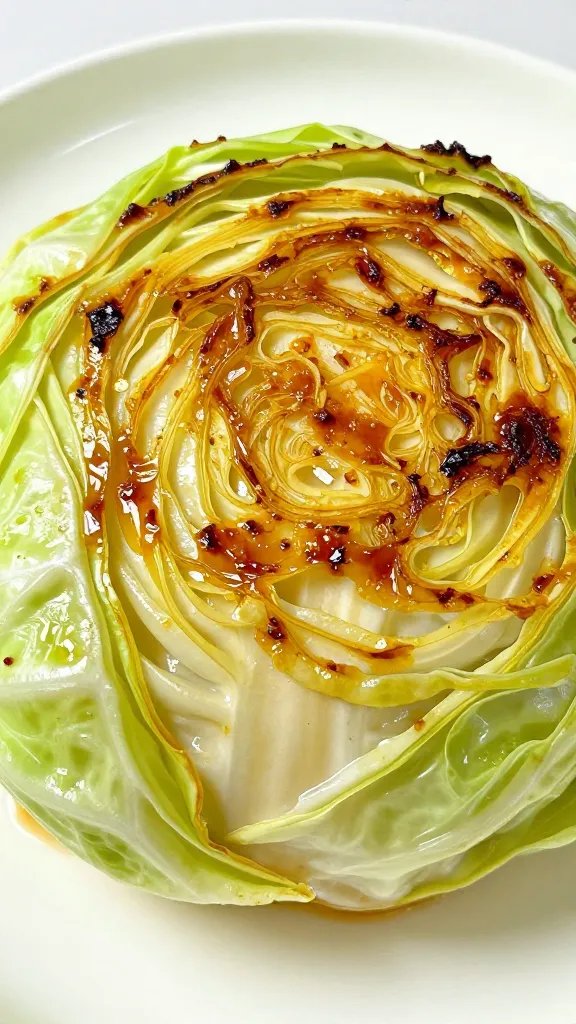
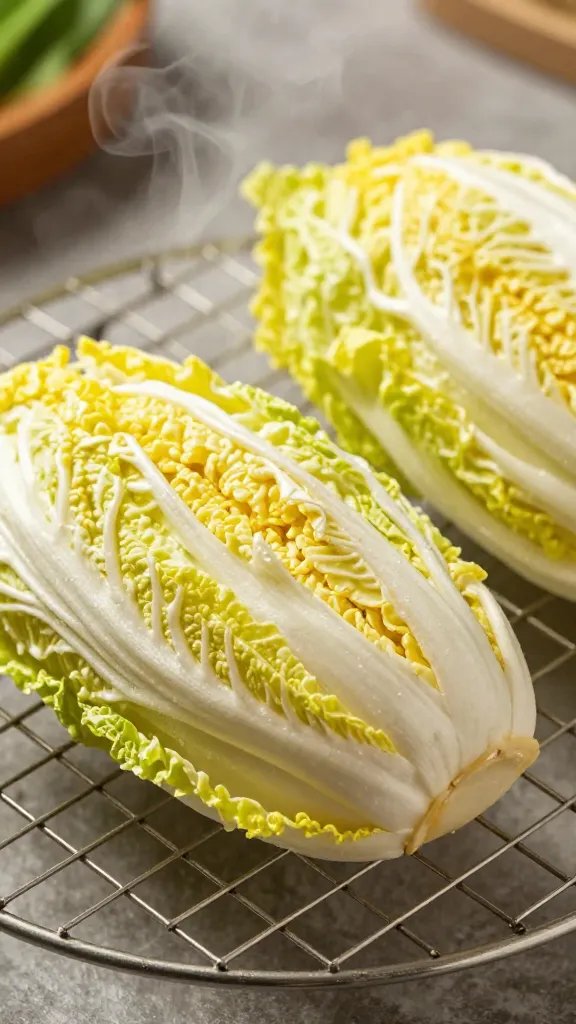
Use a heavy, firm green or Savoy cabbage for even steaks. Red cabbage also works but browns slightly slower. Avoid loose, gappy heads that fall apart.
Slice steaks 1 to 1¼ inches thick from top to core, keeping a bit of core attached so they hold together. Trim only the dry end of the core — don’t remove it fully.
Action today: Grab your largest chef’s knife and cut the head into 4–6 even slabs, each 1–1¼ inches thick, leaving the core intact.
Butter–Herb Flavor That Doesn’t Burn
Butter tastes incredible but burns if exposed to high heat too long. I combine oil for the sear and finish with butter and herbs at the end so the dairy solids don’t scorch.
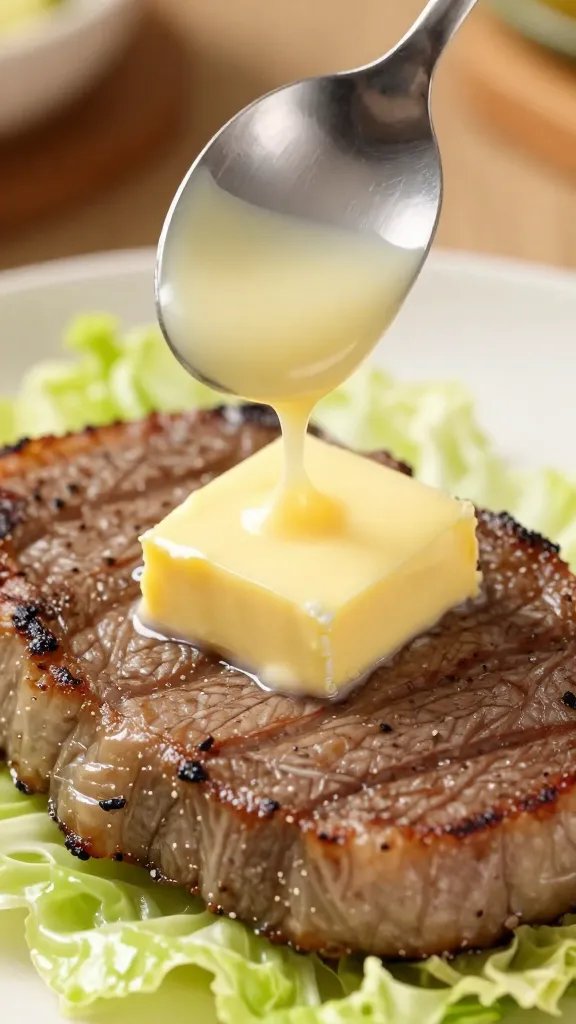
Use neutral oil with a higher smoke point (light olive oil, avocado, or canola) for initial roasting. Melt butter separately with herbs and spoon it on in the last 5–7 minutes, or right after roasting while the steaks rest.
Herb Combinations That Work
- Classic: Parsley + chives + lemon zest
- Woodsy: Thyme + rosemary + black pepper
- Bright: Dill + garlic + crushed red pepper
- Earthy: Sage + browned butter + a splash of vinegar
Action today: Stir 3 tablespoons melted butter with 2 tablespoons chopped herbs, 1 small grated garlic clove, and 1 teaspoon lemon zest; hold it for the finish.
The Foolproof Oven Method (Best for Even Results)
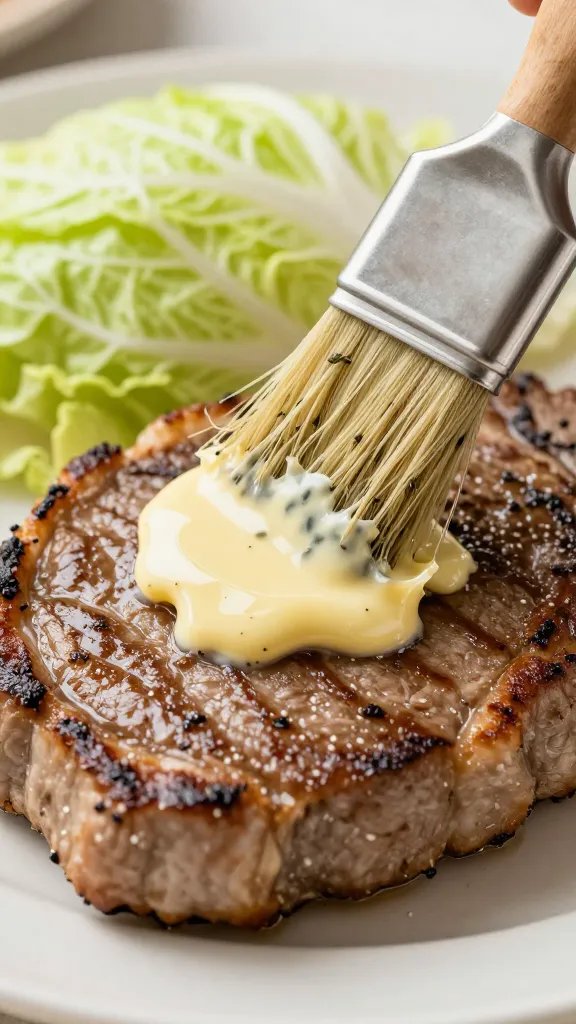
This is the simplest, most reliable path to crisp edges and a tender core using one pan.
- Preheat: Set oven to 450°F. Place a heavy sheet pan inside to heat for 10 minutes.
- Prep steaks: Pat dry. Brush both sides with 2–3 tablespoons oil total. Season with 1–1¼ teaspoons kosher salt and ½ teaspoon black pepper for a medium head.
- Roast side one: Lay steaks on the hot pan. Roast 14–16 minutes until the bottoms are deeply browned.
- Flip and finish: Flip carefully with a wide spatula. Roast 10–12 minutes more, until the centers are tender when pierced.
- Butter–herb finish: Spoon the butter–herb mix over the hot steaks. Return to the oven for 3–5 minutes, or rest on the counter 2 minutes to melt.
Action today: Set a timer for the first side — don’t guess. Check the underside at 14 minutes for dark golden edges before flipping.
Skillet–Oven Hybrid (Fast Browning, Restaurant-Level Crust)
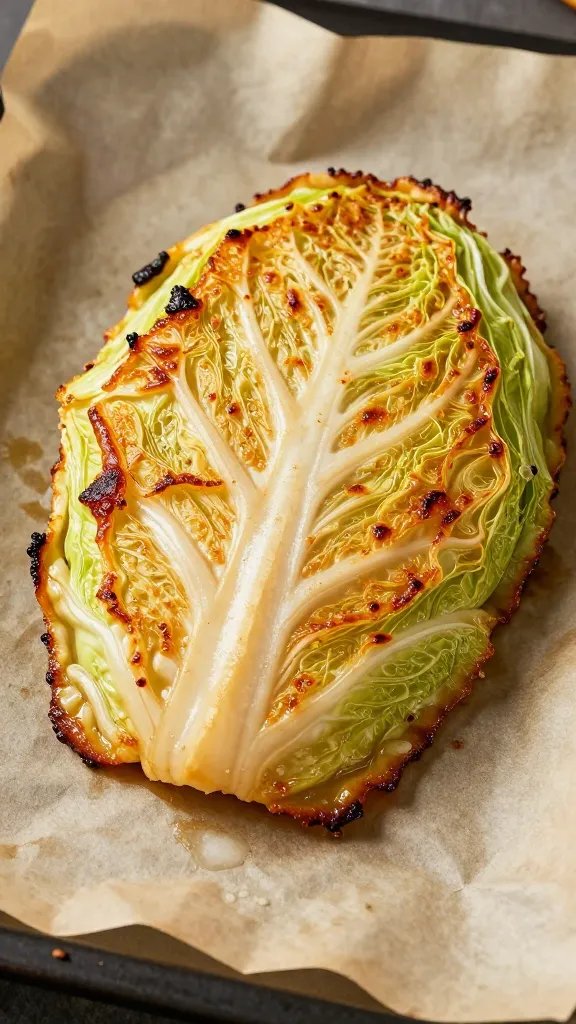
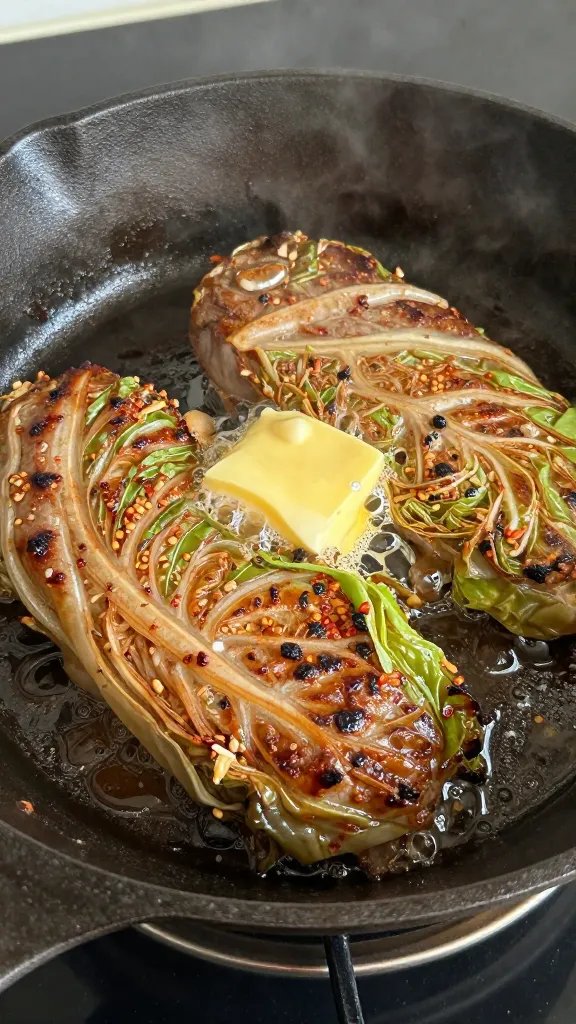
When I want extra-deep crust, I start in a cast-iron skillet and finish in the oven. This method keeps leaves intact and maximizes contact browning.
- Preheat: Oven to 450°F. Heat a 12-inch cast-iron skillet on medium-high for 3–4 minutes.
- Sear: Add 1 tablespoon oil, then 2–3 steaks. Press gently with a spatula. Sear 3–4 minutes until well browned.
- Flip + transfer: Flip, add another teaspoon oil if dry, then move the skillet to the oven for 8–10 minutes.
- Butter–herb finish: Spoon butter–herb over steaks in the last 2–3 minutes, or baste off-heat.
Warning: Don’t overcrowd. Two steaks per batch in a 12-inch skillet is the limit for real sear.
Action today: If your skillet smokes aggressively, drop heat slightly; you want steady sizzle, not a smoke alarm.
Seasoning Upgrades That Make It Dinner
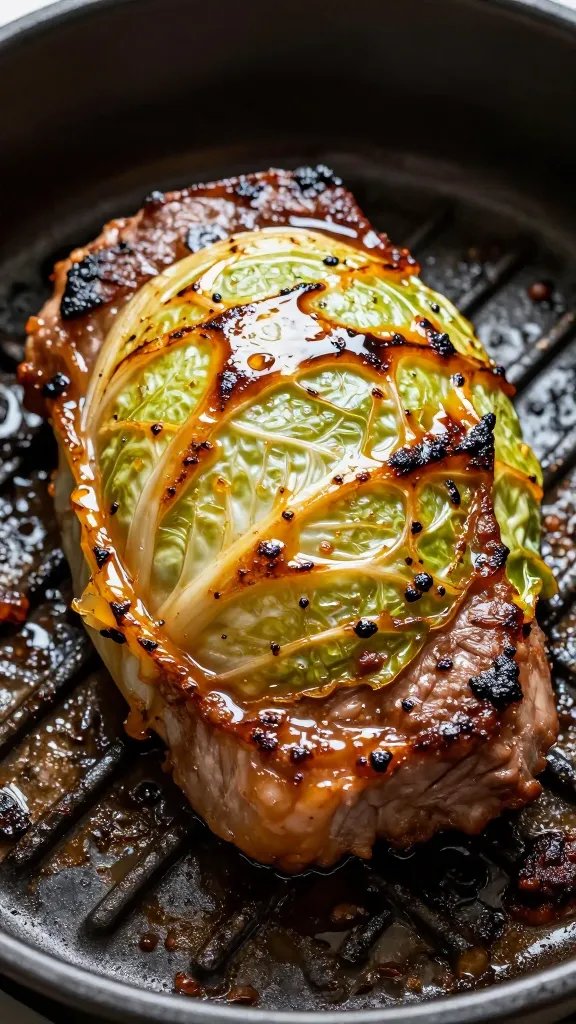
Cabbage steaks become a full meal with a few pantry extras. The sweetness of browned cabbage loves acid, crunch, and creamy elements.
- Acid: Squeeze ½ lemon over hot steaks or drizzle 1–2 teaspoons apple cider vinegar.
- Crunch: Toasted breadcrumbs, chopped almonds, or pumpkin seeds sprinkled right before serving.
- Creamy: Dollops of yogurt, sour cream, or crumbled feta; finish with olive oil and herbs.
- Heat: Red pepper flakes or a spoon of chili crisp.
- Protein toppers: Fried egg, crisp bacon bits, or flaked canned salmon.
Action today: Mix 2 tablespoons toasted breadcrumbs with 1 teaspoon olive oil and a pinch of salt; scatter over the plated steaks.
Common Mistakes And How I Fix Them
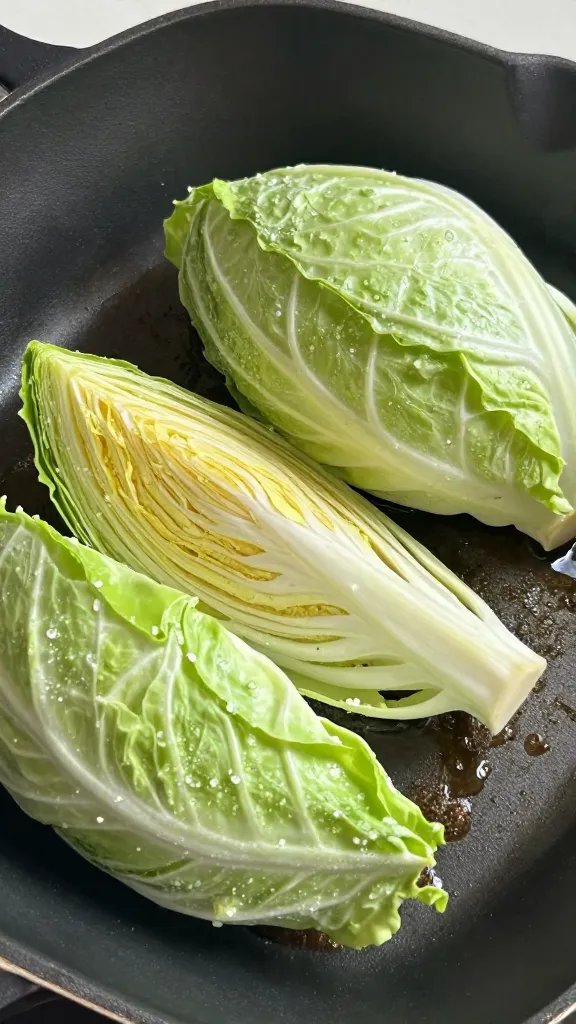
Signs You’re Steaming, Not Searing
- Pale, soft surfaces with no browning
- Water pooling on the pan
- Sulfur smell before the cabbage is tender
Step-by-Step Fixes
- Dry first: Pat steaks with paper towels. Moisture blocks browning.
- Preheat pan: Hot metal gives instant color and reduces sticking.
- Space out: Leave at least 1 inch between steaks on the pan.
- Use enough oil: Light, even coat on both sides — about 2–3 tablespoons total per pan.
- Finish with butter: Add butter at the end, not the start, to prevent burning.
Action today: If your cabbage smells strong and looks pale at 10 minutes, raise oven to 475°F and extend time by 5 minutes to drive off moisture and jumpstart browning.
Make-Ahead, Storage, And Reheating Without Sog
Roast the steaks up to 2 days ahead without the butter–herb finish. Cool, then refrigerate in a single layer covered loosely with foil or a vented container.
Reheat on a lightly oiled sheet pan at 425°F for 10–12 minutes to re-crisp. Add the butter–herb mixture during the last 3 minutes or right after reheating.
Action today: If reheating from chilled, flip halfway through to restore browning on both sides.
Frequently Asked Questions
How thick should I cut cabbage steaks so they don’t fall apart?
Cut 1 to 1¼ inches thick and keep a bit of the core attached to each steak. That thickness balances structural integrity with tenderness by the time the surface browns. If your knife struggles, halve the head first for a flat base, then slice.
Do I have to use butter, or can I make it dairy-free?
You can finish with olive oil instead of butter. Warm 3 tablespoons olive oil with chopped herbs and a small grated garlic clove to bloom the flavors, then spoon over hot steaks. Add a squeeze of lemon to replace butter’s richness with brightness.
Why do my cabbage steaks taste bitter?
Bitterness comes from under-browning or old cabbage. Get the pan and oven hot so sugars caramelize into sweet, nutty flavors. Finish with acid — lemon juice or 1–2 teaspoons vinegar — to balance any lingering bitterness.
Can I cook cabbage steaks on the grill?
Yes. Brush with oil and season, then grill over medium-high direct heat 4–5 minutes per side to char. Move to indirect heat for another 6–10 minutes until tender, then finish with butter–herb off the grill.
What herbs pair best with cabbage and butter?
Parsley, dill, chives, thyme, and sage all work. Use soft herbs (parsley, dill, chives) fresh at the finish, and woody herbs (thyme, rosemary, sage) either minced very fine or lightly cooked in the melted butter. Add lemon zest or a splash of vinegar to brighten.
How do I keep the garlic from burning?
Add garlic to the melted butter off the heat or in the last 2–3 minutes of roasting. Raw minced garlic on the pan at 450°F burns and turns bitter. Grating it fine into the warm butter blooms flavor without scorching.
Conclusion
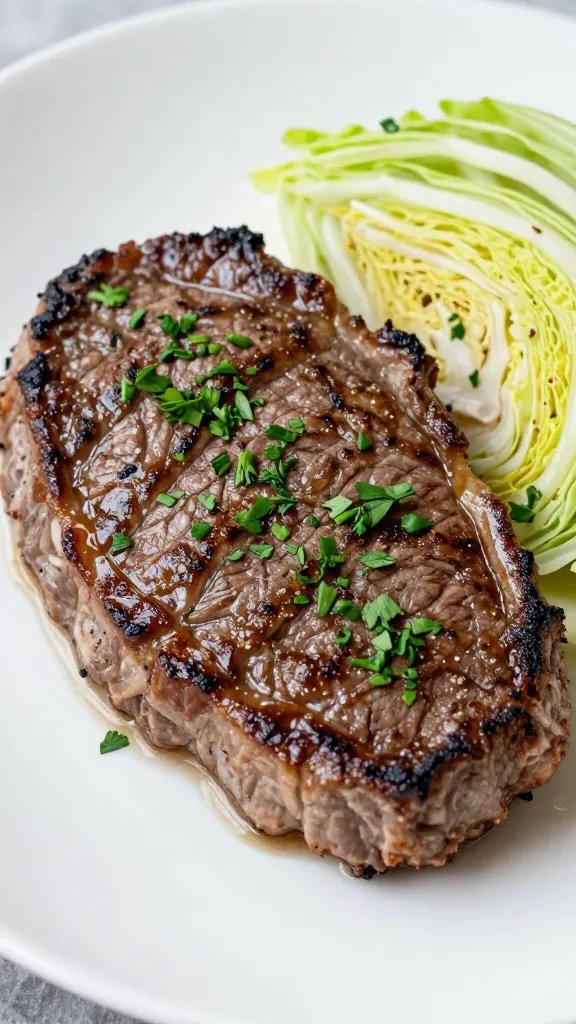
You now have a reliable path to crisp-edged, tender cabbage steaks with a butter–herb finish that actually tastes fresh. Preheat hard, cut thick, sear with oil, and finish with butter and herbs — that sequence never fails. Make a batch tonight, then try one new herb combo next time to lock in your favorite version.