Feta Dressing – Creamy, Tangy, and Ready in Minutes
Feta dressing is one of those sauces that instantly makes a simple salad feel special. It’s creamy, salty, and bright, with a tang that wakes up roasted vegetables, grain bowls, and even sandwiches. If you love feta cheese, this recipe puts it front and center in the best way.
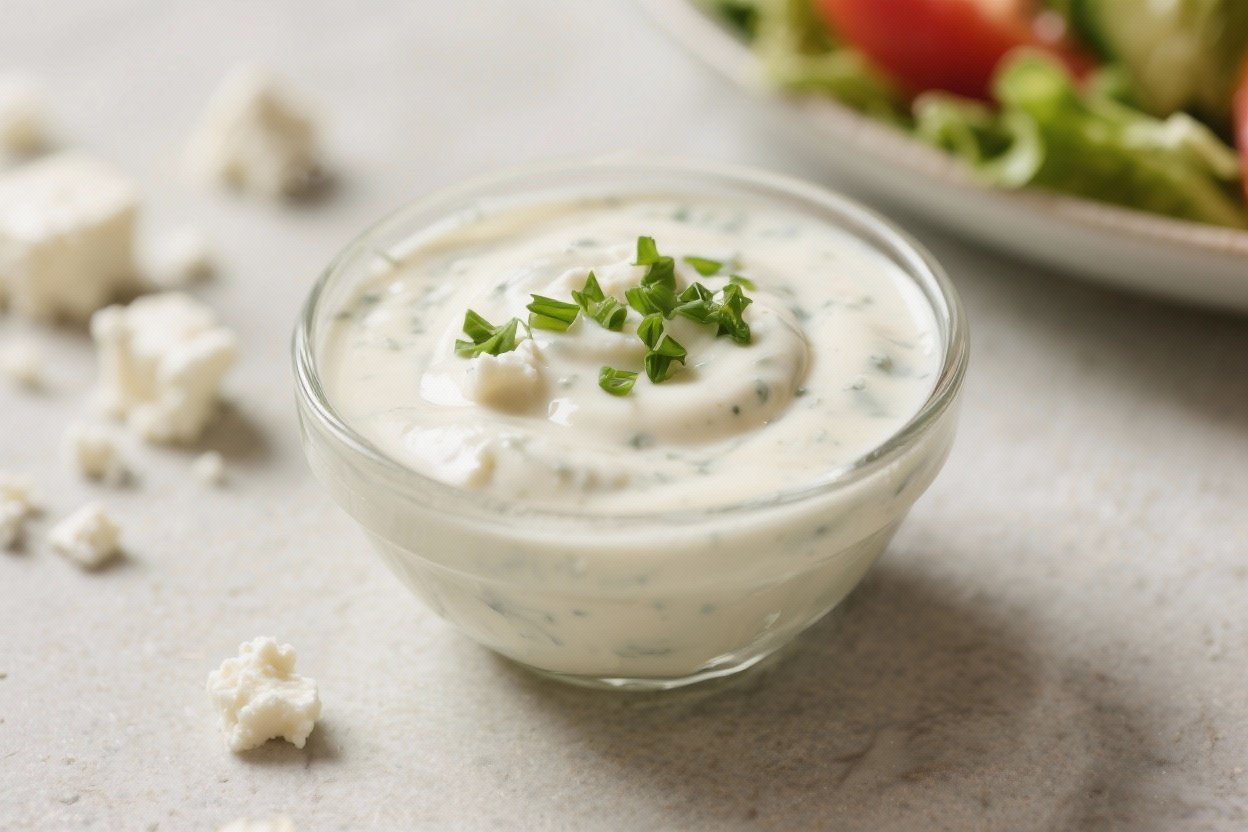
The texture lands somewhere between a thick vinaigrette and a light ranch, and you can easily tweak it to be chunkier or smoother. Best of all, it comes together in a blender or with a whisk in just a few minutes.
What Makes This Recipe So Good
- Big feta flavor: The cheese is the star, with lemon and garlic adding freshness and depth.
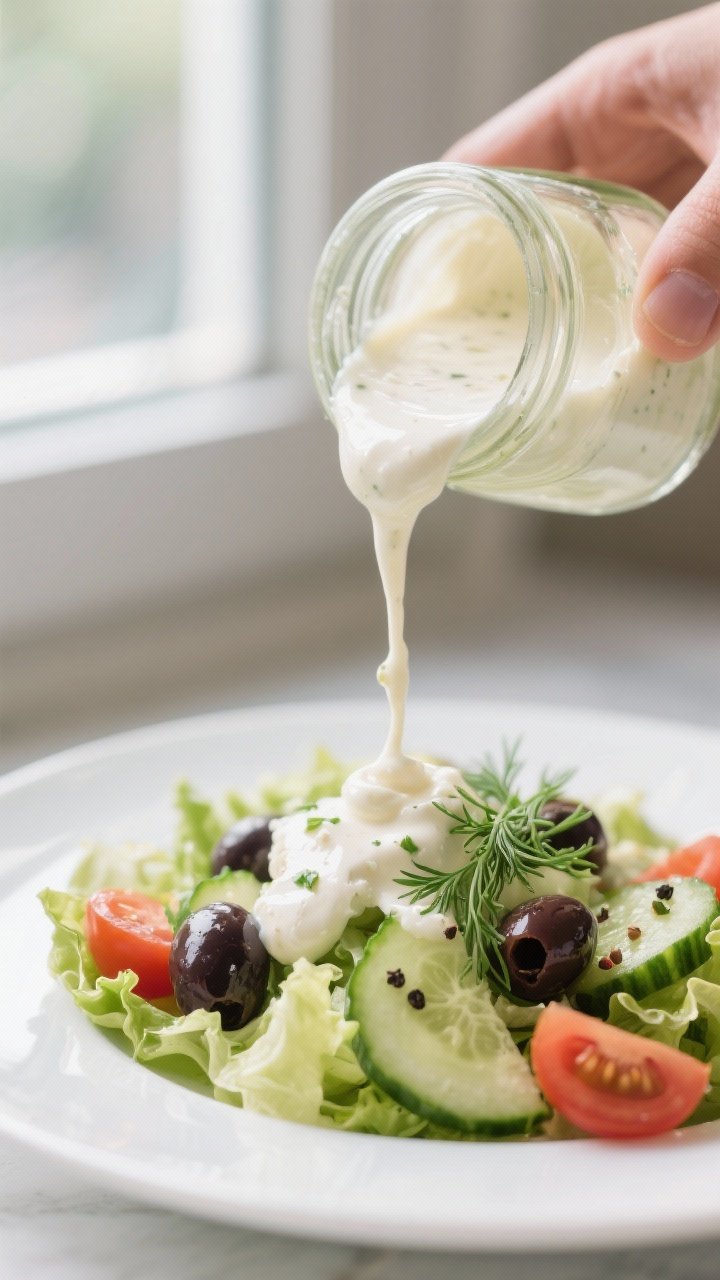
- Ultra versatile: Use it as a salad dressing, dip, spread, or sauce for grilled meats and veggies.
- Quick and easy: Most of the ingredients are pantry staples, and there’s no cooking involved.
- Customizable texture: Blend smooth for a pourable dressing or mash by hand for a chunkier dip.
- Better than store-bought: Clean ingredients and fresher taste without stabilizers or thickeners.
What You’ll Need
- Feta cheese: Choose a block of feta packed in brine for the best texture and flavor.
- Greek yogurt: Adds creaminess and tang. Use full-fat for a richer dressing.
- Extra-virgin olive oil: Helps emulsify and smooth the texture.
- Fresh lemon juice: Brightens the dressing and balances the saltiness.
- Red wine vinegar: A touch of acidity for classic Mediterranean flavor.
- Garlic: One small clove goes a long way.
Fresh is best.
- Dijon mustard: Subtle heat and helps hold the dressing together.
- Honey: A tiny bit rounds out the tang and salt.
- Fresh dill or oregano: Dill brings brightness; oregano adds a more savory note. Use one or both.
- Salt and black pepper: Season to taste; remember feta is salty.
- Water or milk: Optional, for thinning the dressing to your preferred consistency.
How to Make It
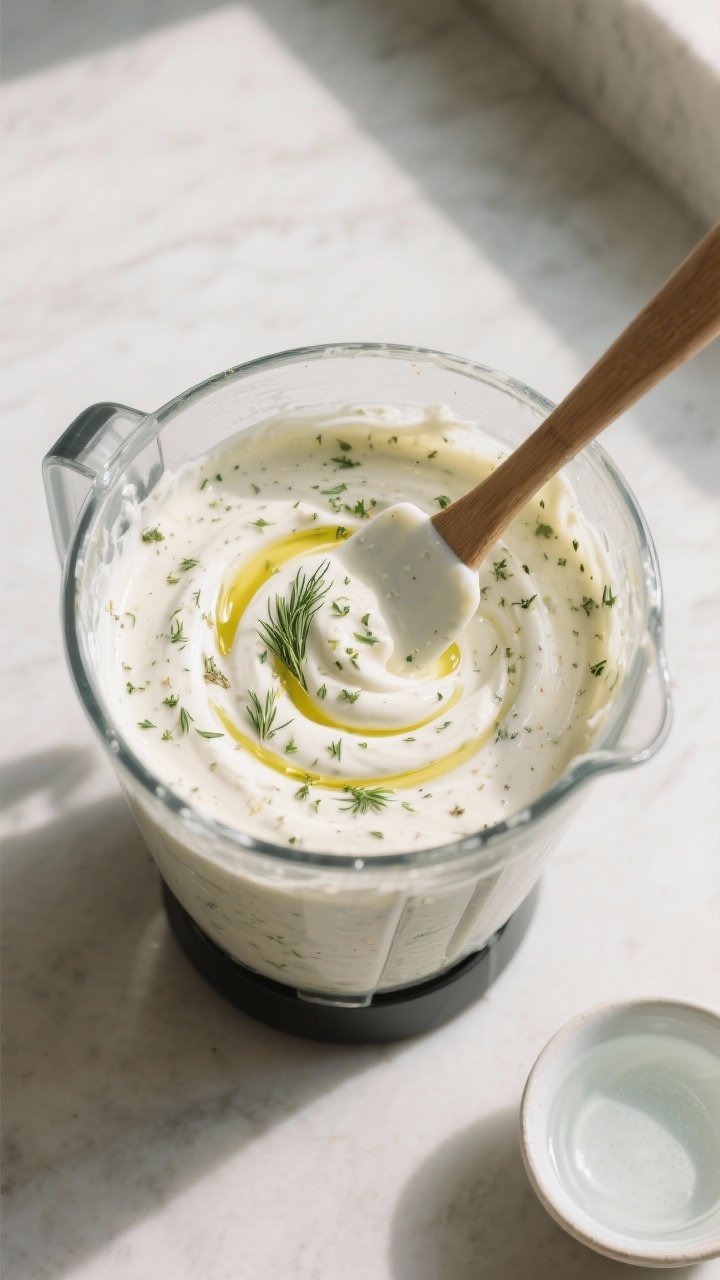
- Prep the feta: Drain the brine and pat the feta dry. Crumble it into medium pieces.
This helps it blend smoothly.
- Blend the base: In a blender or food processor, add feta, Greek yogurt, olive oil, lemon juice, red wine vinegar, garlic, Dijon, and honey.
- Season: Add a pinch of salt and several grinds of black pepper. Start light on the salt because feta is already salty.
- Blend until smooth: Process for 20–30 seconds, scraping down the sides if needed. If it’s too thick, add 1–2 tablespoons of water or milk and blend again.
- Add herbs: Pulse in chopped dill or oregano until just combined.
You want green flecks, not a green sauce.
- Taste and adjust: Add more lemon for brightness, honey for balance, or pepper for a little heat. Thin further if you prefer a pourable dressing.
- Rest briefly: Let the dressing sit for 10 minutes in the fridge so the flavors meld. Then serve.
How to Store
- Refrigerator: Store in a sealed jar or container for up to 5–7 days.
Stir or shake before using.
- Freezer: Not ideal; the dairy can separate and become grainy. Make only what you’ll use within a week.
- Make ahead: The flavor improves after a few hours. If it thickens in the fridge, whisk in a teaspoon or two of water or lemon juice.
Health Benefits
- Protein and calcium: Feta and Greek yogurt offer protein for satiety and calcium for bone health.
- Probiotics: Good-quality Greek yogurt contains live cultures that support gut health.
- Healthy fats: Extra-virgin olive oil provides heart-healthy monounsaturated fats and antioxidants.
- Lighter than creamy dressings: Using yogurt instead of mayonnaise or heavy cream keeps calories in check while staying creamy.
- Bold flavor, smaller portion: Because the dressing is so flavorful, you don’t need much to make a dish satisfying.
Common Mistakes to Avoid
- Over-salting: Feta can be very salty.
Always taste before adding extra salt.
- Using pre-crumbled feta: It’s drier and less creamy. Blocks in brine blend better and taste fresher.
- Too much garlic: Raw garlic is potent. Start with a small clove and adjust to taste.
- Skipping acidity: Lemon and vinegar keep the dressing bright.
Without them, it can taste flat and heavy.
- Over-blending herbs: Blend the base first, then pulse in herbs to avoid a muddy color.
- Wrong consistency: If it’s too thick, add water, milk, or more lemon juice a little at a time.
Recipe Variations
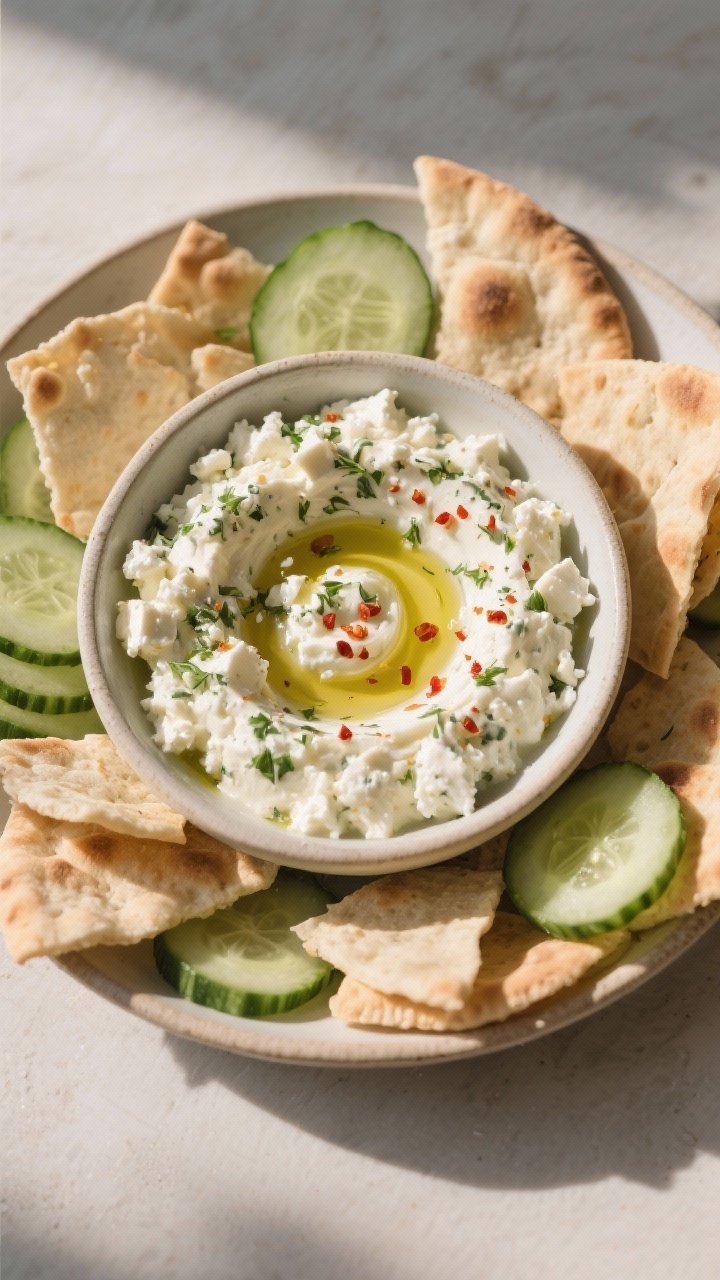
- Chunky Feta Dip: Mash the feta with a fork, stir in yogurt and oil by hand, and keep larger feta pieces. Great with pita chips and cucumbers.
- Avocado Feta Dressing: Add half a ripe avocado and more lemon juice. Extra creamy, with a mild green flavor.
- Spicy Feta: Blend in a pinch of red pepper flakes or a small roasted jalapeño.
Adjust honey to balance the heat.
- Herb-Loaded: Use a mix of dill, parsley, and mint. This is amazing on grilled chicken or watermelon salad.
- Tahini Twist: Add a tablespoon of tahini for a nutty note and thicker body. Thin with water as needed.
- Lemon-Mustard: Increase Dijon to 2 teaspoons and add extra lemon zest for a sharper, zippier flavor.
- Lactose-Light: Use lactose-free Greek-style yogurt or swap yogurt for silken tofu plus extra lemon to keep the tang.
FAQ
Can I make this without a blender?
Yes.
Crumble the feta very finely and mash it with the back of a fork. Whisk in the yogurt, oil, lemon juice, vinegar, garlic (grated), Dijon, and honey until mostly smooth. It will be a bit chunkier but still delicious.
What kind of feta works best?
A block of sheep’s milk feta in brine offers the creamiest texture and most robust flavor.
Cow’s milk feta is milder and crumbles more easily, but it can be drier. If possible, avoid pre-crumbled feta, which often contains anti-caking agents.
How do I make it thinner for salads?
Add cold water, milk, or more lemon juice a teaspoon at a time while whisking or blending. Stop when it pours easily but still clings lightly to a spoon.
Is this dressing gluten-free?
Yes, the ingredients are naturally gluten-free.
Just check labels on Dijon mustard and yogurt to be safe, especially if you’re highly sensitive.
Can I use dried herbs instead of fresh?
You can. Use about one-third the amount if substituting dried for fresh. Let the dressing rest at least 15 minutes so the dried herbs soften and release their flavor.
How long does it last?
Stored in an airtight container in the fridge, it keeps for 5–7 days.
If separation occurs, just stir or shake to recombine.
What should I serve it with?
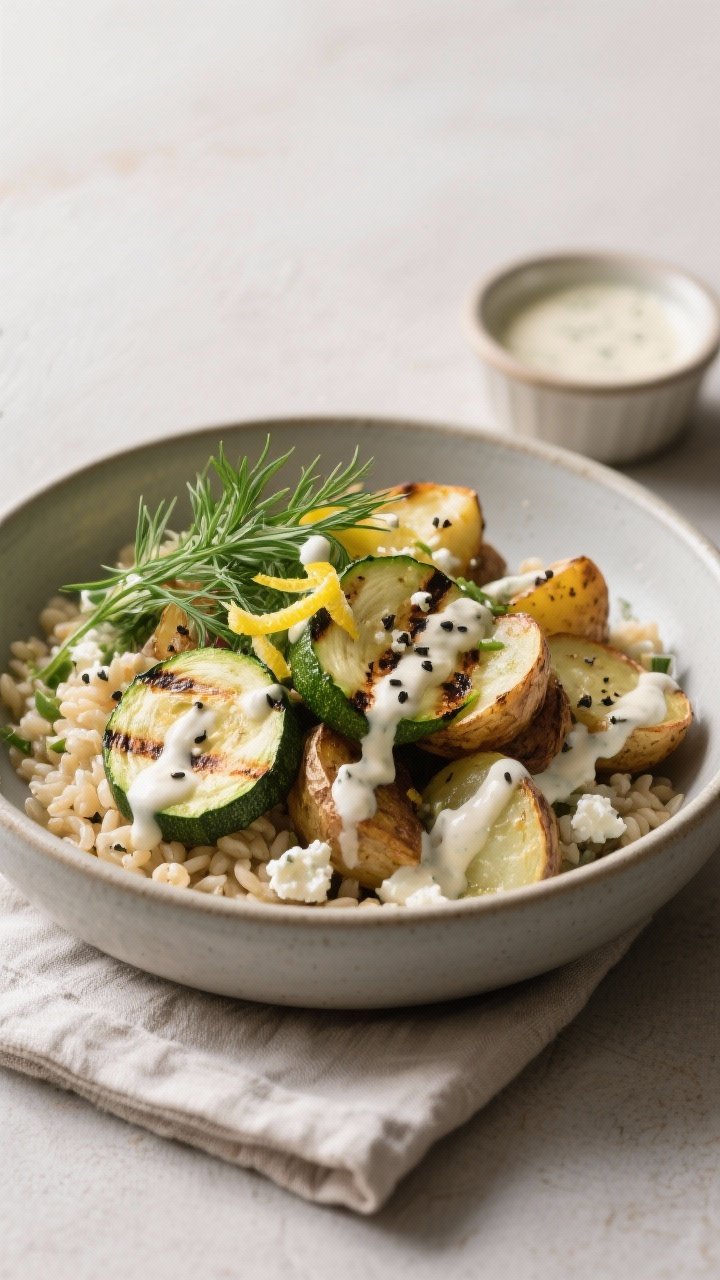
It’s great on Greek salads, tomato-cucumber bowls, roasted potatoes, grilled zucchini, grain bowls, chicken wraps, falafel, and as a dip for crudités. It also makes a flavorful spread for burgers or pita sandwiches.
How can I reduce the saltiness?
Use a milder feta or rinse your feta briefly under cold water before crumbling. You can also increase the yogurt, lemon juice, or honey slightly to balance the salt.
Final Thoughts
Feta dressing is simple, bold, and endlessly useful.
With a handful of everyday ingredients, you can turn a basic salad or bowl into something memorable. Keep a jar in the fridge for quick weeknight meals, and adjust the texture and flavors to match what you’re cooking. Once you taste how fresh and tangy it is, store-bought dressing won’t stand a chance.
Ingredients
Method
- Prep the feta: Drain the brine and pat the feta dry. Crumble it into medium pieces. This helps it blend smoothly.
- Blend the base: In a blender or food processor, add feta, Greek yogurt, olive oil, lemon juice, red wine vinegar, garlic, Dijon, and honey.
- Season: Add a pinch of salt and several grinds of black pepper. Start light on the salt because feta is already salty.
- Blend until smooth: Process for 20–30 seconds, scraping down the sides if needed. If it’s too thick, add 1–2 tablespoons of water or milk and blend again.
- Add herbs: Pulse in chopped dill or oregano until just combined. You want green flecks, not a green sauce.
- Taste and adjust: Add more lemon for brightness, honey for balance, or pepper for a little heat. Thin further if you prefer a pourable dressing.
- Rest briefly: Let the dressing sit for 10 minutes in the fridge so the flavors meld. Then serve.
Printable Recipe Card
Want just the essential recipe details without scrolling through the article? Get our printable recipe card with just the ingredients and instructions.