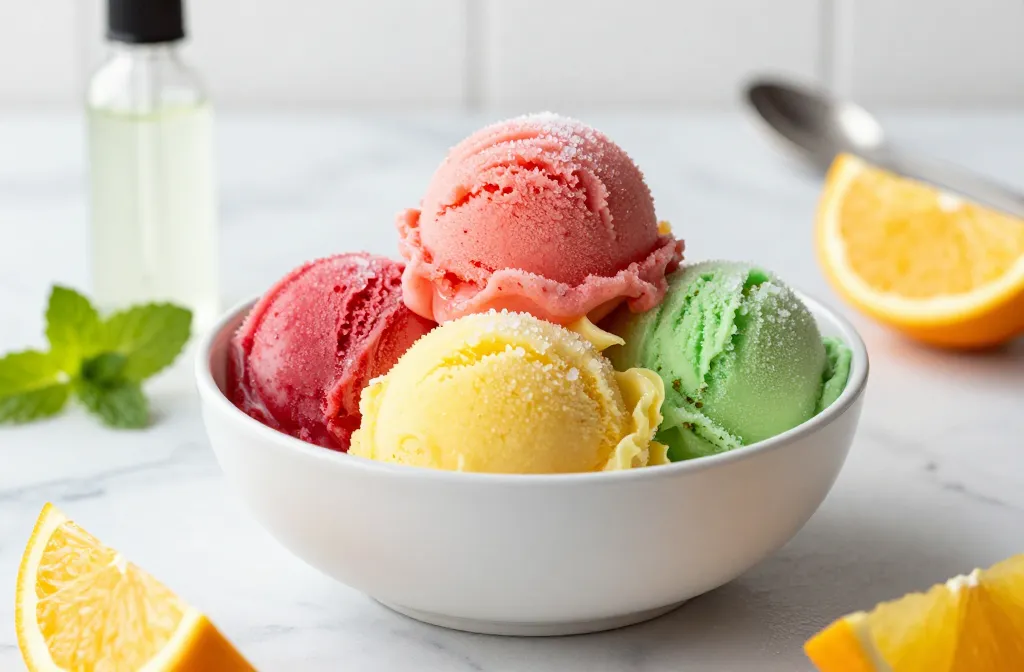
I love a tart, icy scoop after dinner, but every store-bought pint in my freezer used to freeze into a brick or hide sugar under fancy names. After a dozen test batches in a small apartment kitchen, I dialed in keto sorbet that stays scoopable, tastes bright, and doesn’t wreck macros. In this guide, I’ll show you exactly how to get smooth texture, bold fruit flavor, and clean scoops using ingredients from a regular supermarket. You’ll learn what to buy, how to balance sweetness and acidity, and how to keep ice crystals from ruining tomorrow’s leftovers.
Scoopable Keto Sorbet
Ingredients
Equipment
Method
- Warm 1/2 cup water until hot, whisk in the allulose and erythritol until dissolved, and cool to room temperature.
- Blend the fruit puree, cooled syrup, citrus juice, salt, and glycerin. Taste and adjust until bright but not puckering.
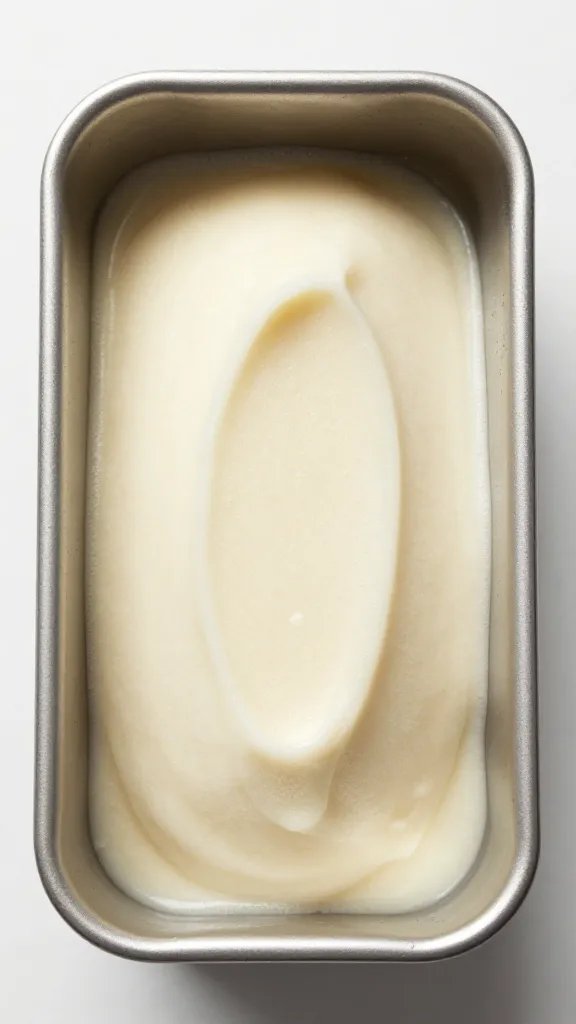
- Pour into a shallow metal pan. Freeze 45 minutes, then scrape with a fork. Repeat every 30 to 45 minutes for 3 to 4 rounds until thick and slushy.
- Pack into a lidded container and freeze 3 to 4 hours. Rest 5 minutes before scooping.
Notes
The Three Levers That Make Keto Sorbet Work
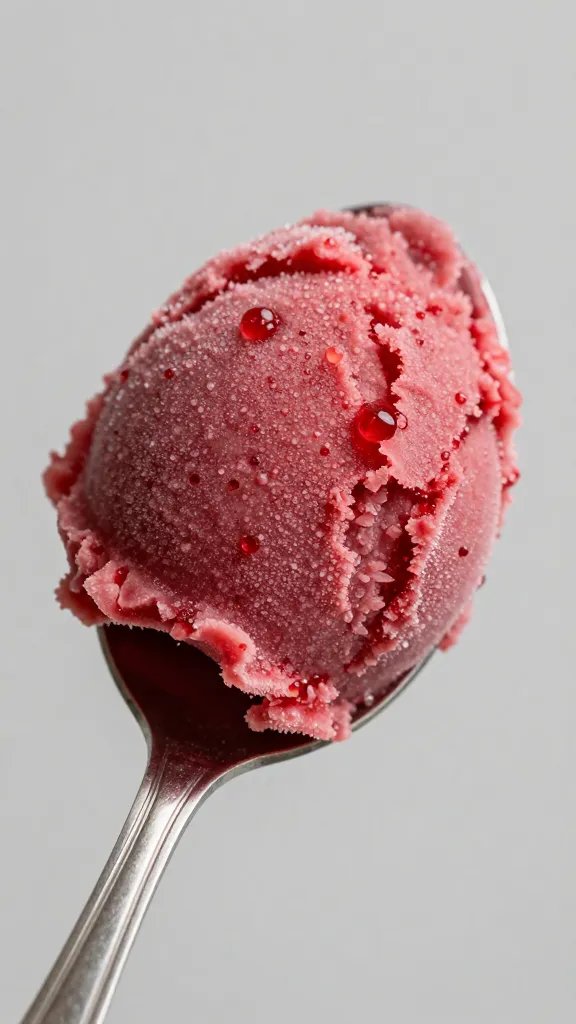
Keto sorbet needs the right balance of sweetness, acidity, and freezing point depression. Without sugar, you must replace both sweetness and the way sugar keeps ice small and scoopable.
I rely on a blend of sweeteners for clean taste and texture: allulose for softness, a pinch of erythritol or monk fruit/stevia for lift, and a small dose of vegetable glycerin or vodka to lower the freeze point. Lemon or lime keeps flavors vivid and cuts any sweetener aftertaste.
Action today: Pick up allulose, a lemon, and a small bottle of vegetable glycerin from a grocery or pharmacy aisle — these three unlock reliable, scoopable results.
Base Formula You Can Trust (No Ice Cream Maker Needed)
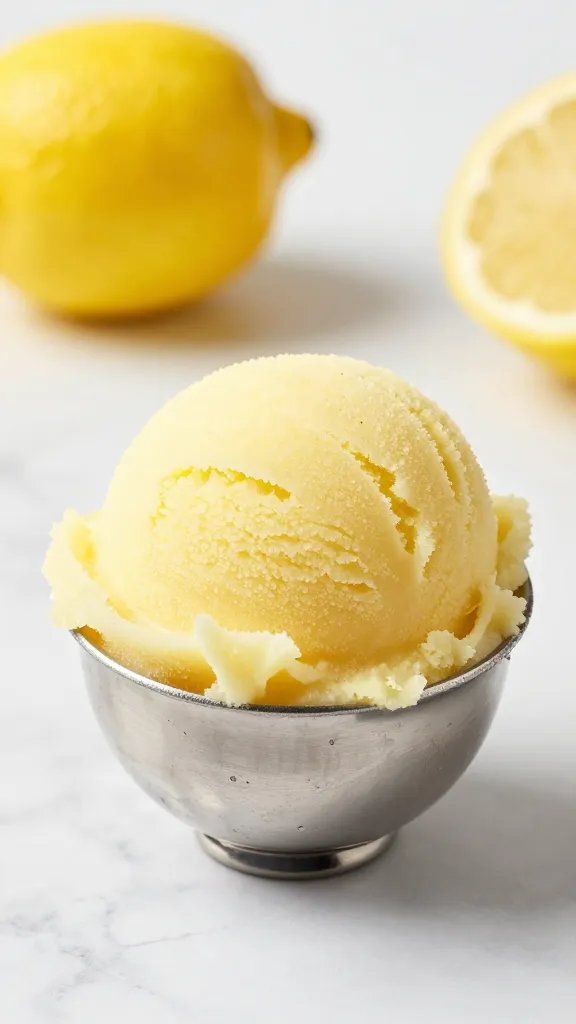
This is my core base for 1 quart of sorbet, perfect for berry, citrus, or stone-fruit flavors. It stays scoopable for at least 5 days.
- Fruit puree: 3 cups strained puree (see fruit notes below)
- Allulose: 2/3 cup (about 130 g)
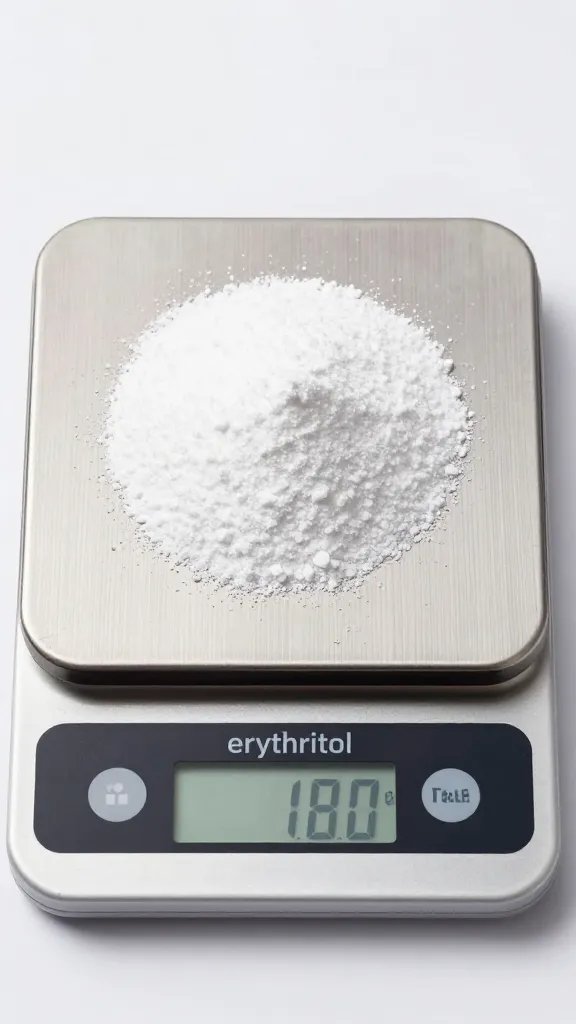
- Erythritol: 2 tablespoons (optional but helps perceived sweetness)
- Lemon or lime juice: 2–3 tablespoons, to taste
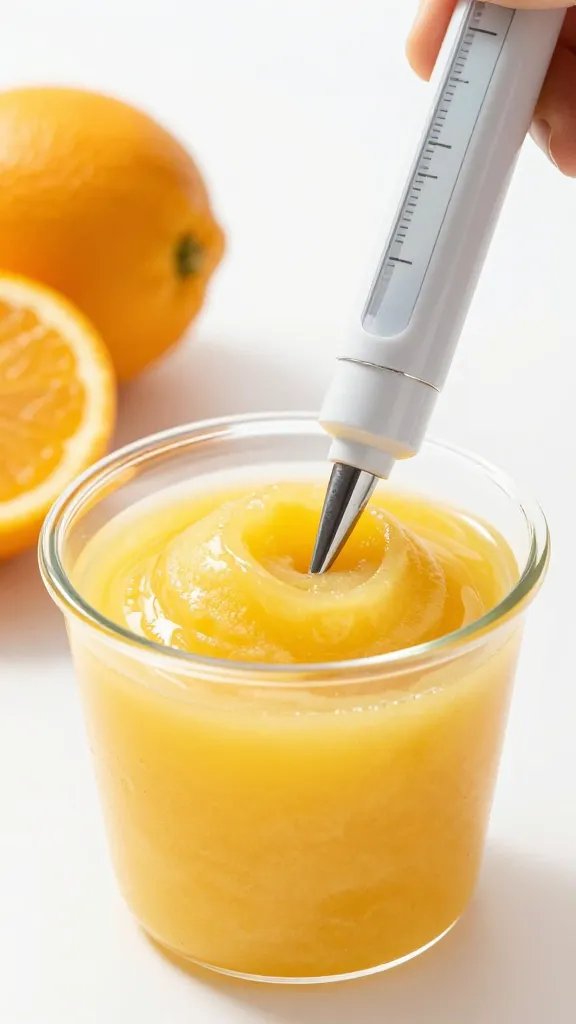
- Vegetable glycerin: 1 tablespoon (or 1–1.5 tablespoons vodka)
- Pinch of salt for flavor balance
- Water: 1/2–3/4 cup to thin thick purees
Step-by-Step: Blender and Freezer Method
- Warm 1/2 cup water in a saucepan until hot to the touch, not boiling. Whisk in allulose and erythritol until dissolved. Cool to room temp.
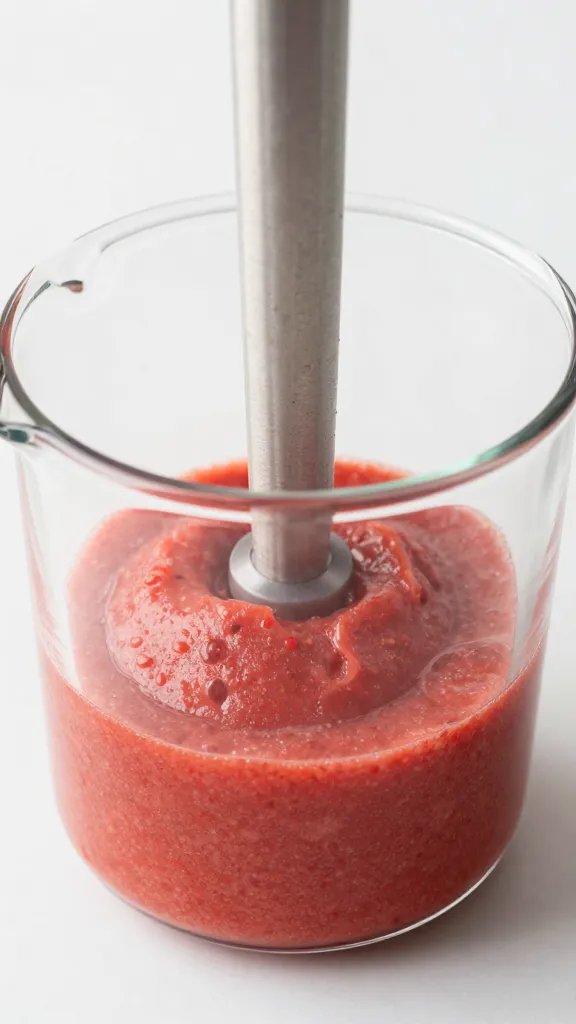
- Blend fruit puree, cooled syrup, lemon juice, salt, and glycerin. Taste — adjust acidity and sweetness until bright but not puckering.
- Pour into a shallow metal baking pan. Freeze 45 minutes, then scrape and stir with a fork. Repeat every 30–45 minutes for 3–4 rounds until thick and slushy.
- Pack into a lidded container. Freeze 3–4 hours to set. Rest 5 minutes at room temp before scooping.
Takeaway: Use the base formula and the shallow-pan “scrape-and-stir” method for consistent texture without special equipment.
Choosing Fruit That Actually Works on Keto
Not all fruits fit keto goals. I reach for lower-sugar, high-flavor options and stretch them with citrus and water to keep carbs in check.
- Berries: Strawberries, raspberries, blackberries, and blueberries blend and strain well. Raspberries give huge flavor per carb.
- Lemon/Lime: Ideal for granita-style scoops with giant flavor and very low carbs.
- Stone fruit (strict moderation): Small amounts of plum or apricot plus berries give a rounded flavor but watch portions.
Fruit Prep That Improves Texture
- Strain seeds: Press berry puree through a fine strainer to remove seeds that make sorbet icy.
- Reduce watery fruit: Simmer strawberries 5–8 minutes to concentrate flavor, then cool before blending.
Action today: Buy 2 pounds of raspberries and one lemon — you’ll get about 3 cups of vivid, low-carb puree after straining.
Sweeteners That Keep It Scoopable (And Taste Good)
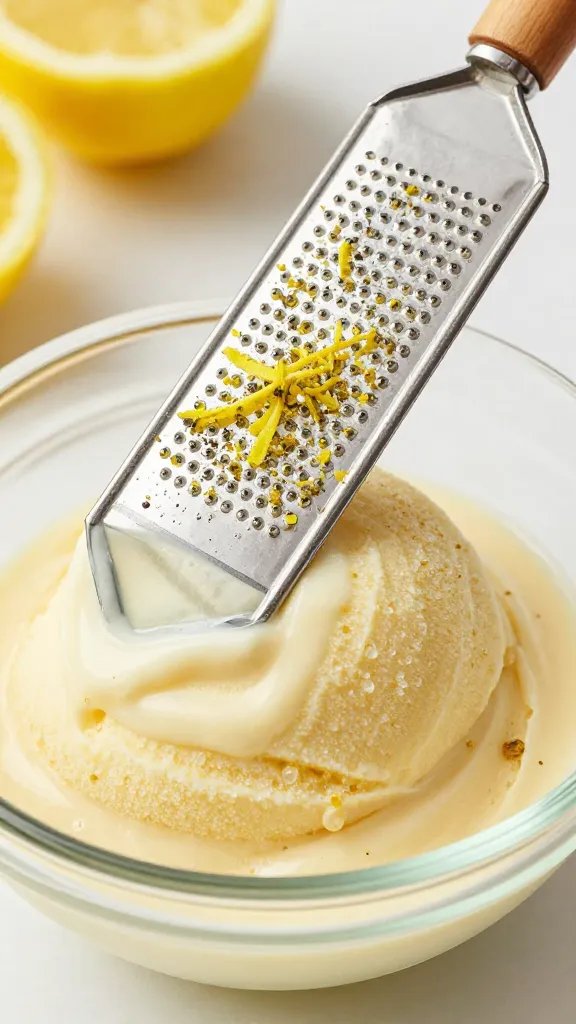
Allulose is the workhorse. It dissolves cleanly, tastes like sugar, and lowers the freeze point so the sorbet stays soft. Erythritol tastes cool and can recrystallize if you use too much; I cap it at 2 tablespoons per quart.
A few drops of monk fruit or liquid stevia fine-tunes sweetness without affecting texture. Vegetable glycerin adds body and softness with no alcohol taste. If you don’t want glycerin, use vodka — you won’t taste it, but it keeps scoops smooth.
Takeaway: Use allulose as the main sweetener, then adjust with a few drops of monk fruit or stevia for perfect sweetness.
Acidity, Salt, And Stabilizers: Small Tweaks, Big Payoff
Acid: Fruit tastes flat when frozen. I add 2 tablespoons lemon or lime juice, then another teaspoon if the fruit is very sweet. You want the mix to taste slightly more tart than you’d drink; freezing blunts sharpness.
Salt: A tiny pinch unlocks fruit flavor and reduces any sweetener edge. Don’t skip it.
Stabilizers (optional but helpful): 1/4 teaspoon guar gum or xanthan gum prevents ice crystals. Sprinkle while blending so it doesn’t clump. Never overdo gums — you’ll get slime instead of silk.
Action today: Whisk a pinch of salt and 2 tablespoons lemon juice into your puree before freezing — the flavor pops and the sweetness tastes cleaner.
Troubleshooting Texture, Sweetness, And Refreezing
If your sorbet freezes hard, it needs more freeze-point depression or was under-scraped during freezing. If it tastes dull, you need acid, not more sweetener.
Warning Signs And Fixes
- Brick-hard after overnight: Stir in 1 extra tablespoon glycerin or 2 teaspoons vodka. Next batch: increase allulose by 1–2 tablespoons.
- Crunchy or sandy mouthfeel: Too much erythritol or undissolved crystals. Warm a portion gently and re-blend; in future, dissolve sweeteners in hot water first.
- Flat flavor: Add 1–2 teaspoons lemon juice and a pinch of salt. Sweetener is not the fix here.
- Stringy texture: Overused gums. Dilute with 2–4 tablespoons water and re-freeze, scraping more often.
Takeaway: For hardness, add glycerin or vodka; for dull flavor, add lemon and salt — not more sweetener.
Portions, Macros, And Storage That Fit Real Life
With berries and this sweetener mix, I land around 4–7 net carbs per 1/2-cup scoop, depending on the fruit and how much water I add. I portion into small containers so I don’t “accidentally” eat half the quart after dinner.
Store the sorbet in a shallow, airtight container and press plastic wrap on the surface to limit frost. For best scoops, rest the container on the counter 5 minutes or run the scoop under hot water and shake off excess before dipping.
Action today: Freeze your sorbet in two small containers instead of one big one — the thinner layer softens faster and scoops cleaner on weeknights.
Flavor Variations You’ll Actually Make
- Raspberry-Lime: 3 cups strained raspberries, 2/3 cup allulose, 2 tbsp erythritol, 3 tbsp lime juice, 1 tbsp glycerin, pinch salt.
- Strawberry-Basil: Simmer strawberries 5 minutes, cool, blend with 4–6 basil leaves. Strain, then finish with base formula.
- Lemon “Granita” Scoop: 1 cup lemon juice, 2 cups water, 2/3 cup allulose, 1 tbsp glycerin, pinch salt; scrape-and-stir method for icy, scoopable shards.
- Blackberry-Vanilla: Add 1 teaspoon vanilla extract to the base; strain well for silkiness.
Takeaway: Start with one berry plus citrus; add a single herb or vanilla for complexity without extra carbs.
Frequently Asked Questions
Can I make keto sorbet without allulose?
Yes, but texture suffers. Allulose keeps ice crystals small and the sorbet scoopable. If you skip it, use 1 tablespoon glycerin and 1–1.5 tablespoons vodka per quart, and scrape more often during freezing. Expect a firmer set and shorter freezer life before it turns icy.
How do I measure sweetness if I don’t use a scale?
Use volume measures and taste the base at room temperature. It should taste slightly sweeter and more tart than you want in the final scoop, because freezing mutes both. If it tastes “just right” before freezing, add 1–2 teaspoons lemon juice and 1–2 teaspoons allulose. Write down what worked so you can repeat it.
My sorbet is too soft and slushy — what went wrong?
You have too much freeze-point depression from glycerin, vodka, or water. Next time, drop glycerin by 1 teaspoon and reduce added water by 2–3 tablespoons. For the current batch, freeze in a colder spot (back of the freezer) and give it an extra hour; it will firm enough to scoop cleanly.
Do I need an ice cream maker for good texture?
No. The shallow pan and scrape-and-stir method works well if you stick to the schedule. Stir every 30–45 minutes for the first 2–3 hours to break ice crystals as they form. If you own a basic ice cream maker, churn 15–20 minutes and then harden in the freezer for best results.
Is vegetable glycerin keto-friendly and safe?
Vegetable glycerin is commonly used in keto baking and ice creams to soften texture. It has minimal impact on blood sugar for most people when used in small amounts like 1 tablespoon per quart. Buy food-grade glycerin from the pharmacy or baking aisle and use sparingly. If you prefer to avoid it, substitute vodka.
Conclusion
You don’t need specialty gear or lab-grade additives to make keto sorbet that scoops like the real thing. Start with the base formula, lean on allulose and a little acid, and use the shallow-pan method once to see how fast it comes together. Today, pick a berry, grab a lemon, and make your first quart — tomorrow you’ll know exactly how you like your sweetness and tartness balanced. Once you taste it, you’ll stop rolling the dice on store-bought “keto” pints for good.
Printable Recipe Card
Want just the essential recipe details without scrolling through the article? Get our printable recipe card with just the ingredients and instructions.