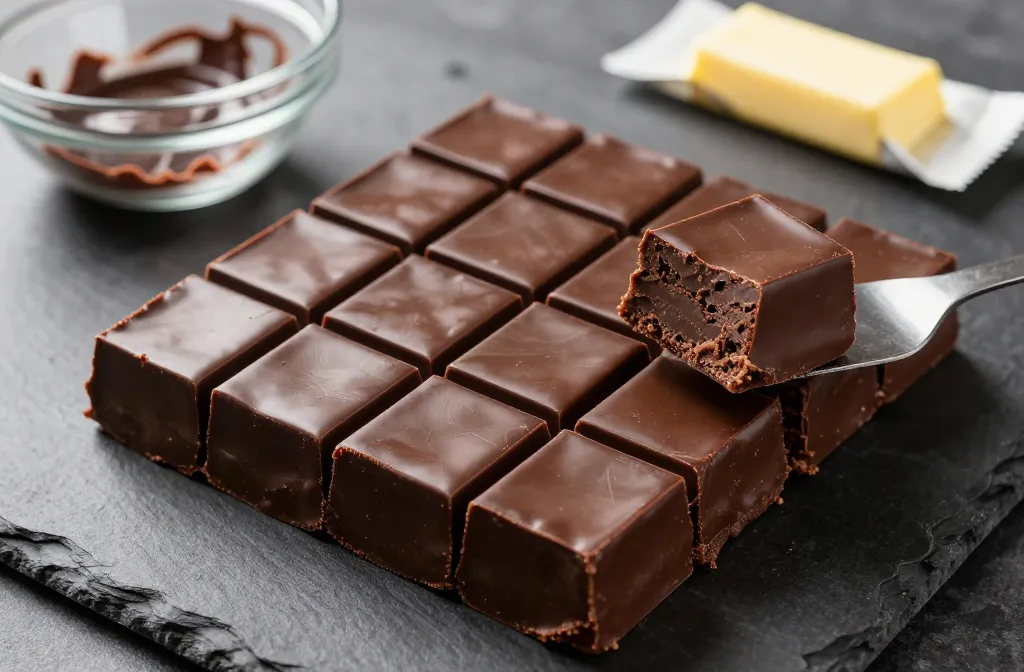
I started making microwave keto fudge when I was tired of grainy “fat bombs” and a sink full of dishes. If your fudge separates, stays soft, or tastes like straight cocoa, I’ve been there — and I fixed it with a few small, repeatable tweaks. In this guide I’ll show you the exact ratios, tools you already own, and short microwave bursts that give you glossy, sliceable squares. You’ll learn how to avoid crystallized sweeteners, greasy tops, and soft centers — and get reliable results every time.
The Ratio That Makes Keto Fudge Set Without Sugar
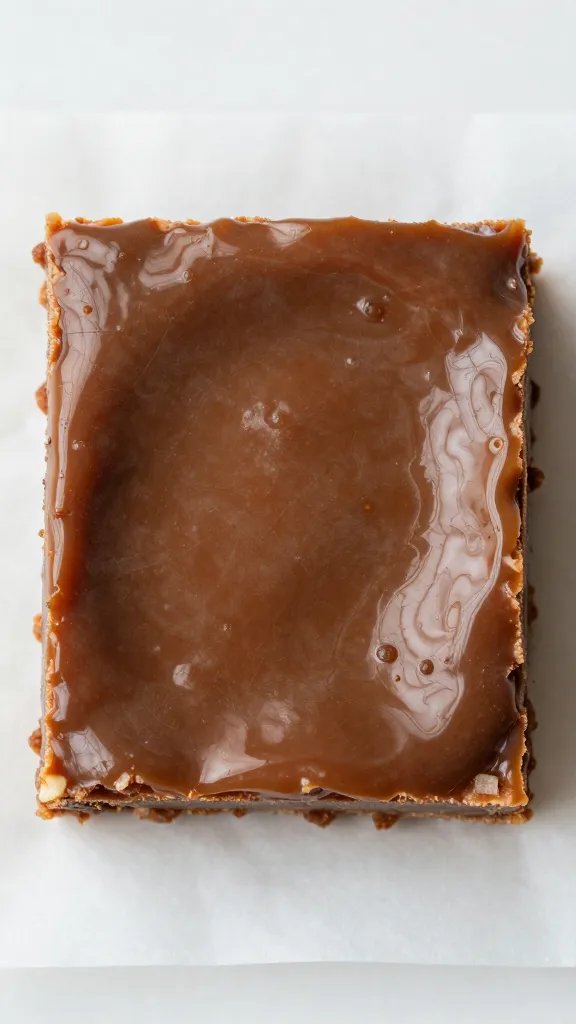
Traditional fudge relies on sugar to set; keto fudge needs fat plus a little protein and cocoa solids to lock it in. I use a 2:1:1 base by weight: fat (butter or coconut oil), cream cheese or heavy cream for structure, and unsweetened chocolate for snap. Granular sweeteners never build structure — they only sweeten — so the base has to do the setting.
Weighing gives consistency, but you can use cups. For an 8×8-inch pan: 1 cup butter, 8 oz cream cheese, 8 oz unsweetened baking chocolate, 1 cup powdered erythritol or allulose blend, 1 teaspoon vanilla, and a pinch of salt. The cream cheese prevents the “oily” layer you get from just butter and chocolate.
Action today: Pull 8 oz cream cheese out of the fridge now — room-temp cream cheese blends smoothly and prevents separation.
Microwave Technique: Short Bursts, Gentle Melts
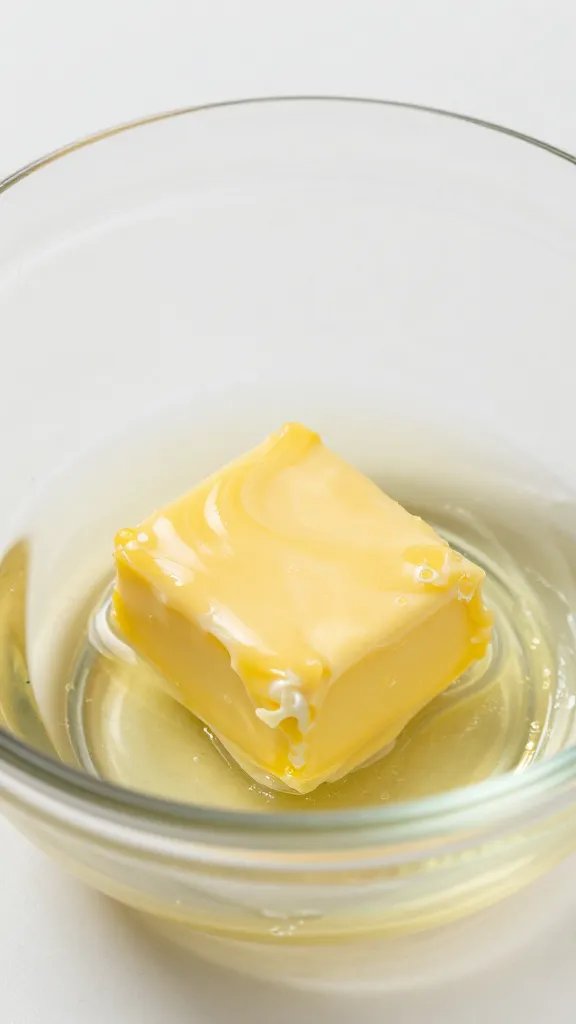
High heat splits cocoa butter from chocolate and breaks cream. I use 50% power, 20–30 second bursts, with stirring in between. The goal is just-melted, not hot.
- Cube 1 cup butter and 8 oz unsweetened chocolate into a large microwave-safe bowl. Microwave at 50% power for 30 seconds. Stir well. Repeat 2–3 times until mostly melted; let residual heat finish the job.
- Beat 8 oz softened cream cheese in a separate bowl until smooth. This prevents lumps later.
- Whisk the cream cheese into the warm chocolate-butter mixture until glossy.
- Sift in 1 cup powdered sweetener, 1 teaspoon vanilla, and a pinch of salt. Stir until fully dissolved. If thick, warm 10 more seconds at 50% power and stir again.
Warning Signs And Quick Fixes
- Oily sheen/pooling: You overheated. Whisk in 1–2 tablespoons heavy cream at room temp until it emulsifies again.
- Grainy texture: Your sweetener didn’t dissolve. Warm 10 seconds at 50% power and stir longer, or switch to powdered allulose/erythritol blend.
- Lumps: Cream cheese too cold. Press through a fine mesh strainer back into the bowl; whisk.
Action today: Change your microwave power to 50% before you start. That single step prevents most splits.
Sweeteners That Taste Like Fudge, Not Minty Sand
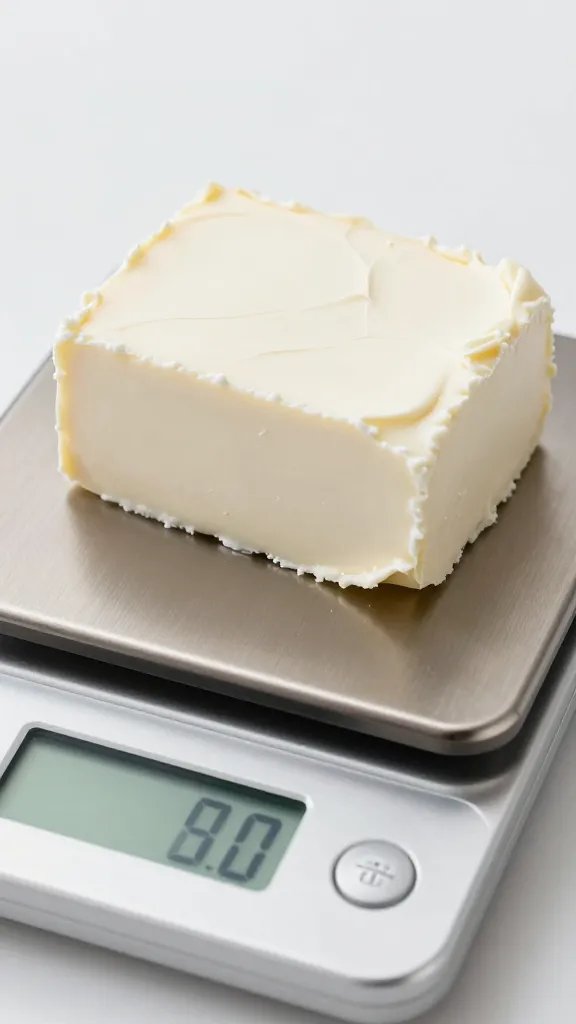
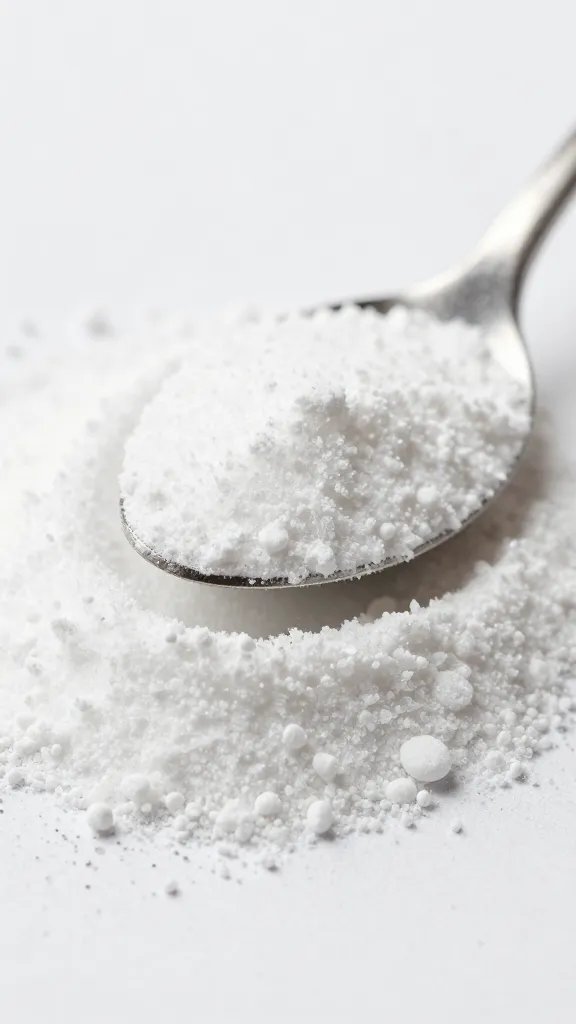
Granular erythritol stays gritty and cools the tongue. I use powdered allulose or a powdered erythritol–allulose blend for smoothness and clean sweetness. If you only have granular, blitz it in a blender for 20–30 seconds to powder it.
Avoid pure stevia or monk fruit drops as the only sweetener — they sweeten but don’t add bulk, which affects set. If you want liquid sweetness, pair a tablespoon of powdered bulk sweetener with a few drops of monk fruit to taste.
Action today: Run your sweetener between your fingers — if you feel crystals, powder it in a blender before using.
Flavor Add-Ins That Don’t Break Emulsion
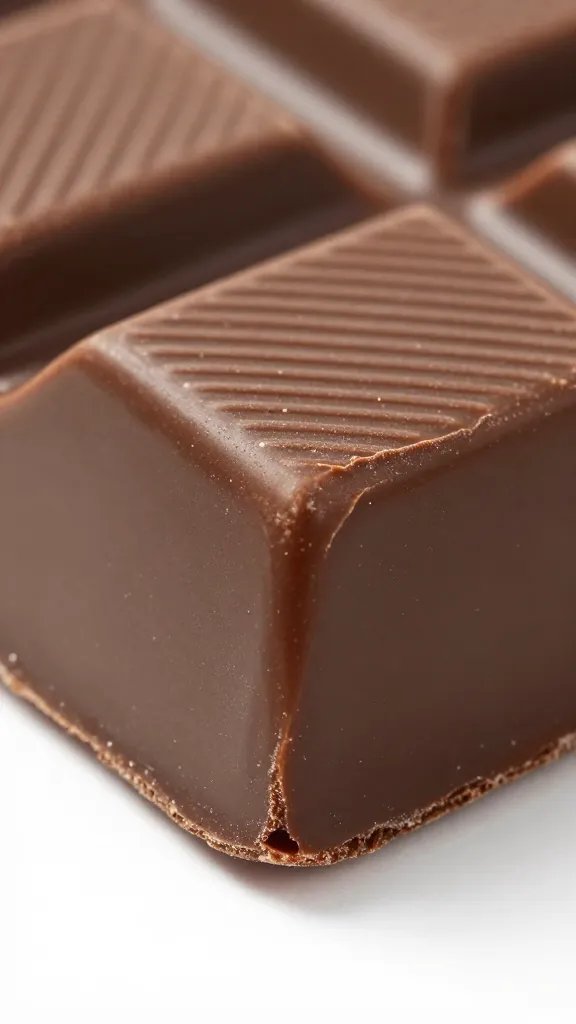
Water-based extracts can seize chocolate if you add too much. Stick to vanilla extract (1 teaspoon), peanut butter or almond butter (1/3 cup), or chopped nuts (1/2 cup) folded in at the end. For espresso flavor, dissolve 1 teaspoon instant espresso in 1 teaspoon hot cream before adding.
For mint, use 1/4 teaspoon peppermint extract only — more turns medicinal fast. For coconut, fold in 1/2 cup unsweetened shredded coconut and a pinch of extra salt.
Action today: If adding nut butter, stir it into the warm base before sweetener so it blends without streaks.
Pan, Lining, And Chill Time For Clean Slices
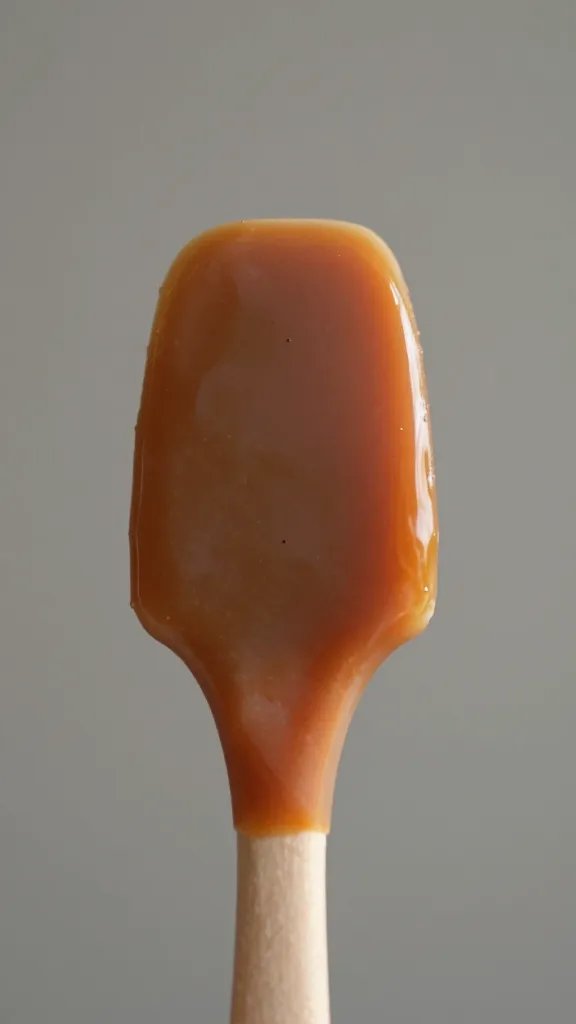
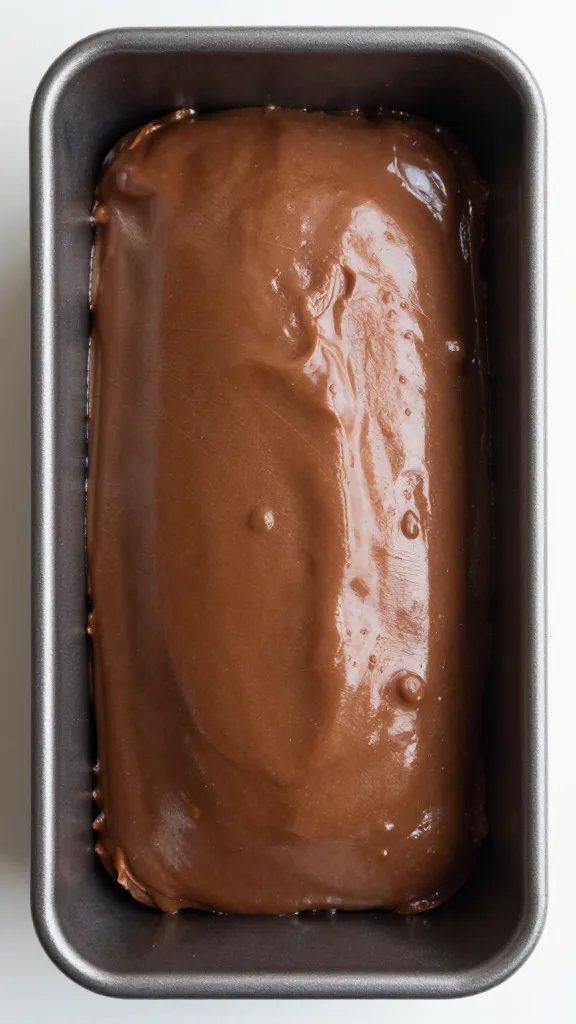
Use an 8×8-inch metal or glass pan lined with parchment that overhangs on two sides. Pour in the mixture, level with a spatula, and tap the pan twice on the counter to pop air bubbles. Sprinkle flaky salt on top if you like contrast.
Chill uncovered for 30 minutes, then cover and chill 1.5–2 hours until firm. Cut into 36 squares for small, satisfying portions. Store in the fridge for 2 weeks or the freezer for 2 months.
Action today: Line your pan before you melt anything — it prevents scrambling with sticky fudge later.
Macros And Portion Control That Feel Generous
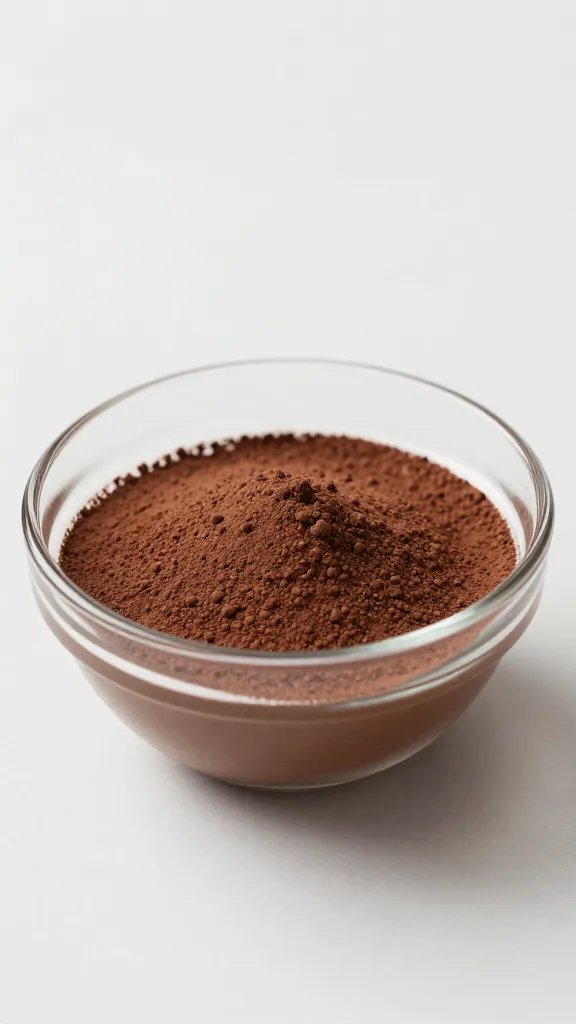
With the base recipe cut into 36 squares, each piece lands around 100–120 calories, 1–2g net carbs (varies by sweetener), and plenty of fat to keep you full. Measure net carbs using the label on your specific chocolate and sweetener — unsweetened baking chocolate has trace carbs; allulose doesn’t count toward net.
I keep a small container in the freezer and move 4–6 pieces to the fridge every few days. Cold fudge tastes sweeter and holds texture better than room-temp.
Action today: Pre-score your fudge with a knife after 20 minutes of chilling — it makes clean cuts later.
Troubleshooting Soft Or Crumbly Keto Fudge
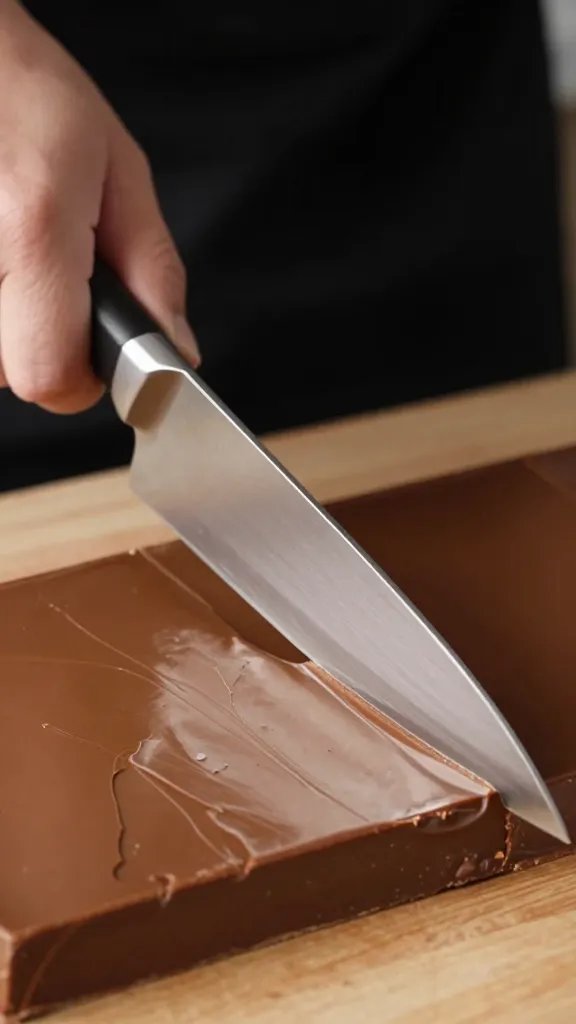
If your fudge stays soft after 3 hours in the fridge, your fat-to-structure ratio is off or the room was warm when you mixed. Whisk in 2 tablespoons melted unsweetened chocolate and 1 tablespoon powdered sweetener, warm 10 seconds, then re-pan and chill 1 hour.
If it’s dry or crumbly, you likely overheated. Warm the whole batch in the microwave at 30% power for 10–15 seconds, then beat in 1–2 tablespoons heavy cream until glossy and reset in the pan.
Action today: Keep 2 ounces of extra unsweetened chocolate on the counter; it’s your quick fix for too-soft fudge.
Frequently Asked Questions
Can I make keto fudge without cream cheese?
Yes. Replace the cream cheese with 3/4 cup heavy cream. Warm the cream separately to just below a simmer, then whisk into the melted chocolate and butter. The cream adds structure but sets a bit softer; chill at least 3 hours and keep refrigerated.
Which chocolate works best for microwave keto fudge?
Use bar-style unsweetened baking chocolate, not cocoa powder alone and not chocolate chips. Bars melt evenly and provide cocoa butter that helps the fudge set. If you only have cocoa powder, add 2 extra tablespoons coconut oil or butter to make up for the missing cocoa butter.
How do I prevent a cooling aftertaste from erythritol?
Switch to powdered allulose or a 50/50 allulose–erythritol blend. Add 1/8 teaspoon fine sea salt to round the sweetness, and a teaspoon of vanilla for warmth. Serve the fudge cold — the cooling effect reads less at refrigerator temperature than at room temp.
Can I make this dairy-free?
Yes. Use 1 cup coconut oil instead of butter and 3/4 cup full-fat coconut cream instead of cream cheese. Choose unsweetened chocolate with no milk solids. Expect a slightly softer set; add 1 tablespoon cocoa powder to firm and chill at least 3 hours.
Why did my fudge separate into a greasy layer on top?
It overheated or the cream cheese was cold. Rewarm the bowl at 30–50% power for 10 seconds and whisk in 1–2 tablespoons room-temp heavy cream (or coconut cream) until it re-emulsifies. Next time, pre-soften cream cheese and use shorter microwave bursts with stirring.
Can I sweeten it only with stevia or monk fruit drops?
You can, but the texture suffers because drops don’t add bulk. Use at least 2–4 tablespoons powdered allulose with your drops to maintain body, then adjust sweetness with the drops. Add the drops after the base is smooth to taste precisely.
Conclusion
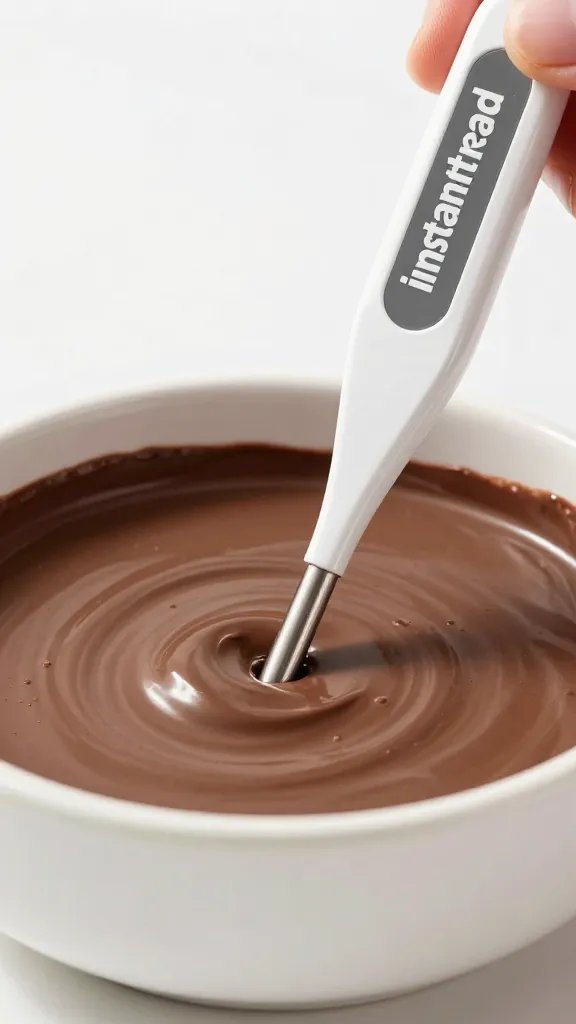
You don’t need a candy thermometer or perfect timing — you need gentle heat, the right ratio, and a lined pan. Start with the 2:1:1 base, use powdered sweetener, and keep the microwave at 50% power. Make a pan tonight, take notes on firmness and sweetness, and lock in your house formula after one or two batches. When you’re ready to riff, add nuts or espresso — the method won’t change, and your results will stay rock solid.