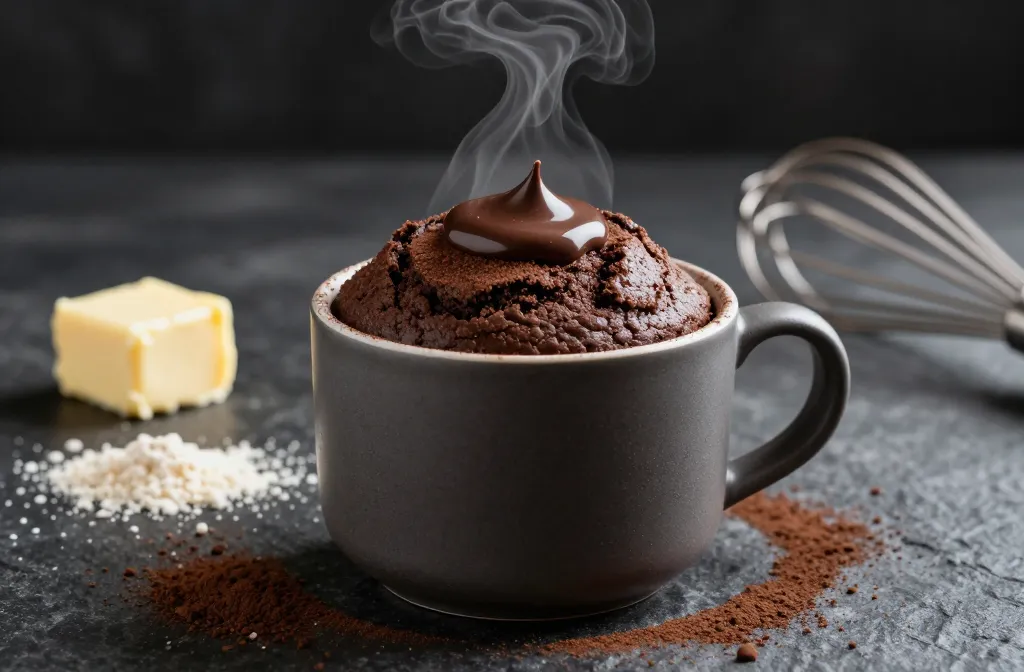
I started making keto mug cakes after too many late-night pantry raids ended with me scraping chocolate chips out of a bag. If that sounds familiar, you want something warm, portioned, and done before your willpower runs out. In this guide, I’ll show you the exact ingredients, ratios, and microwave timing that deliver a proper cake crumb — not a rubbery puck. You’ll learn reliable swaps, texture fixes, and a base recipe you can customize without breaking your carb budget.
Keto Chocolate Mug Cake
Ingredients
Equipment
Method
- In a 12 to 14 oz straight-sided mug, whisk the almond flour, cocoa, sweetener, baking powder, and salt with a fork until no lumps remain.
- Whisk in the egg, melted butter, vanilla, and cream until smooth.
- Cook 50 to 70 seconds, stopping at the first sign of dryness. Do not add 10 more seconds.
- Fork-fluff the top, drizzle a teaspoon of cream, and cover with a saucer for 1 minute to steam.
Notes
The Core Formula That Delivers Real Cake Texture
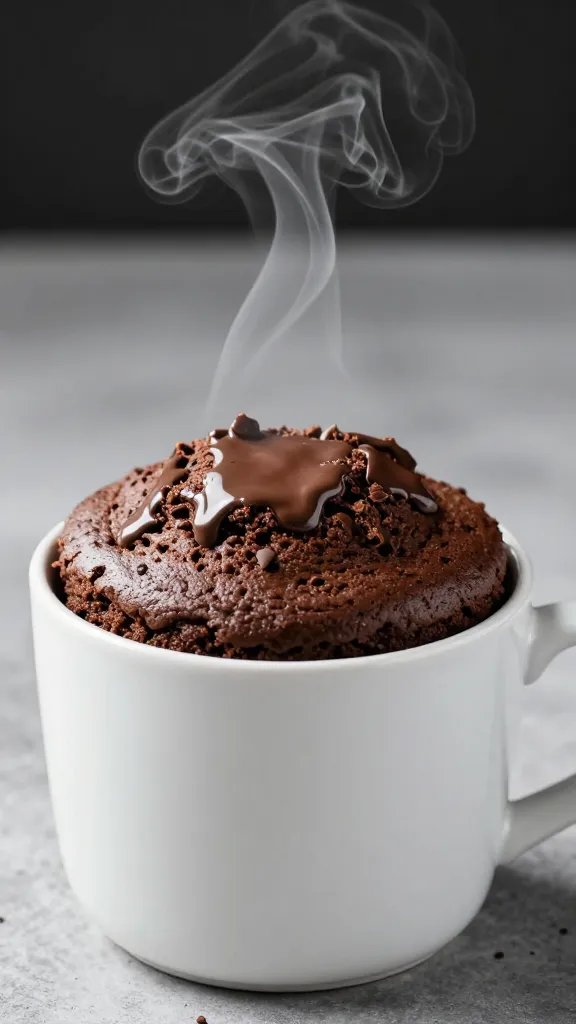
A keto mug cake lives or dies by fat-to-flour balance and leavening. I use almond flour for tenderness, a touch of cocoa for structure and flavor, and enough egg and butter to keep it moist without turning it spongy.
Here’s the base ratio for one standard 12–14 oz microwave-safe mug:
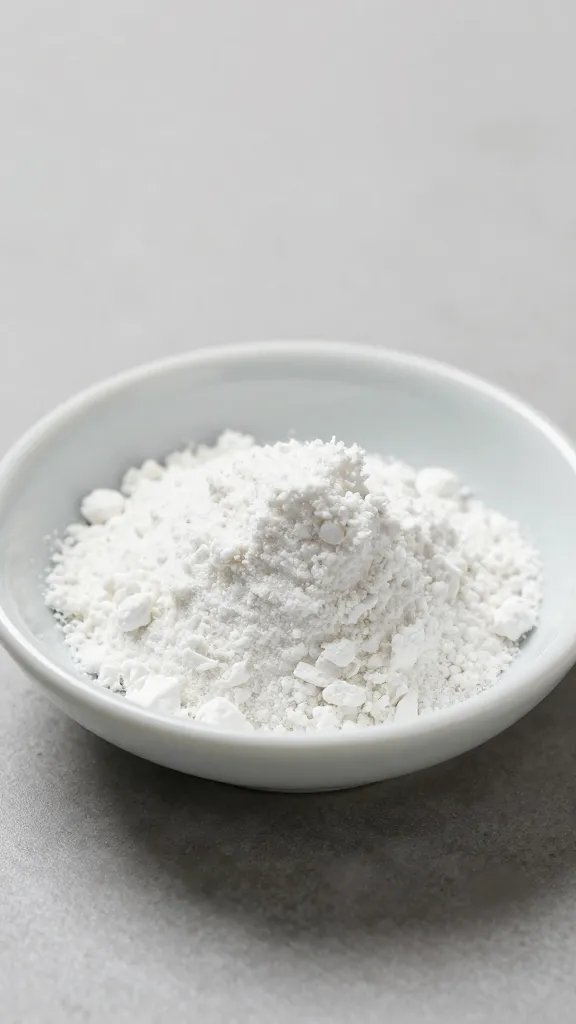
- Almond Flour: 3 tablespoons, finely ground (not almond meal)
- Unsweetened Cocoa Powder: 1 tablespoon, Dutch-process or natural
- Granular Erythritol/Allulose Blend: 1.5 tablespoons
- Baking Powder: 1/4 teaspoon, fresh
- Salt: a tiny pinch
- Egg: 1 large, room temperature
- Unsalted Butter: 1 tablespoon, melted and slightly cooled
- Vanilla Extract: 1/4 teaspoon
- Optional Richness: 1 tablespoon heavy cream or unsweetened almond milk for a lighter crumb
Combine dry ingredients in the mug, whisk the wet in a small bowl, then stir together until smooth. Microwave on high for 50–70 seconds, stopping at the first sign of a dry top with a glossy spot in the center.
Action today: Measure the dry ingredients directly into your favorite tall mug and mark the inside level with a bit of masking tape — that visual cue helps you repeat perfect volume every time.
Microwave Timing That Prevents Dry, Rubbery Cake
Microwaves vary more than ovens, so you need a tight timing plan. Overcooking by even 10 seconds dries almond flour and toughens egg proteins.
I start at 45 seconds, then cook in 5–10 second bursts until the top looks set at the edges and slightly soft in the center. The cake continues to cook from carryover heat for about 30 seconds after you stop the microwave.
Warning Signs
- Sunken Middle: Undercooked — add 5–10 seconds.
- Rubbery Sides Pulling Away: Overcooked — reduce total time by 10–15 seconds next round and add 1 teaspoon cream to batter.
- Wet, Shiny Top With Raw Pockets: Stir once and finish 5 seconds at a time.
Action today: Note your exact total cook time on a sticky label on the mug — you’ll nail doneness on the next batch without guessing.
Sweeteners That Taste Like Sugar Without Grit
I use a blend of erythritol and allulose for clean sweetness and better moisture. Straight erythritol can cool your tongue and crystallize as the cake cools, while allulose browns and softens the crumb.
If you only have one sweetener, reduce pure allulose by about 10% to avoid over-browning, or increase pure erythritol by 10% for the same sweetness. For stevia or monk fruit drops, add 10–12 drops and 1 additional teaspoon almond flour to compensate for lost bulk.
Action today: Mix a small jar of 2 parts erythritol to 1 part allulose and keep it with your cocoa — that pre-mix makes consistent cakes without recalculating.
Almond Flour vs. Coconut Flour: How to Swap Correctly
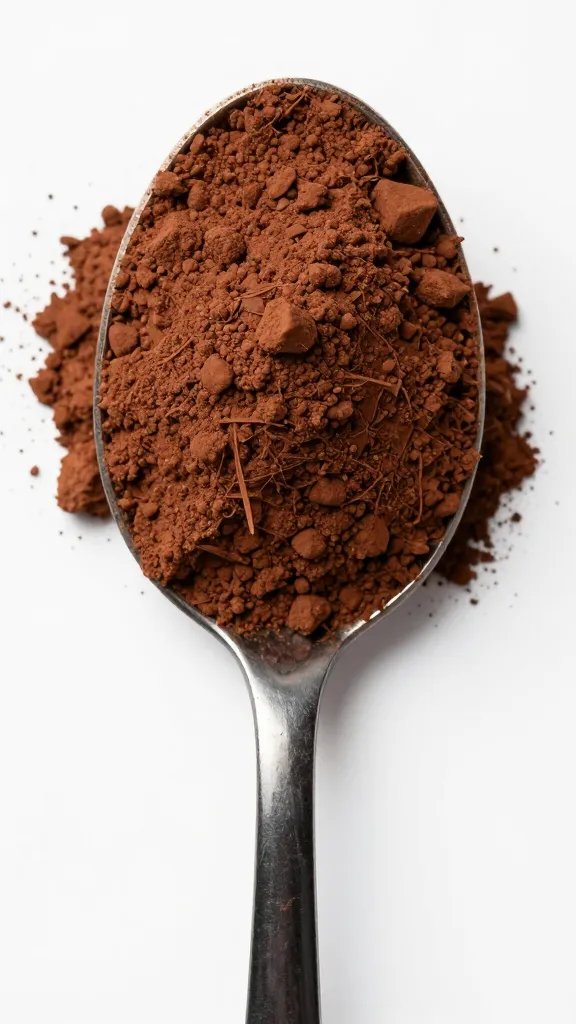
Almond and coconut flour are not interchangeable by volume. Coconut flour absorbs 2–3 times more liquid and turns dense without extra egg and fat.
For a coconut flour version, use 1 tablespoon coconut flour, 1 large egg, 1.5 tablespoons butter, 2 tablespoons liquid (cream or almond milk), and keep the cocoa, sweetener, and leavening the same. Rest the batter 2 minutes before microwaving so coconut flour hydrates and the cake rises evenly.
Action today: If you only own coconut flour, pre-measure 1-tablespoon packets — you’ll avoid the number one mistake of overpacking and drying the cake.
Add-Ins and Toppings That Stay Keto
Use small, high-impact additions so carbs stay low and texture stays tender. I reach for chopped 85–90% dark chocolate, a teaspoon of natural peanut butter, or a few raspberries.
- Molten Center: Press 4–6 sugar-free chocolate chips into the middle before microwaving.
- Peanut Butter Swirl: Dollop 1 teaspoon on top and swirl with a knife.
- Frosting Shortcut: Stir 2 tablespoons heavy cream with 1 teaspoon powdered sweetener and a drop of vanilla; spoon over warm cake.
- Mocha Twist: Add 1/2 teaspoon instant espresso to the dry mix.
Action today: Keep a small container of chopped high-cocoa chocolate near your mug — 1 teaspoon folded in gives bakery-level flavor for minimal carbs.
Texture Fixes for Common Failures

If your cake turns eggy, you used too much heat or too large an egg. Whisk the egg thoroughly with the sweetener first to break up proteins, then add fat and dry ingredients.
If it’s crumbly, add 1 teaspoon cream or 1/2 teaspoon avocado oil to increase moisture. If it’s flat, your baking powder is tired; replace it every six months or add a tiny pinch (1/16 teaspoon) of baking soda plus 1/4 teaspoon vinegar for lift.
Step-by-Step Rescue
- Stop at first sign of dryness; don’t “give it 10 more seconds.”
- Fork-fluff the top and drizzle 1 teaspoon cream; cover with a saucer 1 minute to steam.
- Next batch: reduce time by 10 seconds and add 1 teaspoon liquid to batter.
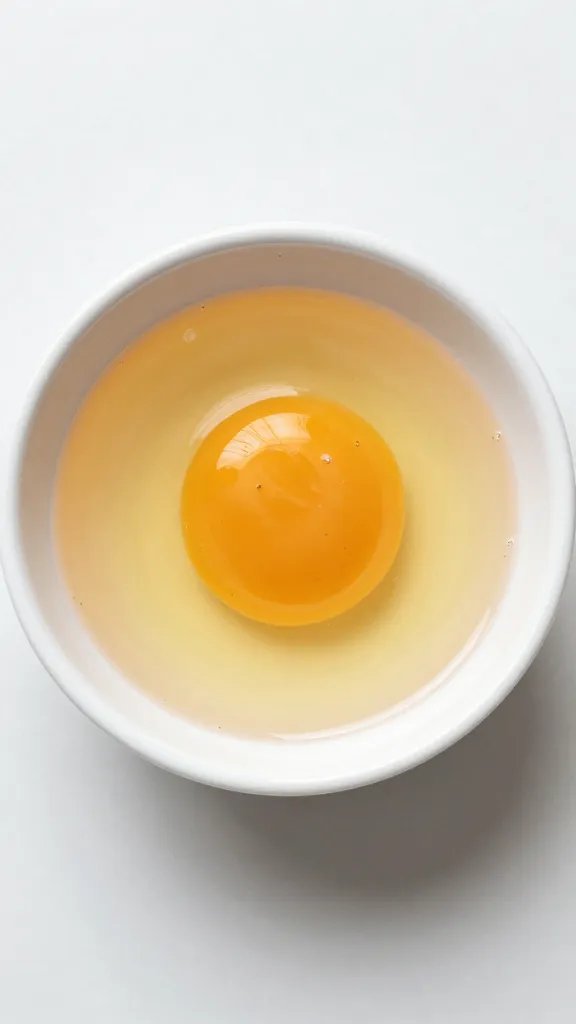
Action today: Crack your egg into a ramekin and whisk 15 seconds before adding — you’ll eliminate rubbery streaks and get a finer crumb.
Make-Ahead Mixes for Weeknight Sanity
I portion dry ingredients into small jars or zip bags for two weeks at a time. Each packet holds almond flour, cocoa, sweetener, baking powder, and a pinch of salt.
When a craving hits, I empty a packet into the mug, add egg, melted butter, vanilla, and cream, then microwave. Total hands-on time: under 60 seconds.
Material Recommendations
- Mug: 12–14 oz, straight sides for even heating, microwave-safe.
- Whisk: Mini whisk or fork; avoid silicone spatulas for initial mixing, which leave unmixed flour pockets.
- Scale (Optional): If you own one, 24 g almond flour and 6 g cocoa produce consistent results.
Action today: Assemble three dry packets now — you’ll thank yourself when the craving hits after dinner.
Frequently Asked Questions
How do I stop the mug cake from sticking?
Use a smooth, glazed mug and grease it lightly with 1/4 teaspoon butter or avocado oil, especially if you plan to turn the cake out onto a plate. Cocoa plus almond flour can cling to rough ceramic. Let the cake rest 1 minute, then run a butter knife around the edge before unmolding. If you always eat it from the mug, a quick grease isn’t necessary but improves texture at the edges.
Can I bake this in an oven instead of a microwave?
Yes. Preheat to 350°F (175°C). Mix the batter and pour into a greased ramekin (8–10 oz). Bake 10–12 minutes until the top springs back lightly; start checking at 9 minutes. Oven baking gives a slightly drier top, so add 1 extra teaspoon cream to the batter.
What sweetener is best if erythritol bothers my stomach?
Use allulose on its own and reduce the amount to 1 tablespoon to match sweetness. Allulose browns more, so keep microwave time on the lower end. To replace lost bulk, add 1 additional teaspoon almond flour or 1 teaspoon whey isolate if you have it. Expect a softer, moister crumb.
How many net carbs are in this mug cake?
With the almond flour base, standard cocoa, and an erythritol/allulose blend, one cake lands around 4–6 net carbs depending on add-ins. Check your cocoa and chocolate labels; some brands add fillers. If you add raspberries or peanut butter, log 1–2 extra net carbs. Keep serving size to one mug to stay on track.
Why is my cake pale and not very chocolatey?
Use Dutch-process cocoa for deeper color and richer flavor. Increase cocoa to 1.5 tablespoons and add 1 teaspoon cream to maintain moisture. A pinch of espresso powder intensifies chocolate without adding carbs. Also, replace old cocoa after 12 months — it loses aroma and color.
Can I make it dairy-free?
Yes. Swap butter for 1 tablespoon refined coconut oil and replace cream with unsweetened almond milk. Add a pinch more salt to balance flavor. The crumb will be slightly looser; keep microwave time 5–10 seconds shorter and let it rest 1 minute to set.
Conclusion
You don’t need bakery skills to get a rich, spoonable, keto-friendly chocolate cake — you need the right ratios and 60 seconds of attention. Start with the core formula, log your exact microwave time on the mug, and prep a few dry-mix packets so dessert is always one minute away. Next step: try the mocha variation tonight and note your perfect time — you’ll have a fail-proof personal recipe by tomorrow.
Printable Recipe Card
Want just the essential recipe details without scrolling through the article? Get our printable recipe card with just the ingredients and instructions.