
Air Fryer Honey Garlic Salmon – Fast, Flavorful, and Foolproof
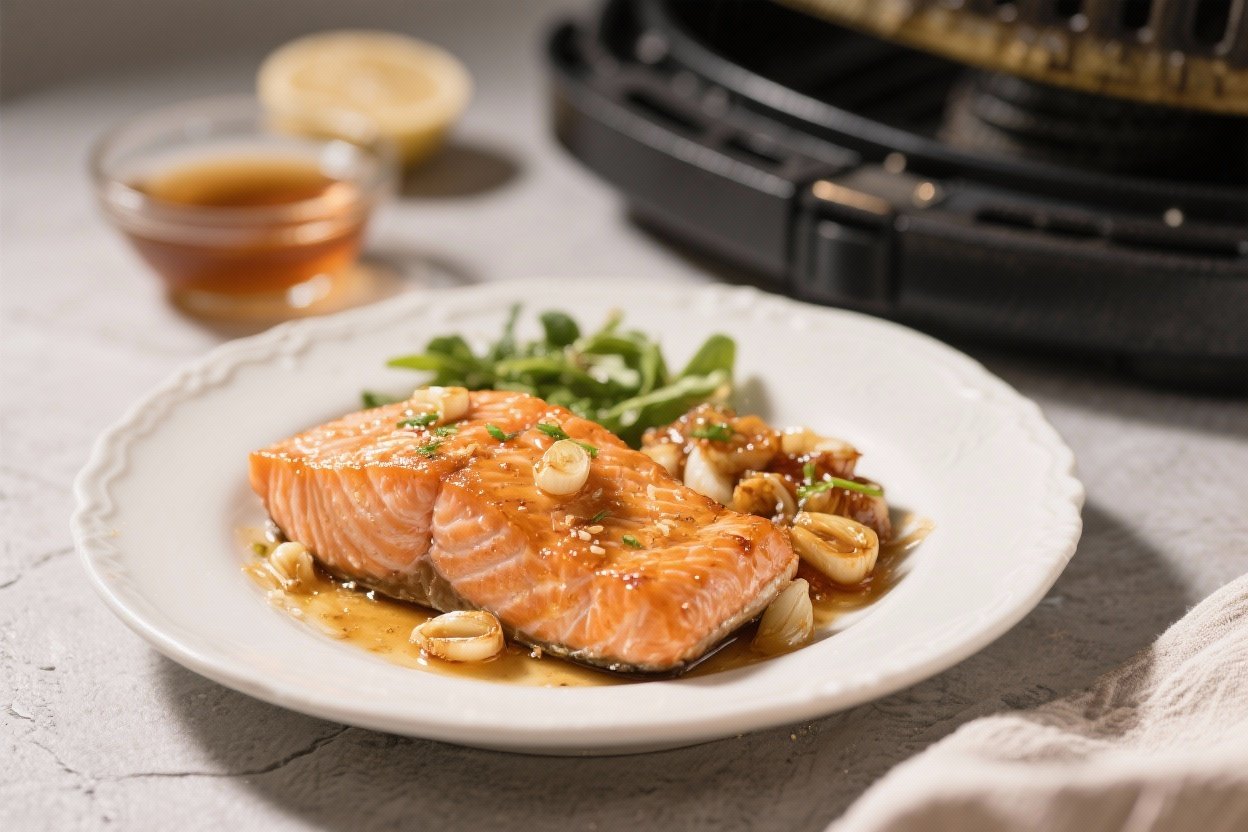
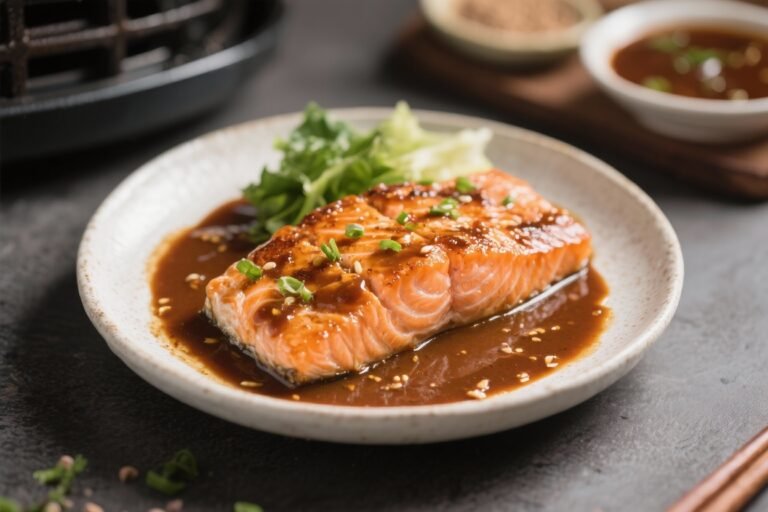
If you’re craving a fast weeknight dinner that feels a little special, honey garlic salmon in the air fryer is a winner. It’s sweet, savory, and a little sticky, with crisp edges and tender, flaky fish. Best of all, it takes less than 20 minutes from start to plate.
You’ll get the same glossy finish you’d expect from a skillet glaze, but with almost no effort and minimal cleanup. Whether you’re new to cooking salmon or you make it every week, this method is easy, consistent, and deeply satisfying.
What Makes This Recipe So Good
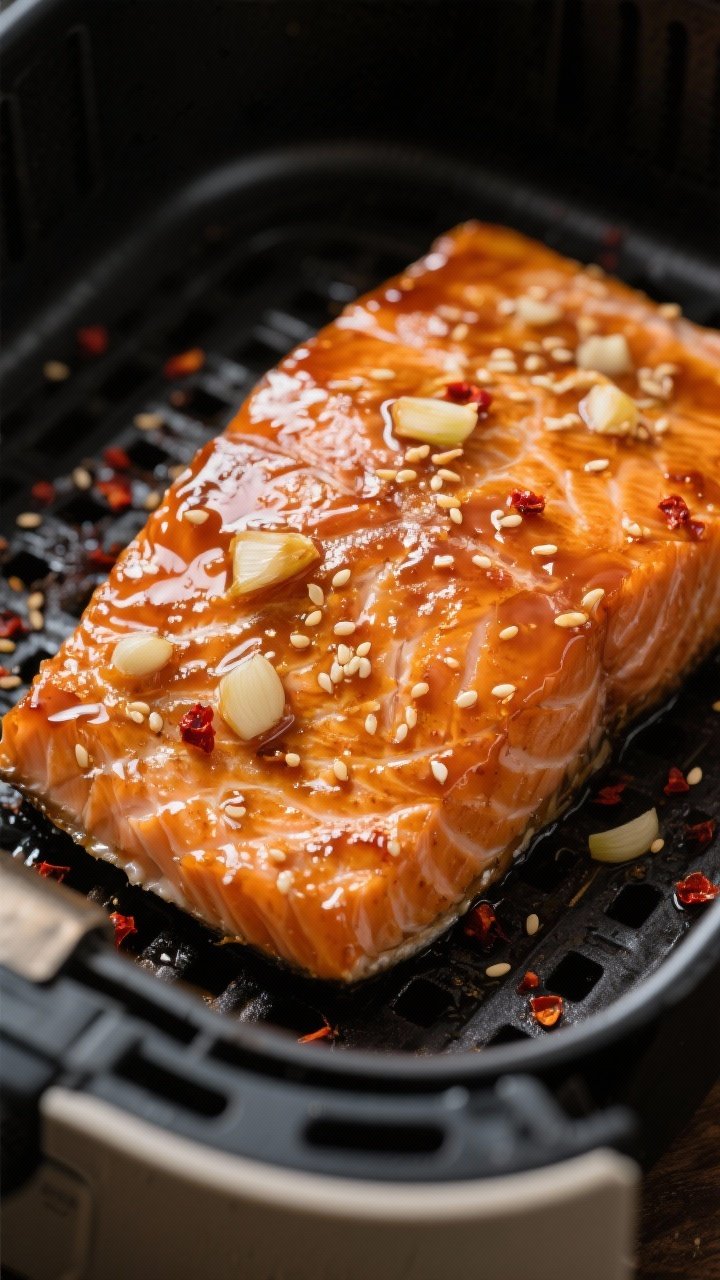
- Quick and reliable: The air fryer cooks salmon evenly and fast, with little babysitting.
- Big flavor, simple ingredients: Honey, garlic, soy sauce, and a splash of lemon or rice vinegar create a balanced glaze.
- Great texture: Crisp edges, juicy center, and a sticky caramelized finish.
- Flexible: Works with fresh or frozen salmon, and pairs with rice, noodles, or roasted vegetables.
- Healthier approach: Less oil, lean protein, and omega-3s packed into a feel-good meal.
Shopping List
- Salmon fillets (4 fillets, 5–6 ounces each; skin-on preferred)
- Honey (2–3 tablespoons)
- Garlic (3–4 cloves, minced)
- Soy sauce or tamari (2 tablespoons)
- Rice vinegar or lemon juice (1 tablespoon)
- Sesame oil (1 teaspoon; optional but adds depth)
- Olive oil or neutral oil (1–2 teaspoons, for the basket)
- Ground black pepper
- Red pepper flakes (optional, for heat)
- Cornstarch (optional, 1/2 teaspoon to thicken glaze)
- Green onions and/or sesame seeds for garnish (optional)
- Lemon wedges (for serving)
- Salt (use lightly; soy sauce already adds salt)
How to Make It
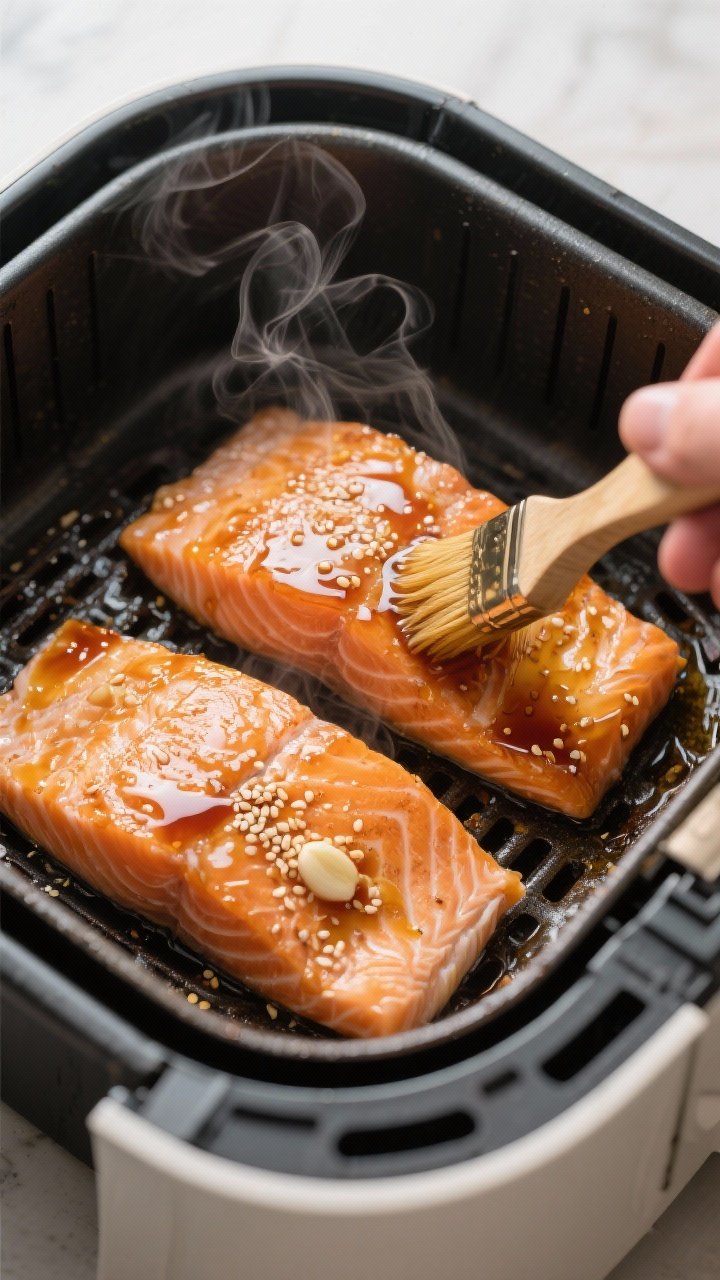
- Pat the salmon dry. Use paper towels to remove moisture so the glaze sticks and the fish browns nicely. Lightly season with pepper and just a pinch of salt.
- Make the sauce. In a small bowl, stir together honey, soy sauce, minced garlic, rice vinegar (or lemon juice), sesame oil, and a pinch of red pepper flakes if you like heat.
Taste and adjust—more honey for sweetness, more vinegar for tang.
- Optional thickening step. If you want a stickier glaze, whisk the cornstarch into the sauce. It will thicken slightly as it cooks on the fish.
- Preheat the air fryer to 390°F (200°C) for 3–4 minutes. A hot basket helps the salmon sear and prevents sticking.
- Oil the basket. Lightly brush or spray the air fryer basket with oil to help prevent sticking, especially if using skinless fillets.
- Brush salmon with sauce. Place the fillets on a plate, skin-side down.
Brush or spoon a generous layer of sauce over the tops and sides.
- Air fry the salmon. Transfer fillets to the basket, skin-side down, leaving space between pieces. Cook for 6–9 minutes depending on thickness. Aim for an internal temperature of 125–130°F for medium, or up to 135°F if you prefer more done.
The top should look glossy and lightly caramelized.
- Baste halfway (optional). At the 4-minute mark, open the basket and brush on a little more sauce. This builds a deeper glaze.
- Rest briefly. Let the salmon sit for 2 minutes. Carryover heat finishes the cook and keeps it juicy.
- Garnish and serve. Spoon any remaining warm sauce over the salmon.
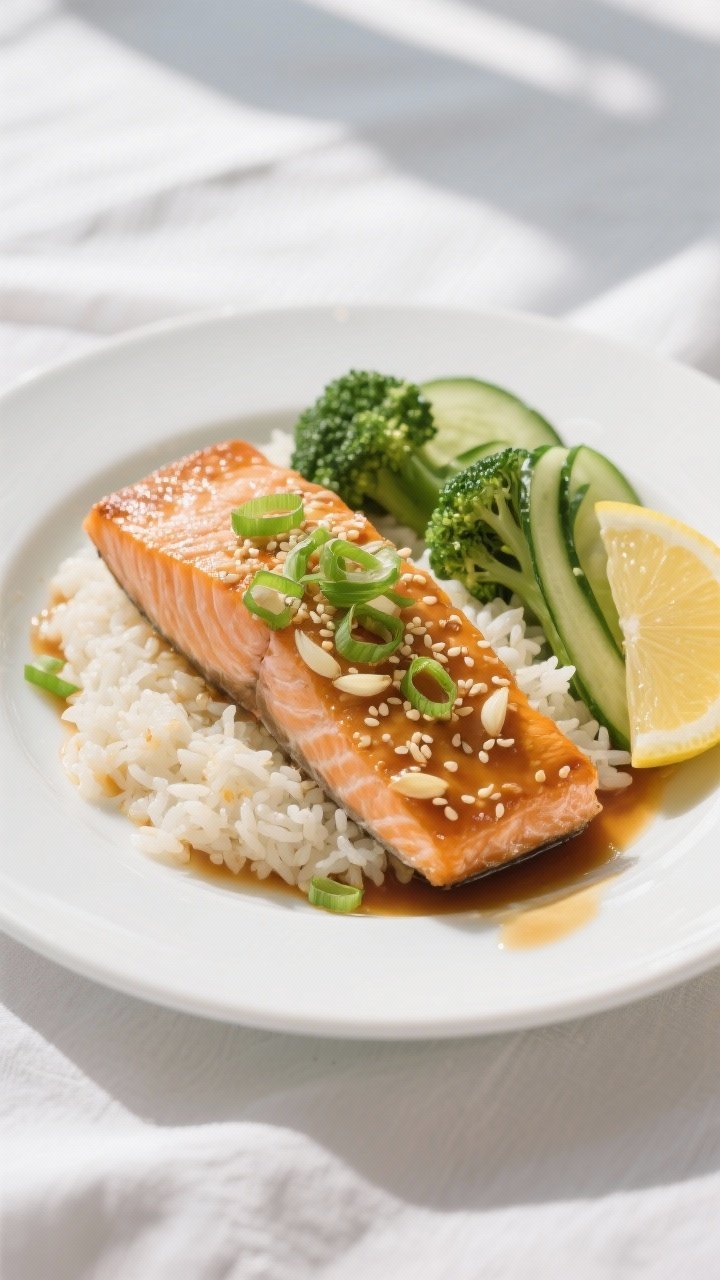
Top with sliced green onions and sesame seeds. Serve with rice, quinoa, steamed broccoli, cucumbers, or a crisp salad. Add lemon wedges for brightness.
Storage Instructions
- Refrigerate: Store leftovers in an airtight container for up to 3 days.
- Reheat: Warm gently in the air fryer at 320°F for 3–4 minutes or in a covered skillet over low heat.
Avoid microwaving for too long—it can dry out the fish.
- Freeze: Salmon is best fresh, but you can freeze cooked portions for up to 2 months. Wrap tightly and thaw overnight in the fridge before reheating.
- Meal prep tip: Keep the sauce separate and brush fresh before reheating for better texture.
Why This is Good for You
- Lean protein: Salmon supports satiety and muscle recovery.
- Omega-3s: Salmon is rich in EPA and DHA, which support heart and brain health.
- Balanced glaze: A small amount of honey adds flavor and helps with caramelization, so you get big taste without heavy sauces.
- Less oil: The air fryer uses minimal added fat while still giving you crisp edges.
What Not to Do
- Don’t overcrowd the basket. Air needs to circulate. Cook in batches if needed.
- Don’t skip drying the fish. Excess moisture prevents browning and glaze adhesion.
- Don’t overcook. Salmon goes from perfect to dry fast.
Start checking early and use a thermometer.
- Don’t rely on salt alone. The soy sauce is salty; add it first, then adjust salt to taste at the end.
- Don’t use thick, sugary marinades for hours. The honey can burn in the air fryer if overly concentrated or marinated too long. Brush on right before cooking.
Alternatives
- Sauce swaps: Use maple syrup instead of honey, coconut aminos for soy-free, or add a teaspoon of miso for savory depth.
- Flavor boosts: Grate fresh ginger into the sauce, add orange zest, or stir in a touch of sriracha or gochujang for heat.
- Protein options: Try this glaze on chicken thighs, tofu, or shrimp. Adjust cook time accordingly.
- Sides: Serve with garlic rice, sesame noodles, stir-fried snap peas, roasted carrots, or a simple cucumber salad.
- Skin-on vs. skinless: Skin-on helps prevent sticking and keeps the salmon moist.
If using skinless, oil the basket well and reduce cook time slightly.
FAQ
Can I use frozen salmon?
Yes. Thaw it overnight in the fridge, then pat it very dry before saucing and cooking. If cooking from frozen, air fry at 360°F for 3–4 minutes to thaw, then add sauce and cook at 390°F until done.
How do I know when salmon is done?
Use a thermometer and look at texture.
It should flake easily with a fork and register around 125–130°F in the thickest part for medium. The color will turn from deep translucent to opaque pink.
Will the honey burn in the air fryer?
Not if you follow the timing and temperature. Honey can burn at very high heat or long cook times.
Keep it around 390°F and avoid excessive sauce pooling. Baste lightly and cook just until caramelized.
What if I don’t have rice vinegar?
Use lemon juice or apple cider vinegar. You just need acidity to balance the sweetness and saltiness.
Can I make this without soy?
Absolutely.
Use coconut aminos for a similar flavor profile. You may need a pinch of salt since coconut aminos are less salty than soy sauce.
How do I keep the salmon from sticking?
Preheat the air fryer, oil the basket lightly, and use skin-on fillets if possible. Don’t move the salmon early—let it release naturally as it cooks.
Is the cornstarch necessary?
No.
It simply helps the sauce cling and thicken. If you skip it, the glaze will still be delicious—just a bit looser.
Can I make extra sauce to drizzle?
Yes, but heat it separately in a small pan until it bubbles and thickens slightly, then spoon over the cooked salmon. Don’t pour a lot of raw sauce into the basket or it may burn.
In Conclusion
Air fryer honey garlic salmon is fast, flavorful, and easy enough for any night of the week.
With a handful of pantry ingredients, you get a glossy, restaurant-style glaze and buttery, flaky fish in minutes. Keep the steps simple, watch the cook time, and customize the sauce to your taste. Pair it with rice or vegetables, add a squeeze of lemon, and you’ve got a reliable, crowd-pleasing meal with almost no cleanup.
This is the kind of recipe you’ll keep on repeat.
Ingredients
Method
- Pat the salmon dry. Use paper towels to remove moisture so the glaze sticks and the fish browns nicely. Lightly season with pepper and just a pinch of salt.
- Make the sauce. In a small bowl, stir together honey, soy sauce, minced garlic, rice vinegar (or lemon juice), sesame oil, and a pinch of red pepper flakes if you like heat. Taste and adjust—more honey for sweetness, more vinegar for tang.
- Optional thickening step. If you want a stickier glaze, whisk the cornstarch into the sauce. It will thicken slightly as it cooks on the fish.
- Preheat the air fryer to 390°F (200°C) for 3–4 minutes. A hot basket helps the salmon sear and prevents sticking.
- Oil the basket. Lightly brush or spray the air fryer basket with oil to help prevent sticking, especially if using skinless fillets.
- Brush salmon with sauce. Place the fillets on a plate, skin-side down. Brush or spoon a generous layer of sauce over the tops and sides.
- Air fry the salmon. Transfer fillets to the basket, skin-side down, leaving space between pieces. Cook for 6–9 minutes depending on thickness. Aim for an internal temperature of 125–130°F for medium, or up to 135°F if you prefer more done. The top should look glossy and lightly caramelized.
- Baste halfway (optional). At the 4-minute mark, open the basket and brush on a little more sauce. This builds a deeper glaze.
- Rest briefly. Let the salmon sit for 2 minutes. Carryover heat finishes the cook and keeps it juicy.
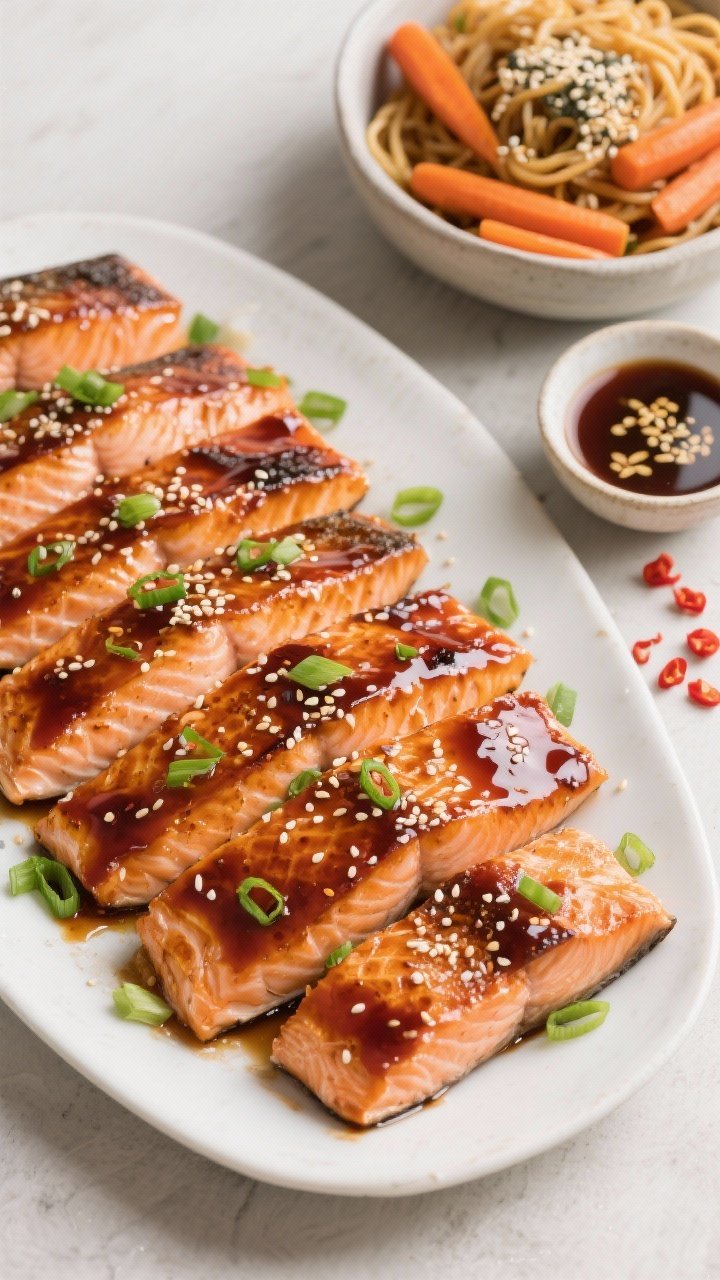
- Garnish and serve. Spoon any remaining warm sauce over the salmon. Top with sliced green onions and sesame seeds. Serve with rice, quinoa, steamed broccoli, cucumbers, or a crisp salad. Add lemon wedges for brightness.
Printable Recipe Card
Want just the essential recipe details without scrolling through the article? Get our printable recipe card with just the ingredients and instructions.
One Comment