What Makes This Recipe So Good
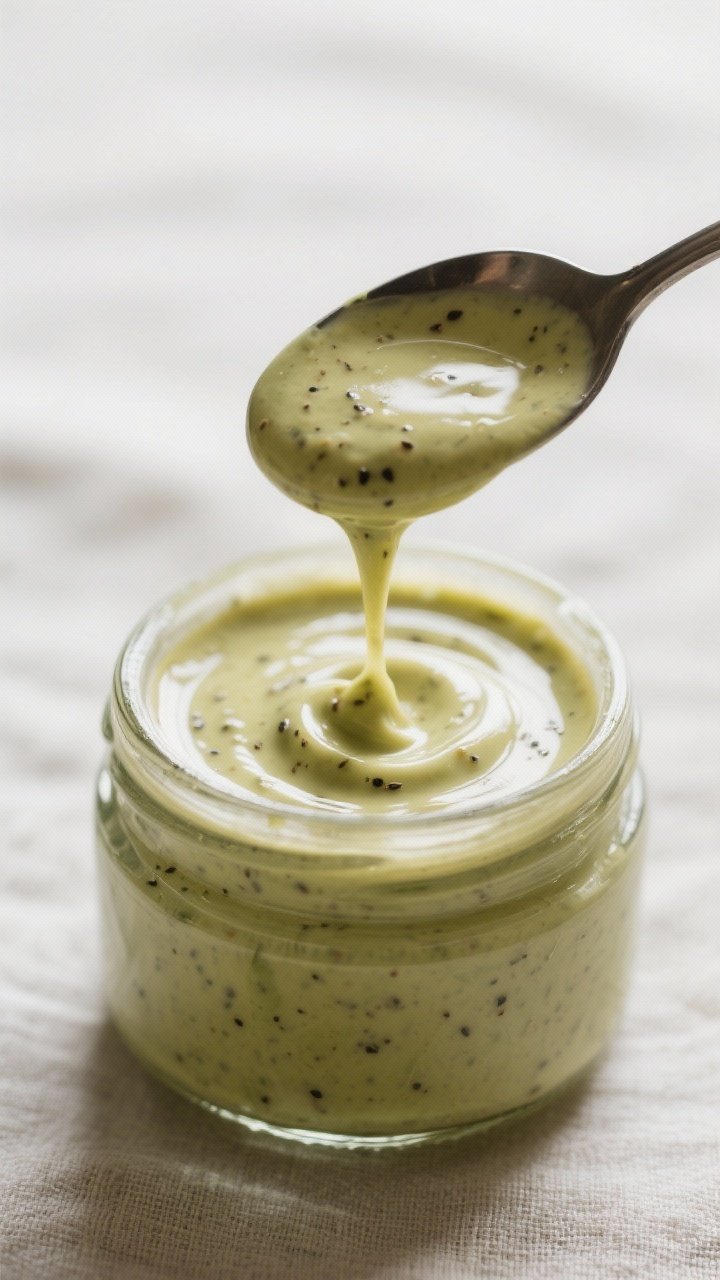
This dressing hits that sweet spot of flavor and texture. The avocado brings creaminess without dairy, and the miso adds a savory, slightly sweet umami note.A little acid from lime or rice vinegar keeps it from feeling heavy.
It’s also incredibly fast to make. Toss everything in a blender and you’re done. No whisking, no slow drizzle, no fuss.And because avocado and miso are both nutrient-dense, it’s a dressing that actually supports your meal, not just coats it.
Best of all, it’s customizable. You can make it zesty and bright, or mellow and earthy. You can thin it for a pourable dressing or keep it thick for dipping.It adapts to whatever you’re cooking this week.
Shopping List
- Avocado: 1 ripe medium avocado
- White miso paste: 1–2 tablespoons (start with 1 for milder flavor)
- Fresh lime juice or rice vinegar: 2–3 tablespoons
- Olive oil or avocado oil: 2 tablespoons
- Water: 2–6 tablespoons, to thin to taste
- Garlic:
- Honey or maple syrup: 1–2 teaspoons (optional, balances the salt)
- Soy sauce or tamari: 1–2 teaspoons (optional, for deeper umami)
- Sesame oil: 1/2 teaspoon (optional, a little goes a long way)
- Black pepper: a few grinds
- Salt: to taste (you may not need much because miso is salty)
How to Make It
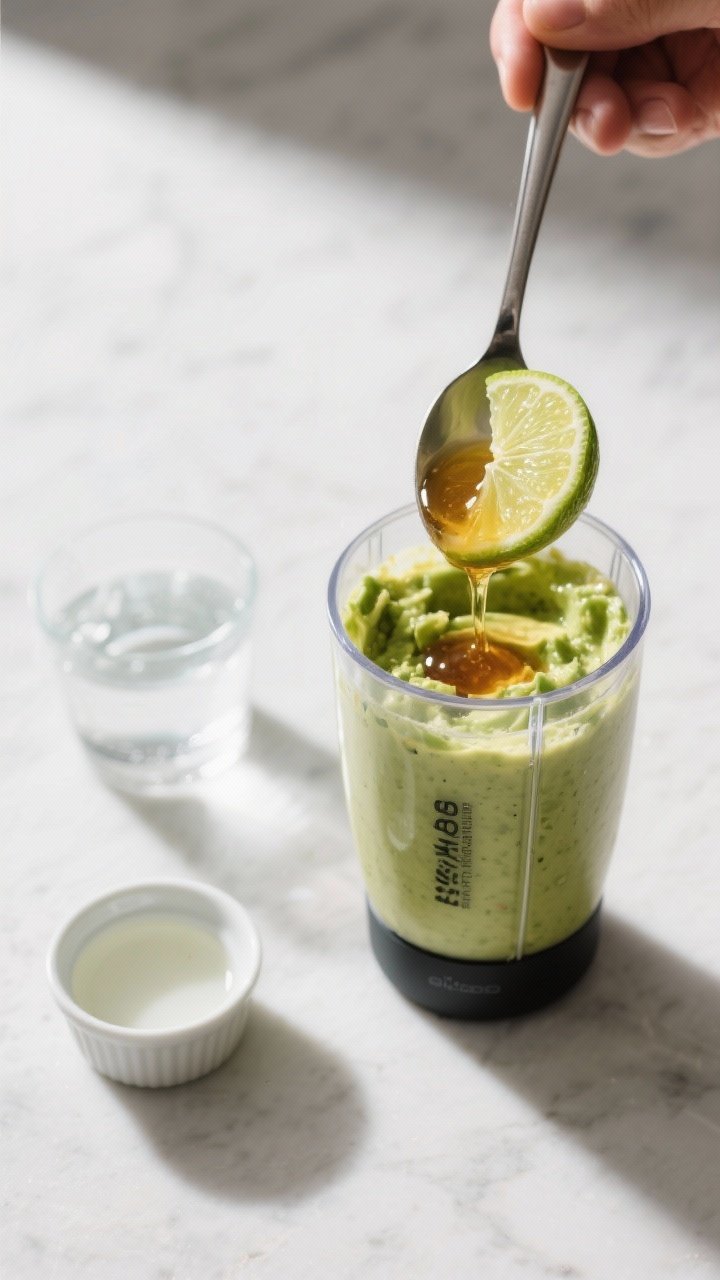
- Scoop the avocado. Halve the avocado, remove the pit, and scoop the flesh into a blender or food processor. A small bullet-style blender works well here.
- Add the flavor base. Spoon in the miso paste, pour in lime juice (or rice vinegar), and add olive oil. Toss in the garlic if using.
- Balance with sweetness and umami. Add honey or maple syrup, plus a splash of soy sauce or tamari if you want extra depth.These round out the acidity and saltiness.
- Blend with water. Start with 2 tablespoons of water and blend until smooth. Add more water, 1 tablespoon at a time, until you reach your desired consistency—pourable for salad, thicker for dip.
- Taste and adjust. Add black pepper and a pinch of salt only if needed. If it’s too tangy, add a bit more honey.If it’s too thick, add water or oil. If it needs brightness, add a squeeze of lime.
- Serve or chill. Use right away or transfer to a jar and refrigerate. It may thicken slightly in the fridge; thin with a splash of water before serving.
Keeping It Fresh
Avocado-based dressings can brown over time, but there are easy ways to keep this one fresh.Store it in a tightly sealed jar with a piece of plastic wrap pressed directly onto the surface to limit air contact. A small squeeze of lime on top before sealing also helps.
Refrigeration: Keeps well for 3–4 days. Give it a quick stir or shake before using.If it thickens, whisk in a little water until it loosens up.
Freezing: Not ideal. The texture can separate when thawed. It’s best to make small batches and enjoy it fresh.
Benefits of This Recipe
- Healthy fats: Avocado and olive oil provide monounsaturated fats that help keep you satisfied and support heart health.
- Umami without dairy: Miso delivers depth and savoriness without cream or cheese.
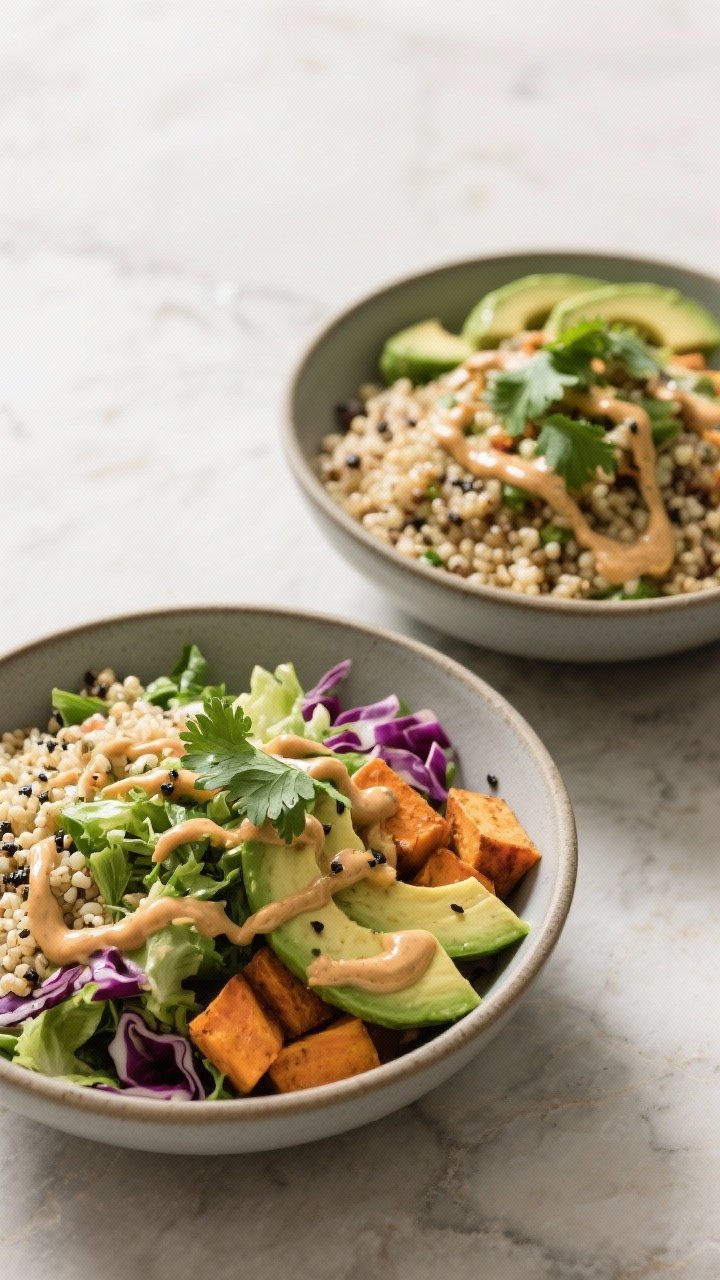
- Quick and versatile: Ready in minutes and pairs with salads, bowls, tacos, sandwiches, and roasted vegetables.
- Customizable: Easy to adjust for vegan, gluten-free, or low-sugar needs.
- Nutrient boost: Miso is fermented, and avocado adds fiber, potassium, and vitamin E.
Pitfalls to Watch Out For
- Over-salting: Miso is already salty.Taste before adding extra salt or soy sauce.
- Using an underripe avocado: It will taste bland and blend grainy. Choose one that yields slightly to gentle pressure.
- Too much garlic: Raw garlic can overpower the dressing. Start small or skip it if you’re sensitive.
- Over-thinning: Add water gradually.It’s easier to thin than to thicken.
- Skipping acid: The lime or vinegar brightens the flavors and keeps the color vibrant.
Variations You Can Try
- Ginger-lime: Add 1 teaspoon fresh grated ginger and use all lime juice for a zesty, aromatic spin.
- Spicy sesame: Stir in 1 teaspoon chili crisp or a pinch of red pepper flakes, plus 1/2 teaspoon toasted sesame oil.
- Cilantro-jalapeño: Blend in a small handful of cilantro and 1/4 jalapeño (seeded) for a bright, herby kick.
- Green goddess-inspired: Add parsley, chives, and a few basil leaves. Thin with extra water to keep it pourable.
- Tahini twist: Replace half the olive oil with tahini for a nuttier, creamier profile.
- Citrus swap: Use lemon or yuzu if you prefer a different acidity.
- Protein bump: Blend in a spoonful of plain Greek yogurt (if not dairy-free) for extra creaminess and tang.
FAQ
What kind of miso should I use?
White miso (shiro miso) is the best choice for this dressing. It’s mild, slightly sweet, and won’t overpower the avocado.If you only have yellow miso, start with less and adjust to taste.
Can I make it without a blender?
Yes, though it will be a bit chunkier. Mash the avocado very well with a fork, then whisk in the other ingredients. Add water gradually until smooth.A stick blender is a great middle ground if you have one.
How do I keep it from browning?
Use fresh lime juice and store it in an airtight container with plastic wrap pressed onto the surface. A thin layer of olive oil on top also slows oxidation. Stir before serving.
Is this dressing vegan and gluten-free?
It’s naturally vegan if you use maple syrup instead of honey.For gluten-free, use certified gluten-free miso and tamari instead of soy sauce.
What should I serve it with?
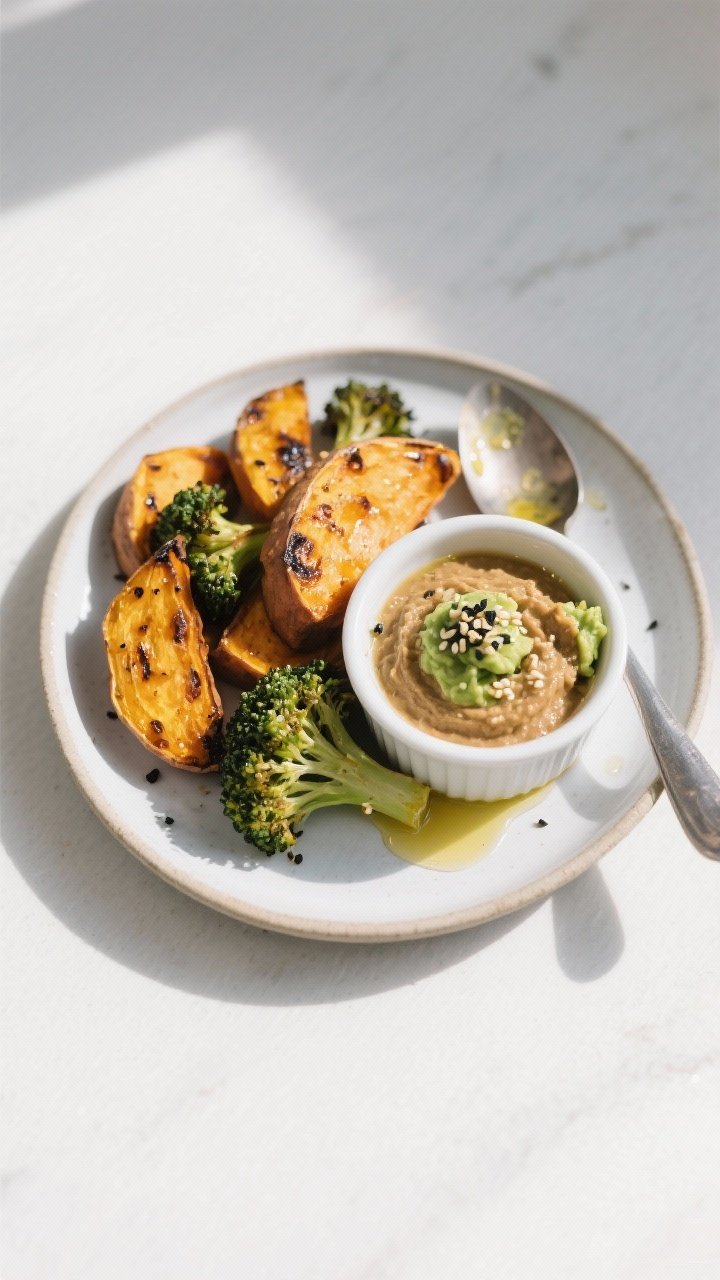
It’s great on chopped salads, cabbage slaws, grain bowls, and roasted sweet potatoes. Try it as a dip for raw veggies, spooned over grilled chicken or tofu, or drizzled on salmon and rice bowls.
How can I fix a bitter or harsh taste?
Add a touch more honey or maple syrup and a bit more water or oil to soften the edges. Sometimes an extra squeeze of lime brings the flavors back into balance.
Can I double the recipe?
Absolutely.Just blend in batches if your blender is small. Keep the ratio the same, then adjust water at the end to reach your desired consistency.
What if my dressing is too thin?
Blend in more avocado or a tablespoon of tahini to thicken. You can also let it chill in the fridge for 15–20 minutes; it will firm up slightly.
Final Thoughts
This miso avocado dressing is simple, flexible, and full of flavor.It turns basic greens into a crave-worthy meal and makes roasted veggies shine. Keep the ingredients on hand and you’ll always have a quick way to elevate dinner. Once you dial in your perfect balance—more lime here, a little ginger there—you’ll wonder how you ever got by without it.
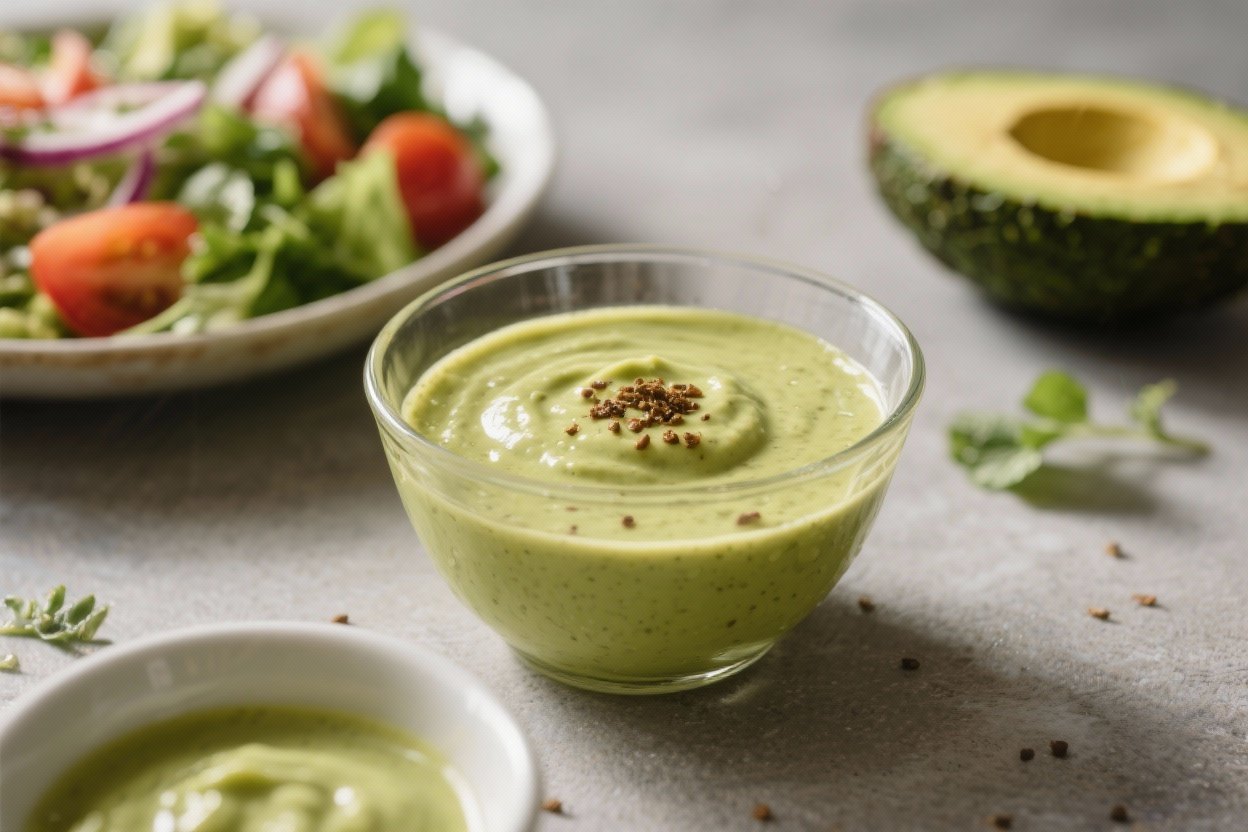
Miso Avocado Dressing - Creamy, Tangy, and Ready in Minutes
Ingredients
Method
- Scoop the avocado. Halve the avocado, remove the pit, and scoop the flesh into a blender or food processor. A small bullet-style blender works well here.
- Add the flavor base. Spoon in the miso paste, pour in lime juice (or rice vinegar), and add olive oil. Toss in the garlic if using.
- Balance with sweetness and umami. Add honey or maple syrup, plus a splash of soy sauce or tamari if you want extra depth.These round out the acidity and saltiness.
- Blend with water. Start with 2 tablespoons of water and blend until smooth. Add more water, 1 tablespoon at a time, until you reach your desired consistency—pourable for salad, thicker for dip.
- Taste and adjust. Add black pepper and a pinch of salt only if needed. If it’s too tangy, add a bit more honey.If it’s too thick, add water or oil. If it needs brightness, add a squeeze of lime.
- Serve or chill. Use right away or transfer to a jar and refrigerate. It may thicken slightly in the fridge; thin with a splash of water before serving.
Printable Recipe Card
Want just the essential recipe details without scrolling through the article? Get our printable recipe card with just the ingredients and instructions.