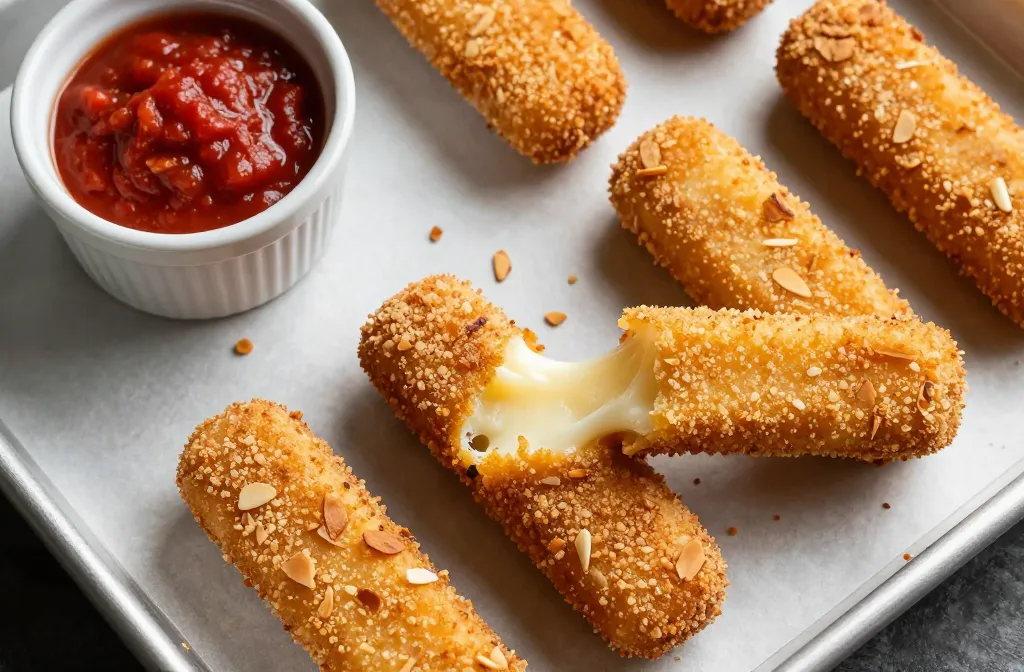
I started baking mozzarella sticks on weeknights when I was short on time and didn’t want the mess of frying. The first batch slumped into cheesy puddles, and the almond coating fell off in patches. After a few rounds, I nailed a method that gives a shatter-crisp crust with zero leaks and no deep fryer. In this guide, I’ll show you exactly how to get a tight, well-seasoned almond crust that stays put, plus the small temperature and timing tweaks that keep the cheese molten without melting away.
Crispy Almond-Crusted Mozzarella Sticks (No Fry)
Ingredients
Equipment
Method
- Pat the sticks dry. Line up flour, egg wash, and the combined almond crust in three dishes.
- Dust in flour, dip in egg, press into the almond crust, then repeat the egg and crust for a double coat.
- Set the coated sticks on a parchment-lined tray and freeze 30 to 45 minutes until firm.
- Oven: 425°F on a wire rack, sprayed with oil, 10 to 12 minutes, turning at 6. Air fryer: 400°F, oiled, 6 to 8 minutes, turning at 4.
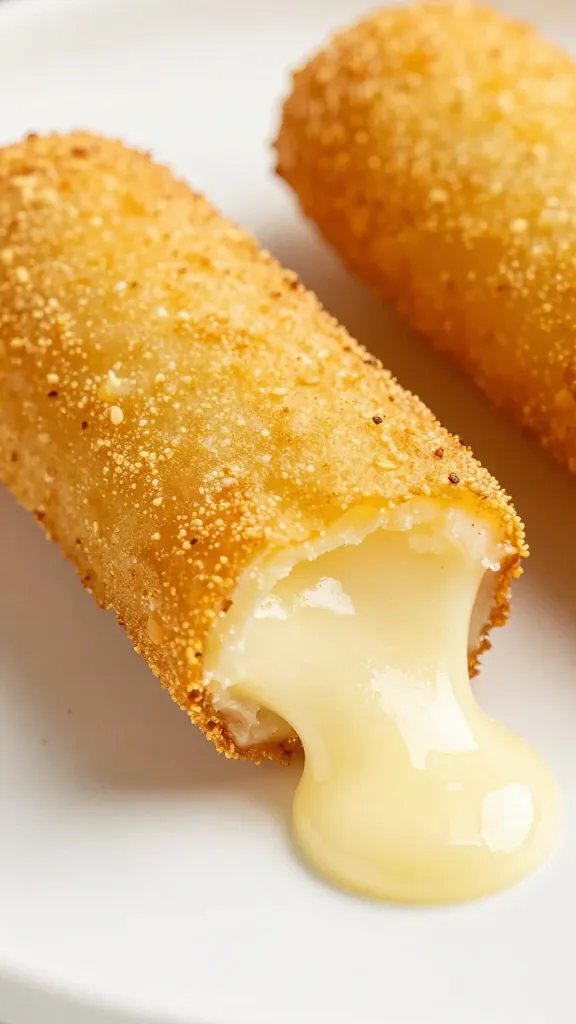
- Pull them at the first bead of cheese at an edge.
Notes
Choose the Right Mozzarella and Cut for Minimal Leaks
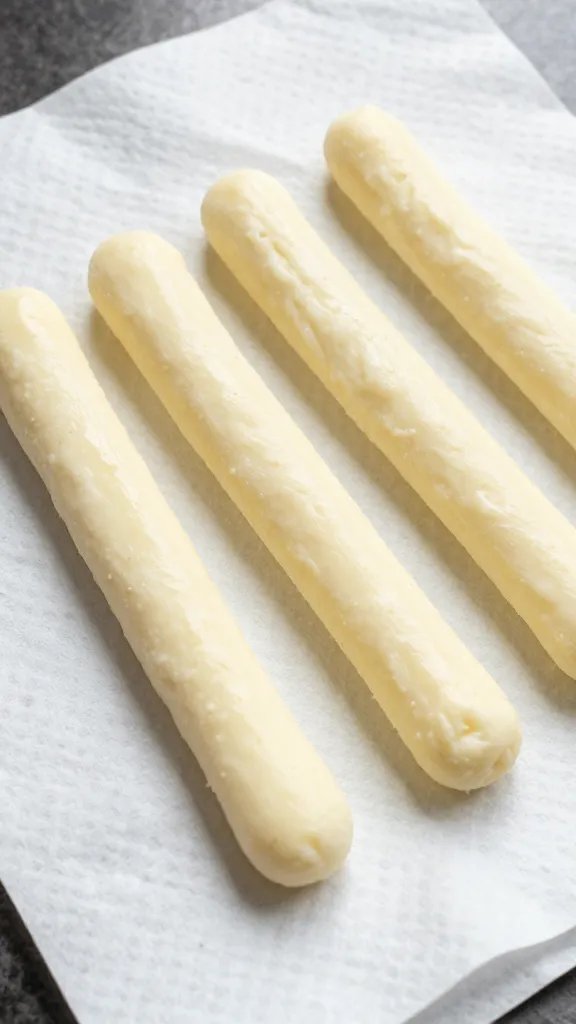
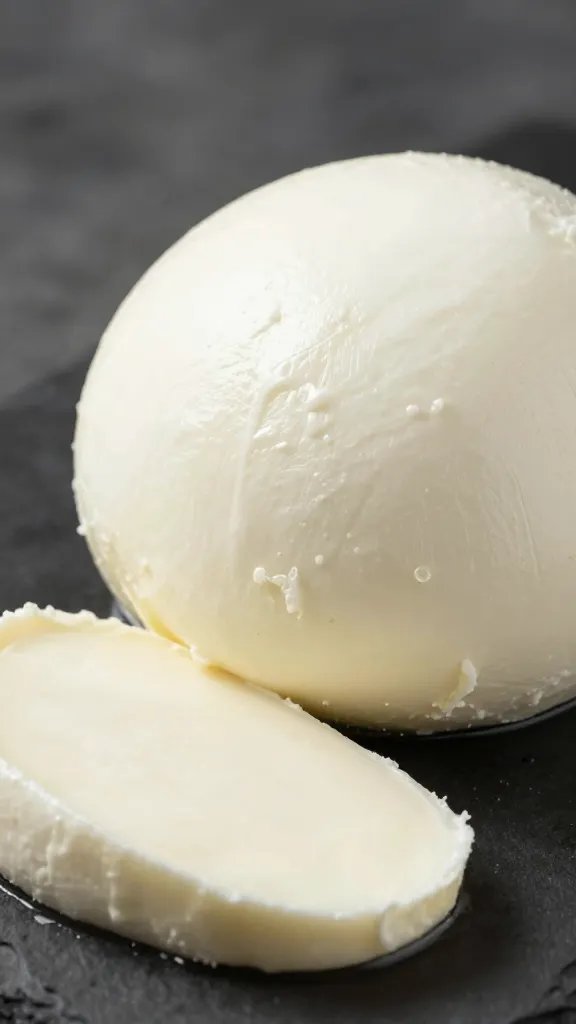
Use low-moisture, part-skim mozzarella sticks or a block, not fresh balls packed in brine. Fresh mozzarella releases too much water and blows out the crust.
If starting from a block, cut into sticks roughly 10 cm long by 1.5–2 cm thick. Thinner sticks melt too fast; thicker ones don’t heat through before the crust browns.
Pat the sticks dry with paper towels on all sides. A dry surface gives the egg a better grip, which keeps the almond coating sealed.
Action today: Open your cheese drawer and swap any fresh, watery mozzarella for low-moisture, part-skim before you start.
Build a Flavor-Forward Almond Crust That Browns Nicely
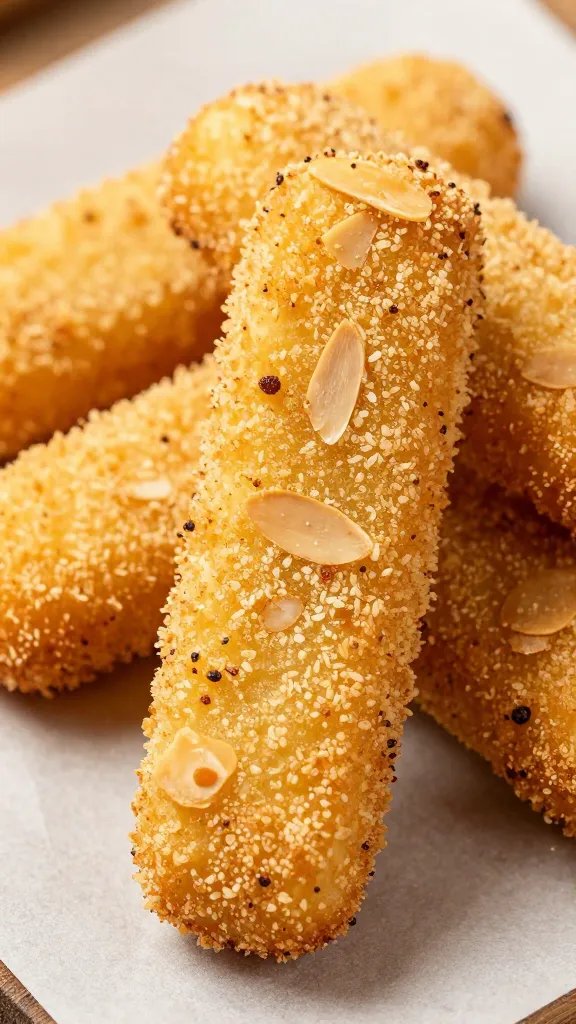
Finely ground almonds alone can taste flat and pale. Mix almond flour (super-fine) with almond meal (slightly coarser) for crunch and coverage.
For 12 sticks, whisk together: 3/4 cup almond flour, 1/4 cup almond meal, 1/4 cup finely grated Parmesan, 1 teaspoon garlic powder, 1 teaspoon onion powder, 1 teaspoon Italian seasoning, 1/2 teaspoon paprika, 1/2 teaspoon kosher salt, and 1/4 teaspoon black pepper.
Parmesan helps browning and adds a firm bite. Paprika improves color. Keep the mix in a shallow dish so you can press the coating on firmly.
Action today: Stir a spoon of grated Parmesan and a pinch of paprika into your almond mix to boost color and snap.
Triple-Dredge and Freeze: The Non-Negotiable Seal
A single dip won’t hold on melty cheese. Use a triple-dredge and a quick freeze to lock the crust in place.
Step-by-Step Coating
- Set up three dishes:
- Dish 1: 1/2 cup plain flour (use almond flour for gluten-free).
- Dish 2: 2 large eggs beaten with 1 tablespoon water.
- Dish 3: Your seasoned almond coating from above.
- Dust sticks in flour, shaking off excess.
- Dip in egg, let excess drip 3 seconds.
- Press into almond coating on all sides, ends included.
- Repeat egg and almond coating once more for a double coat.
- Place coated sticks on a parchment-lined tray and freeze 30–45 minutes until firm to the touch.
Warning signs: If you see cheese peeking through, patch with egg then almond mix before freezing.
Action today: Don’t skip the freeze—set a 35-minute timer; it prevents blowouts every time.
Bake or Air-Fry for Crunch Without Grease
You can fry in oil, but I get equal crunch with less mess using the oven or an air fryer. Light oil on the surface is the difference between dry crumbs and a crisp shell.
Oven-Baked Method
- Heat oven to 220°C (425°F). Place a wire rack over a baking tray for even airflow.
- Brush or spray the sticks lightly with oil on all sides.
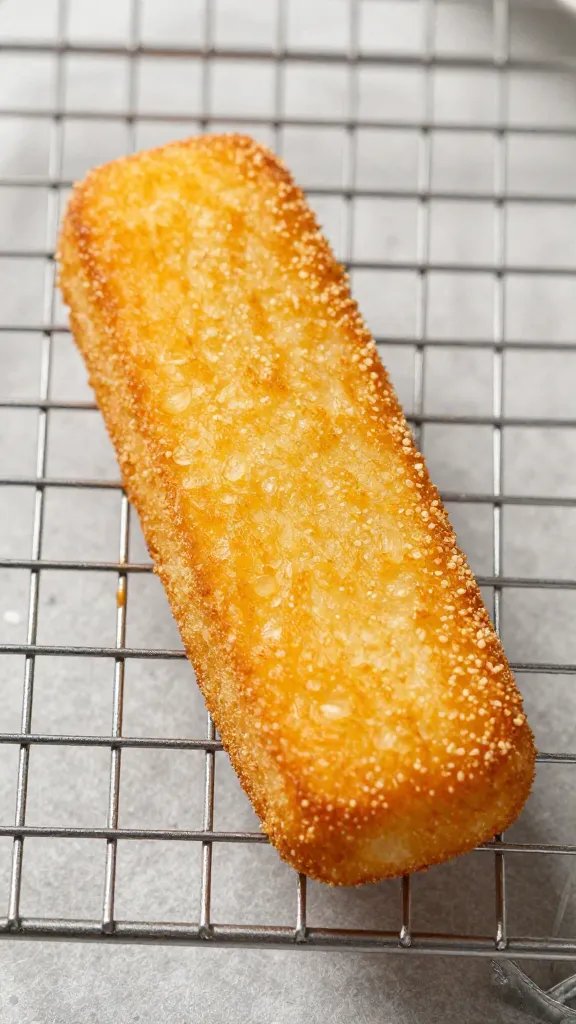
- Bake 10–12 minutes, turning at 6 minutes. Pull them when the crust is deep golden and you see the first small bead of cheese at an edge.
Air-Fryer Method
- Preheat to 200°C (400°F) for 3 minutes.
- Lightly oil the basket and the sticks. Space them with room to breathe.
- Cook 6–8 minutes, turning at 4 minutes. Watch closely in the last minute for leaks.
Action today: Put a wire rack on your tray before baking—better air circulation equals a crisp underside.
Oil-Fry Only If You Want Extra Shatter (and How to Keep It Clean)
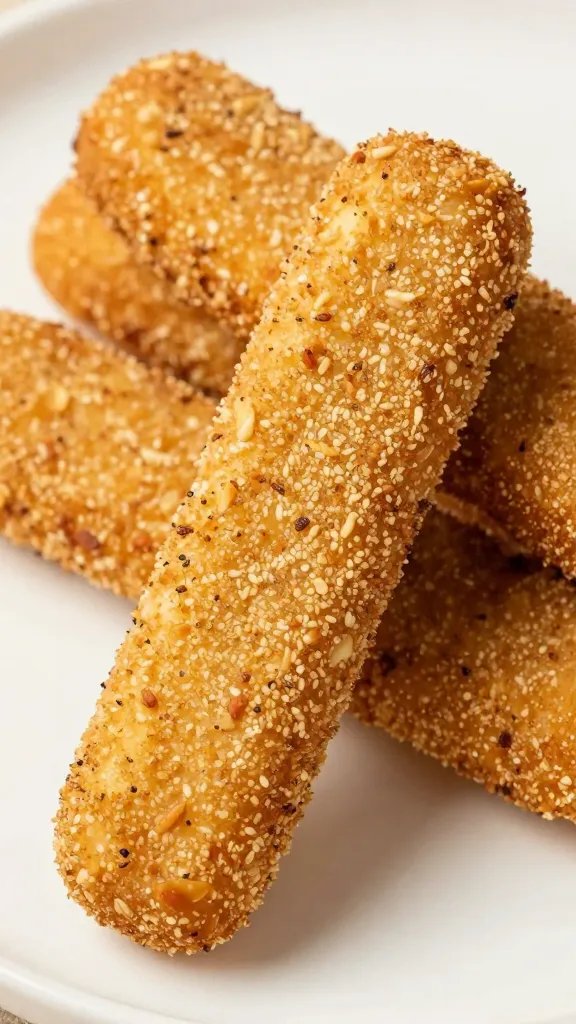
Shallow-fry in a skillet when you want the most dramatic crunch. Keep oil at a steady 175–180°C (350–360°F) and don’t overcrowd.
Use 1–1.5 cm of neutral oil in a heavy pan. Fry 45–60 seconds per side until golden, then drain on a rack. Salt while hot to lock in flavor.
If you lack a thermometer, test with a crumb: it should sizzle actively and brown in about 40 seconds without smoking.
Action today: Line a sheet pan with paper towels and place a rack on top before you fry—crisp sticks stay crisp when air can circulate.
Smart Dips and Finishes That Complement Almond
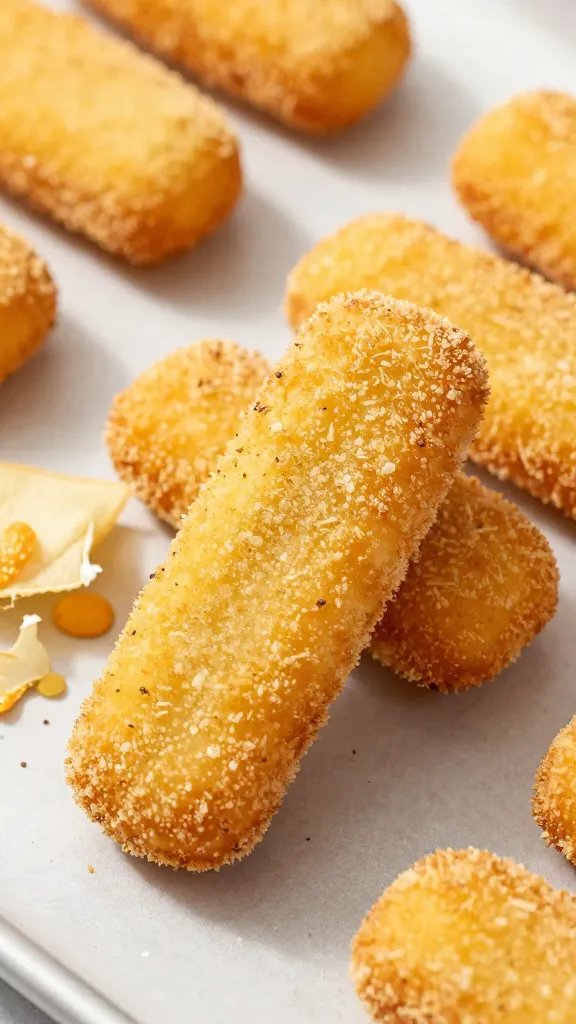
Tomato-heavy sauces love almond’s nuttiness. Warm marinara with a splash of olive oil and a pinch of chili flakes is classic and reliable.
For something brighter, stir together lemon-herb yogurt: 1/2 cup Greek yogurt, 1 teaspoon lemon zest, 1 tablespoon lemon juice, 1 tablespoon chopped parsley, and a pinch of salt.
Finish hot sticks with a dust of grated Parmesan and a scatter of chopped parsley. A drizzle of good olive oil adds gloss and aroma.
Action today: Warm your dipping sauce before the sticks go in the oven—hot-on-hot keeps the crust from softening.
Prep, Storage, and Reheating Without Sog
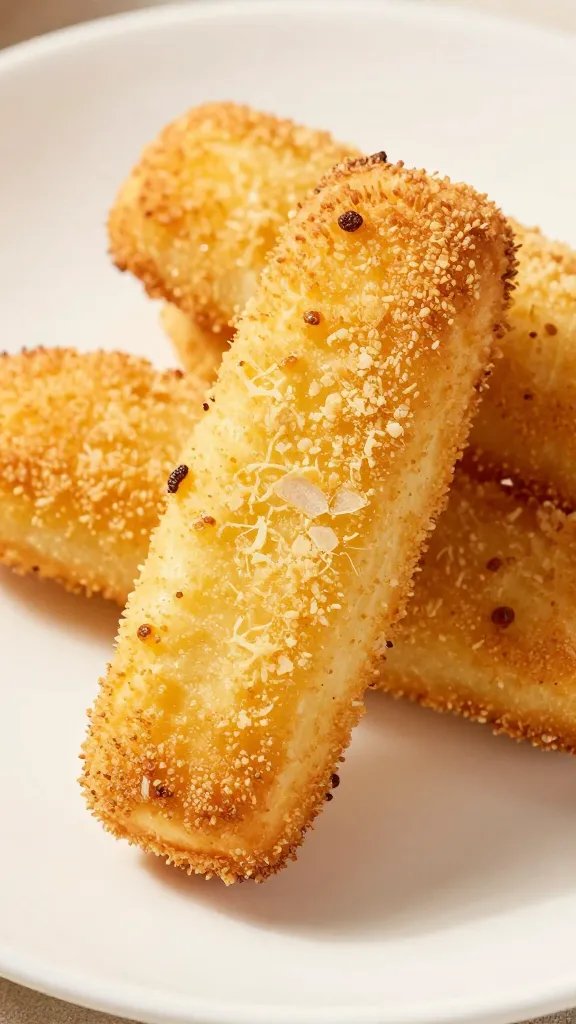
Coat and freeze sticks in a single layer, then bag them for up to 6 weeks. Label the bag so you don’t forget the bake times.
From frozen, bake at 220°C (425°F) for 12–14 minutes or air-fry at 200°C (400°F) for 7–9 minutes. No thawing—thawing invites leaks.
Leftovers reheat best in an air fryer at 180°C (350°F) for 3–4 minutes. Microwaves soften the crust; avoid them here.
Action today: Freeze a test batch of four sticks and note the exact time your oven needs—dial in your personal “pull point.”
Frequently Asked Questions
Can I make these completely gluten-free?
Yes. Swap the initial flour dusting for almond flour or a 1:1 gluten-free blend and keep the almond coating as written. The key is still the triple-dredge and freeze. If your GF blend is very fine, add an extra tablespoon of Parmesan to help browning.
Why does my coating fall off when I turn the sticks?
The sticks likely weren’t dry, or you skipped the second coat or freeze. Pat the cheese fully dry, press the almond coating on firmly, and freeze at least 30 minutes. When turning, use a thin spatula and roll gently onto the next side rather than lifting straight up.
How do I stop the cheese from blowing out?
Use low-moisture mozzarella and freeze before cooking. Bake hot and fast—220°C (425°F) in the oven or 200°C (400°F) in the air fryer—so the crust sets before the center liquefies. Pull them the moment you see a tiny bead of cheese; waiting longer guarantees leaks.
Can I flavor the almond crust differently?
Absolutely. Swap Italian seasoning for 1 teaspoon smoked paprika and 1/2 teaspoon cumin for a smoky profile, or add 1 teaspoon dried basil and lemon zest for a brighter finish. Keep the Parmesan in place to aid browning and structure. Avoid wet add-ins that make clumps.
What oil should I use if frying?
Choose a neutral, high-heat oil like canola, sunflower, or refined peanut oil. Heat to 175–180°C (350–360°F) and maintain that range; too cool equals greasy crust, too hot scorches almonds. Work in small batches so the oil temperature doesn’t crash.
Can I use fresh mozzarella if that’s all I have?
It’s possible but risky. Cut thick sticks, pat them very dry, and dust with cornstarch before dredging to absorb surface moisture. Freeze at least 60 minutes and bake on the higher end of the timing. Expect more leaks and a softer center compared to low-moisture cheese.
Conclusion
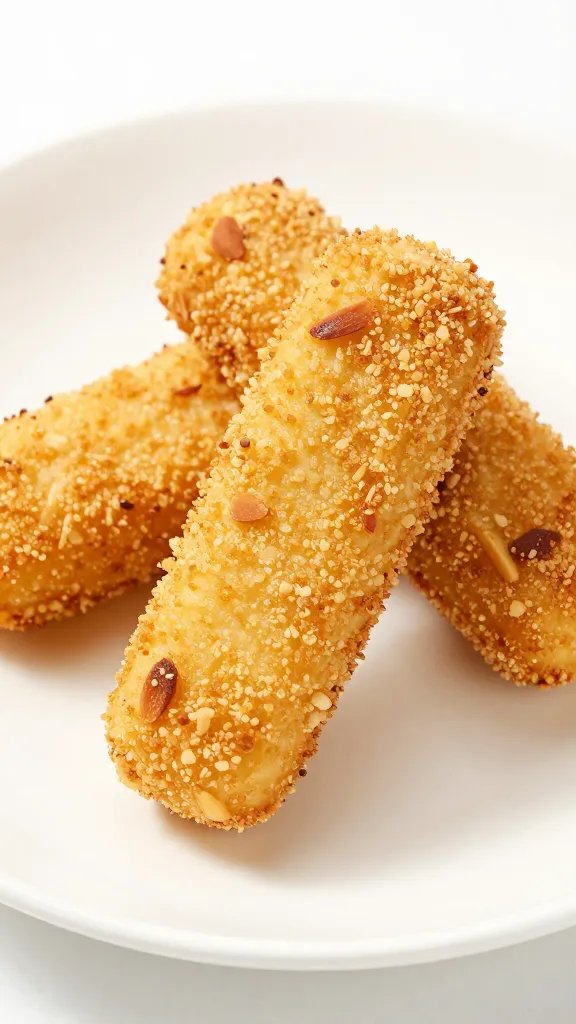
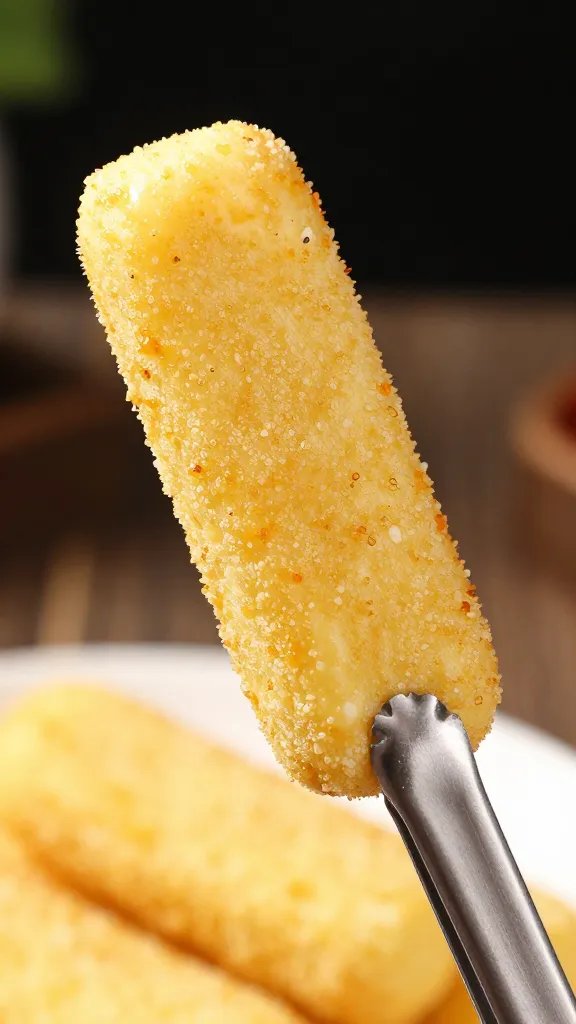
You now have the exact sequence that makes almond-crusted mozzarella sticks crisp outside and molten inside: dry cheese, double coat, firm freeze, and hot, brief cooking. Set up your dredging line once, freeze a tray, and you’ll have weeknight snacks ready in the time it takes to warm marinara. If you’re ready to keep going, make a second batch with a different seasoning and note which timing hits your perfect pull point—your future self will thank you when guests drop by.
Printable Recipe Card
Want just the essential recipe details without scrolling through the article? Get our printable recipe card with just the ingredients and instructions.