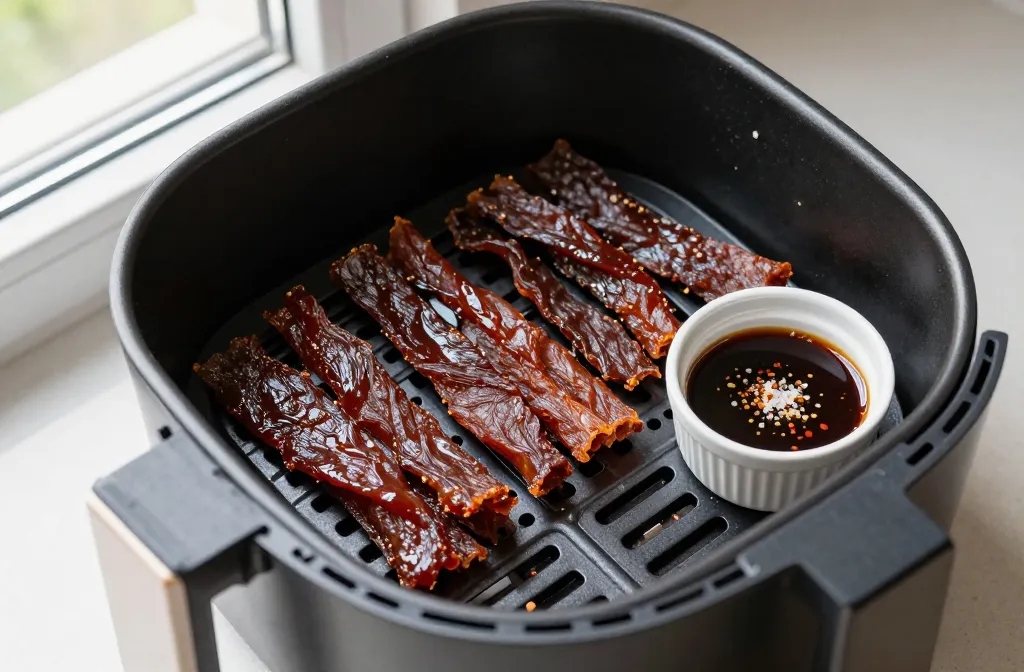
I learned to make jerky in a small apartment with a temperamental oven and neighbors who did not love the lingering smell. The air fryer fixed both problems: it dries strips evenly, runs cooler, and finishes in an afternoon instead of overnight. In this guide, I’ll show you exactly how to prep, marinate, and dry beef jerky strips in a standard basket air fryer. You’ll avoid the chewy-raw centers, burnt tips, and food-safety doubts that ruin first batches.
Pick the Right Cut and Slice It for Even Drying
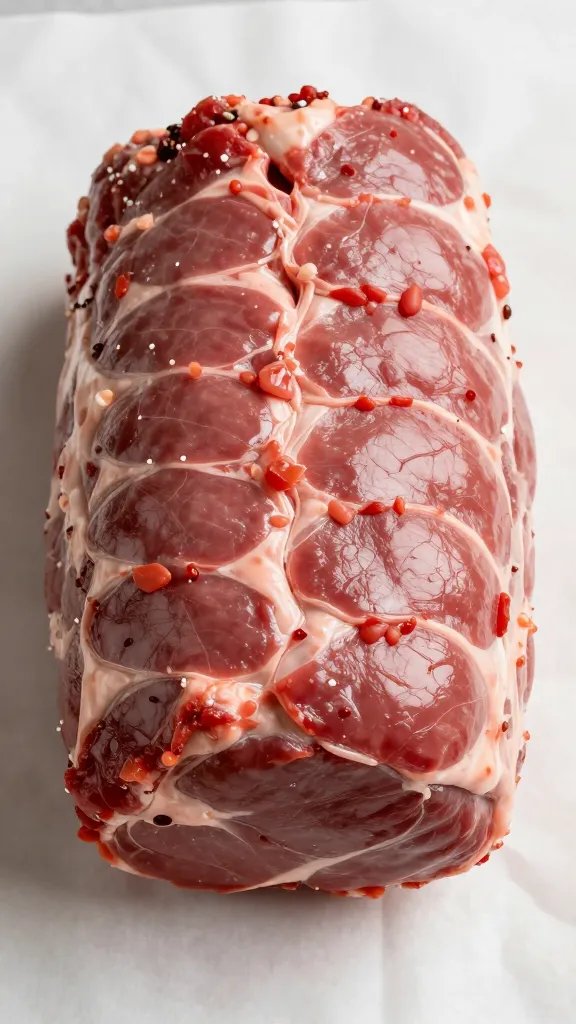
Good jerky starts with lean beef. I use top round, eye of round, sirloin tip, or flank. Fat goes rancid and makes strips spoil faster, so trim off every visible seam of fat before slicing.
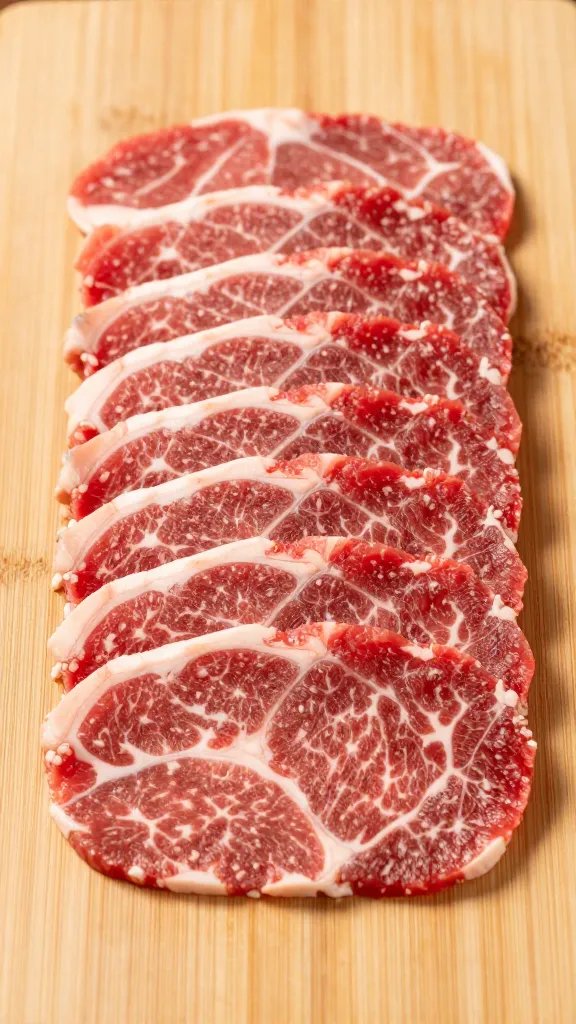
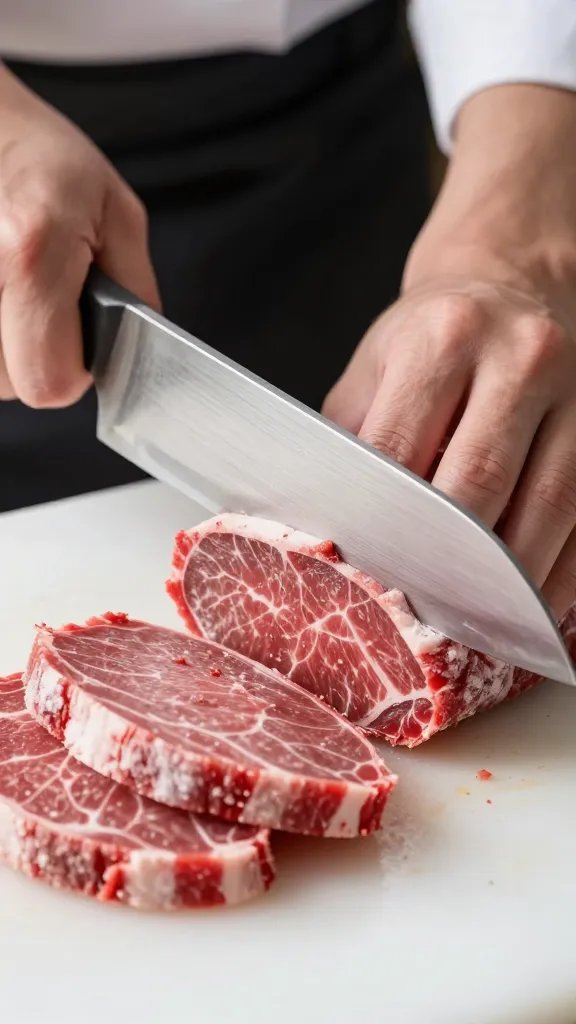
Freeze the roast for 45–60 minutes until firm but not rock-hard. Slice with the grain for chewier strips or across the grain for a softer bite. Aim for 1/8–1/4 inch (3–6 mm) thick, all the same thickness so they dry at the same rate.
Action today: Put the beef in the freezer now and set a 45-minute timer so slicing is clean and consistent.
Marinade That Seasons and Protects
Seasoning does more than add flavor; salt draws out moisture and helps keep the jerky safe. I use a simple base you can mix with pantry items:
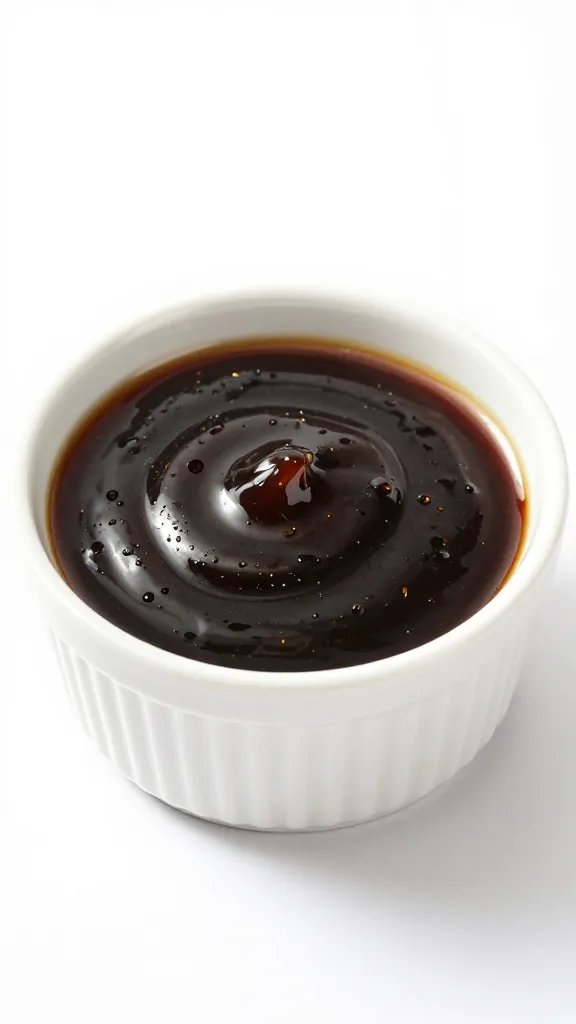
- 1/3 cup soy sauce
- 1/3 cup Worcestershire
- 1 tablespoon brown sugar or honey
- 1 teaspoon kosher salt
- 1 teaspoon black pepper
- 1 teaspoon garlic powder
- 1/2 teaspoon onion powder
- Optional: 1 teaspoon smoked paprika or 1/2 teaspoon chili flakes
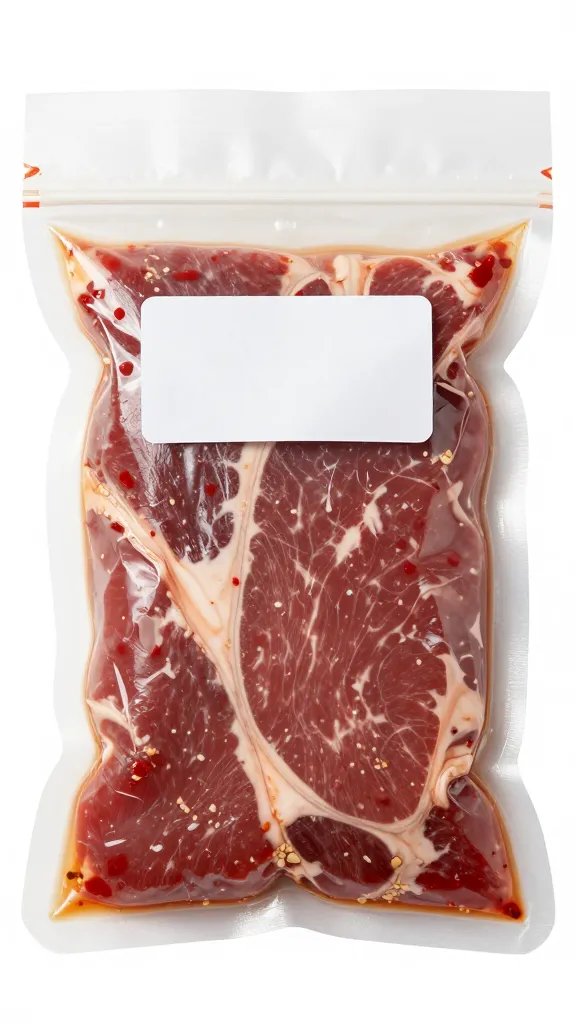
Toss the slices to coat every surface. Marinate in a zip-top bag with as much air pressed out as possible for 6–12 hours in the fridge. More than 24 hours makes the texture rubbery.
Action today: Mix the marinade in a bowl before you start slicing so the beef can go straight in and you don’t skip this step.
Pat Dry and Pre-Dry: The Step That Prevents Steaming
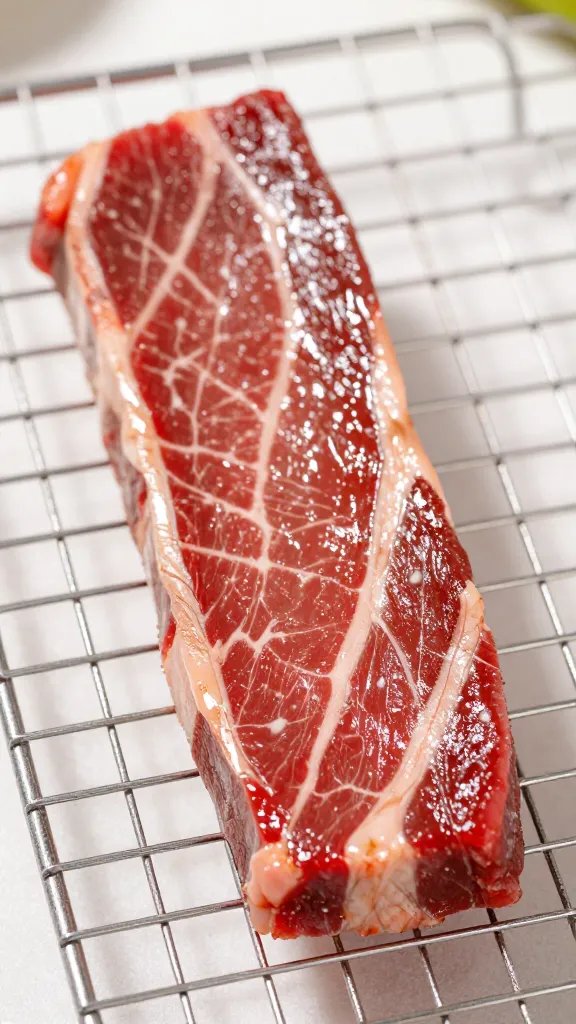
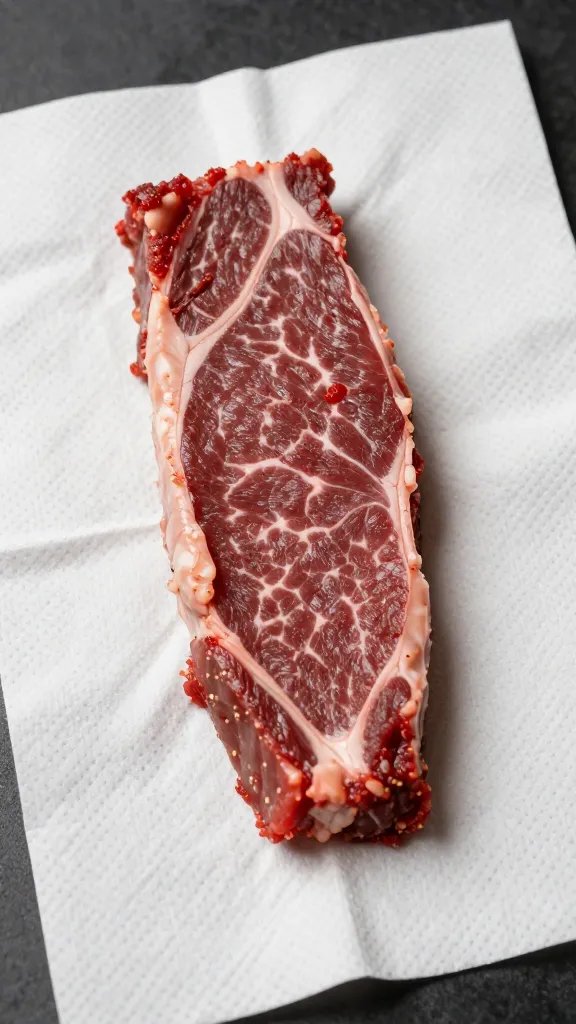
Wet strips steam before they dry, which leads to tough exteriors and under-dried centers. Lay the marinated beef on paper towels and press firmly with more towels on top to remove surface moisture. Take 2–3 minutes; it matters.
Preheat the air fryer for 3 minutes at 180°F–200°F (82°C–93°C) if your model allows it. If your unit’s lowest setting is higher, we’ll adjust with door-venting below.
Action today: Line a tray with paper towels and make drying part of your setup before you touch the air fryer.
Set Up the Air Fryer for Gentle, Even Drying
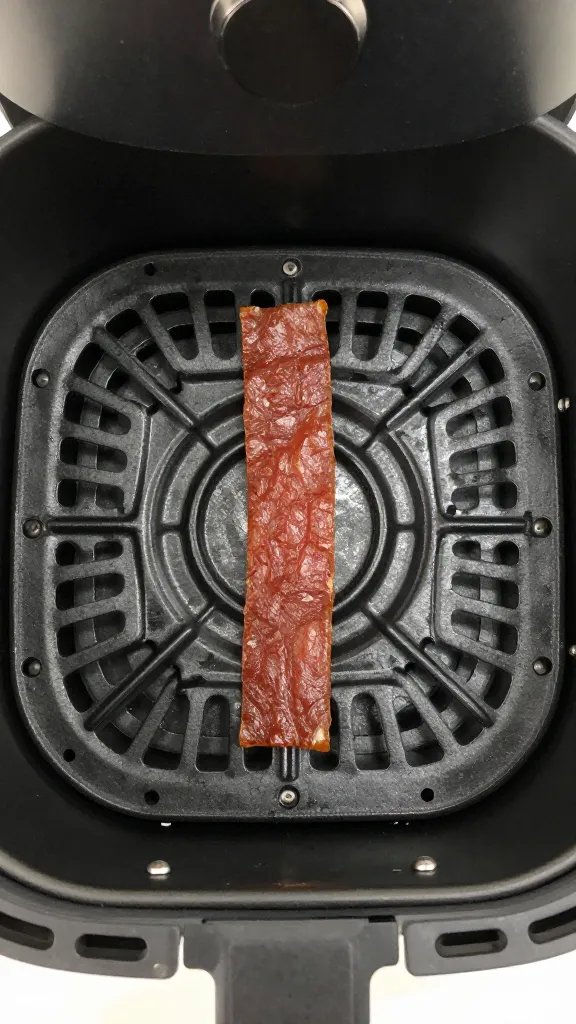
Jerky needs airflow and low heat. Most basket air fryers run hotter than their display. Keep the temperature low and improve airflow with spacing.
- Temperature: Set to 175°F–185°F (79°C–85°C). If the lowest is 200°F, crack the door by inserting a folded strip of foil at the top corner to vent heat.
- Basket layout: Lay strips in a single layer with no overlap. Use a light spray of oil on the basket only if sticking is a problem; do not oil the meat.
- Airflow boosters: If you have a wire rack insert from a toaster oven that fits, use it to create a second layer with 1–2 inches of space. Otherwise, dry in batches.
Action today: Cut a small piece of foil now to act as a door prop if your air fryer runs hot; you’ll use it the moment you see tips browning too fast.
Drying Timeline and Doneness Tests You Can Trust
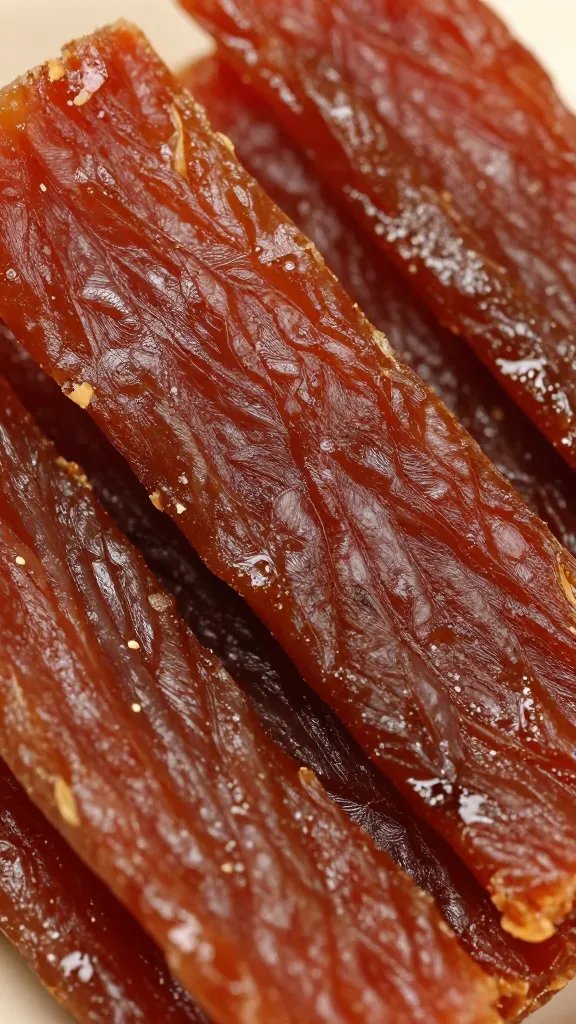
Drying time depends on thickness, moisture, and your machine’s true temperature. Expect 2.5–4.5 hours total. Start checking at 90 minutes.
- Dry at 175–185°F for 60 minutes. Don’t open during the first hour.
- Flip strips and rotate the basket. Continue in 20–30 minute intervals.
- When close, test a strip: bend it 90 degrees. It should crack along the surface fibers but not snap. Squeeze firmly; no surface moisture should bead up.
- If tips brown before centers dry, lower temp by 10°F or vent the door slightly.
Warning Signs and Fixes
- Case-hardening (dark, hard outside; soft inside): Temperature is too high. Lower 10–20°F and vent the door for the rest of the batch.
- Greasy sheen: Too much fat in the cut or strips sliced with fat cap. Blot with paper towels mid-dry and plan a leaner cut next time.
- Sticky surface after 3+ hours: Strips were too thick or stayed wet. Pat drier next time; for this batch, keep going until the bend-crack test passes.
Action today: At the 90-minute mark, perform your first bend test and write down the time; use that as your checkpoint for future batches.
Food Safety: Heat, Dryness, and Storage That Keeps Flavor
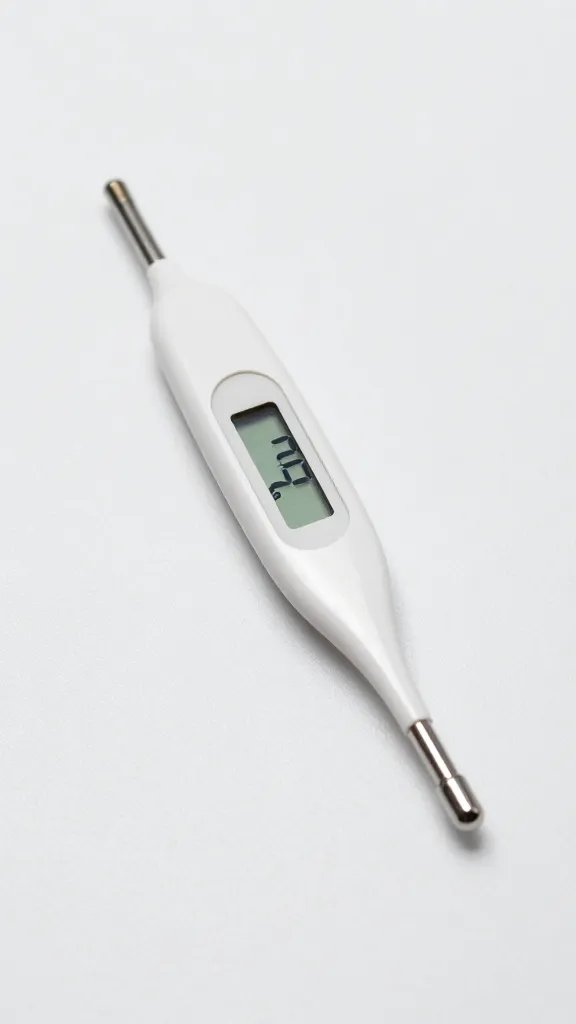
Jerky is safe when you both pasteurize and dry. Two easy options without special gear:
- Preheat method: Before drying, place strips on a baking sheet and bake at 275°F (135°C) for 10 minutes until they reach an internal 160°F (71°C), then move to the air fryer to dry.
- Finish-hot method: Dry in the air fryer until nearly done, then raise to 200°F (93°C) for 10 minutes to ensure 160°F internal, and let finish drying back at 175–185°F if needed.
Cool strips on a rack for 30 minutes. Bag loosely with a paper towel and refrigerate overnight to let moisture equalize. Store in airtight jars or bags with as much air pressed out as possible.
- Room temp: Up to 1 week if very dry and lean.
- Fridge: 2–3 weeks.
- Freezer: 3–6 months in freezer bags; label and date.
Action today: Set out a cooling rack before you start drying so the jerky can cool and equalize correctly.
Flavor Variations That Work in an Air Fryer
Bold flavors hold up best through drying. Keep sugar under 2 tablespoons per pound to avoid scorching.
- Peppered: Press cracked black pepper onto both sides right before drying.
- Teriyaki: Swap half the soy for teriyaki sauce; add 1 teaspoon grated ginger.
- Smoky: Add 1 teaspoon liquid smoke to the marinade or 1 teaspoon smoked paprika.
- Chili-lime: Add 1 teaspoon chili powder and zest of 1 lime; finish with a light squeeze of lime during cooling.
Action today: Divide your next batch in half and season one portion differently so you learn which profile you like without guessing.
Troubleshooting Common Air Fryer Constraints
Small baskets mean batch cooking. That’s fine—consistent results beat crowded, uneven drying. Keep pieces uniform and resist stacking.
If your model won’t go below 200°F, vent the door with folded foil or a wooden spoon handle and check every 20 minutes after the first hour. If edges still over-brown, drop to the warm setting between 160–170°F and extend time.
Action today: Do a dry run: preheat your empty air fryer at the planned setting for 10 minutes and use an inexpensive oven thermometer to learn how hot it actually runs.
Frequently Asked Questions
Do I need a dehydrator to make beef jerky strips?
No. A standard air fryer set to 175–185°F with good airflow dries jerky reliably. Keep strips in a single layer, pat them dry before loading, and plan for 2.5–4.5 hours. Use the bend-crack test to confirm doneness. Preheat or finish-hot to ensure the meat reaches 160°F at least once.
How thick should I slice the beef for the best texture?
Slice 1/8–1/4 inch (3–6 mm). Thinner dries faster and chewier; thicker stays meatier but takes longer. Keep thickness consistent across the whole batch so you don’t end up with a mix of brittle and under-dried pieces. Partially freeze the meat for 45–60 minutes to get even slices.
Why are my jerky strips turning dark and hard on the outside?
That’s case-hardening from too much heat or wet surfaces. Lower the air fryer to 175–185°F and crack the door to vent heat. Always blot marinade off the meat before drying, and avoid piling strips. Flip and rotate every 20–30 minutes once past the first hour.
How do I store jerky so it doesn’t mold?
Cool on a rack for 30 minutes, then refrigerate overnight in a loosely sealed bag with a paper towel to equalize moisture. Move to an airtight bag or jar and keep in the fridge for 2–3 weeks, or freeze for 3–6 months. If you want pantry storage for a week, dry the jerky to a firm bend-crack and keep it in a sealed container in a cool, dark place.
Can I use ground beef in an air fryer for jerky?
Yes, but choose 93% lean or leaner and use a jerky gun or press to form uniform 1/8–1/4 inch strips. Ground beef dries faster but needs extra attention to food safety—use the finish-hot step to hit 160°F, and blot surface fat during drying. Expect 2–3 hours total time.
Is sugar necessary in the marinade?
No, but a small amount (1 tablespoon per pound) balances salt and helps browning without burning. If you prefer no sugar, reduce temperature to the lower end (175°F) and extend time. For sticky glazes, brush them on in the final 20–30 minutes only.
Conclusion
You can turn a basic air fryer into a dependable jerky setup with lean cuts, even slices, low heat, and patient checks. Start with one pound of top round, the simple marinade above, and plan a 3-hour window this weekend. Once you learn your air fryer’s true temperature and timing, you’ll repeat batches on autopilot with the texture you prefer—every time.