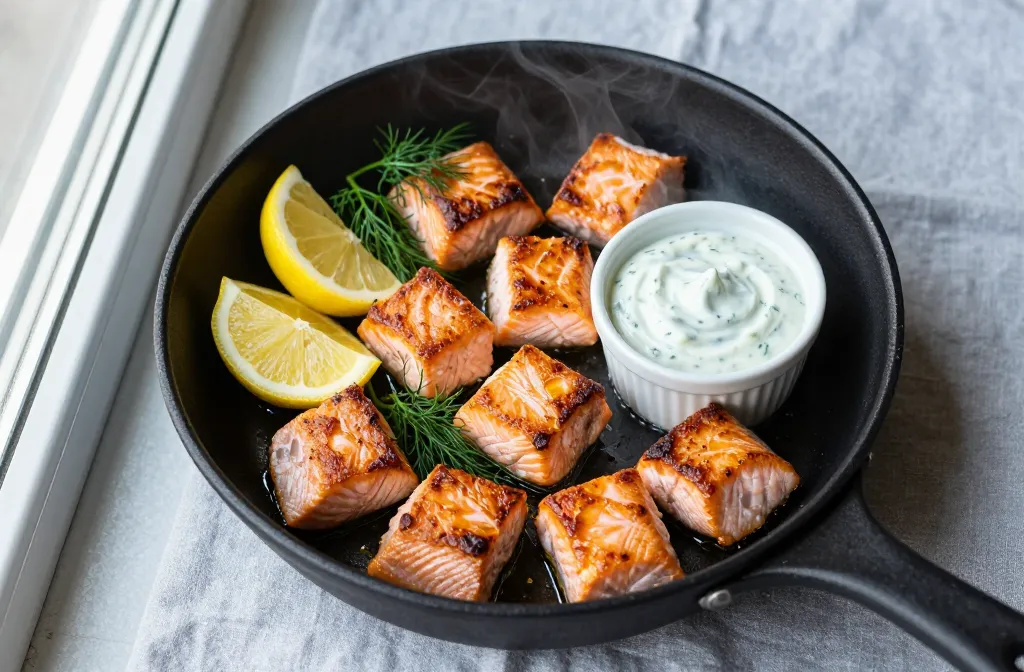
I started making salmon bites for small balcony gatherings when I needed a quick, reliable appetizer that didn’t smoke up the kitchen. The first batch tasted flat and soggy because I rushed the marinating and crowded the pan. After refining the steps, I now get golden edges, tender centers, and a clean dill-lemon snap every time. In this guide, I’ll show you exactly how to shop, prep, and cook salmon bites with household tools so they turn out restaurant-good without fuss.
Buy the Right Salmon and Trim It for Even Cooking
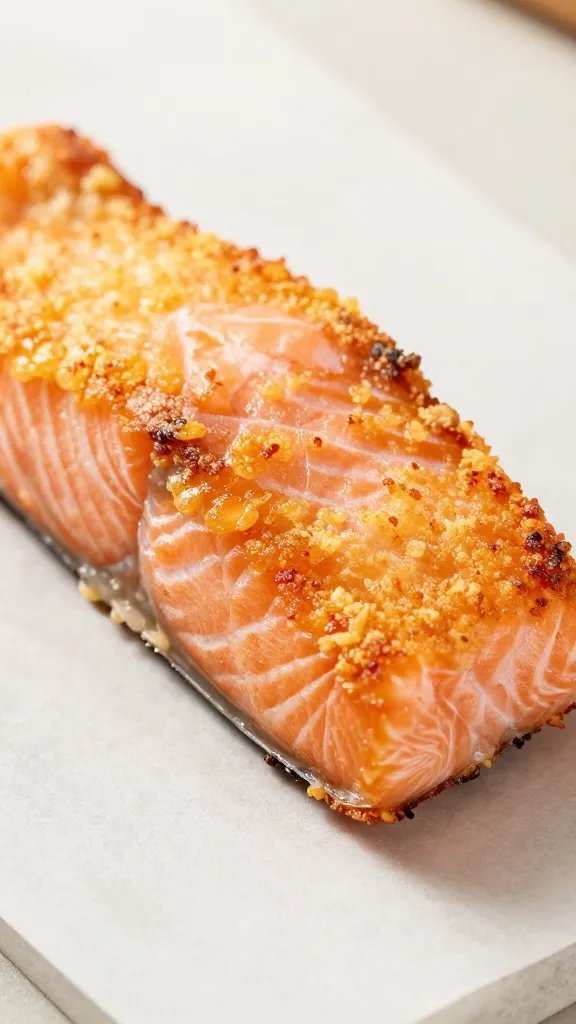
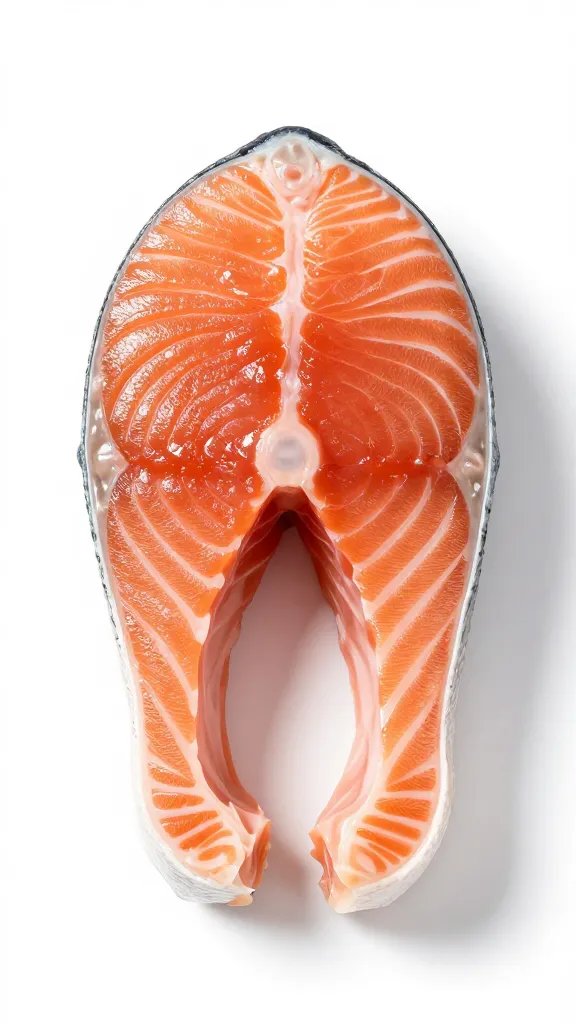
Uniform cubes cook evenly and stay juicy. I buy a skin-on center-cut fillet about 1 to 1.5 inches thick and ask the fish counter to remove pin bones.
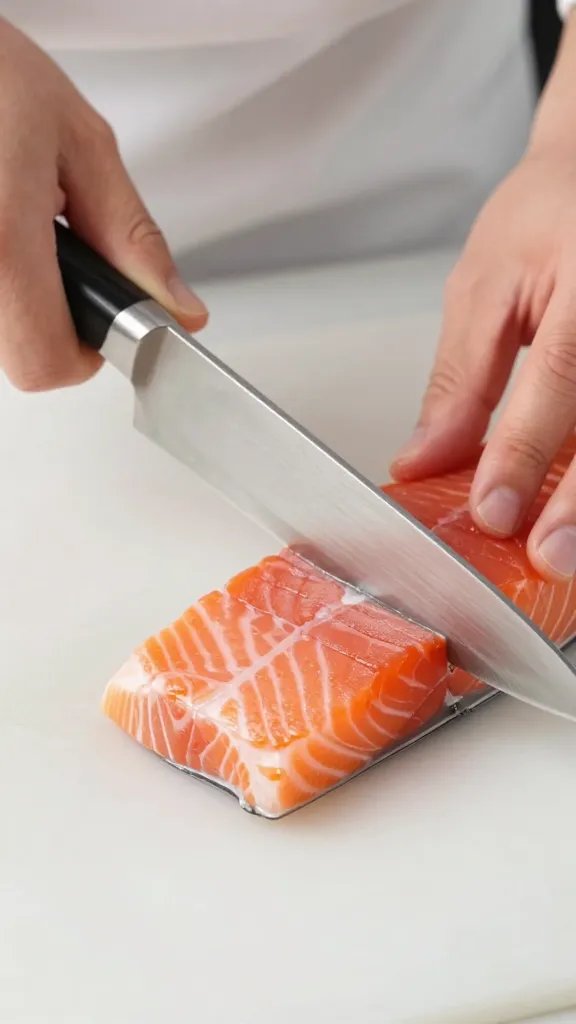
At home, I slice off the thin tail end and save it for a quick scramble. Then I cut the thick, even portion into 1-inch cubes so they brown outside and stay tender inside in 8–10 minutes.
Warning Signs You Picked the Wrong Cut
- Very thin tail pieces: These overcook and dry out before the rest finishes.
- Strong fishy smell: Fresh salmon smells clean and slightly briny, not pungent.
- Sticky surface or dull color: Look for moist, firm flesh with vibrant color.
Action today: When you shop, ask for a 1–1.5 inch-thick center-cut fillet and have them remove pin bones — it takes 30 seconds and saves you from tearing cubes later.
Marinate for Flavor Without Turning Mushy
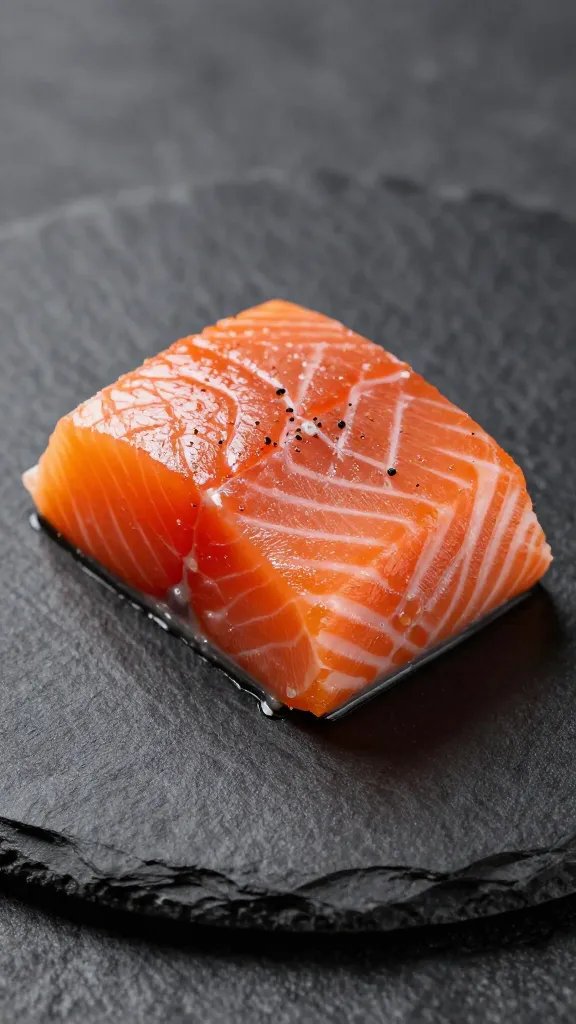
Lemon adds brightness, but too much acid for too long makes salmon chalky. I keep the marinade short and balanced so the fish stays silky.
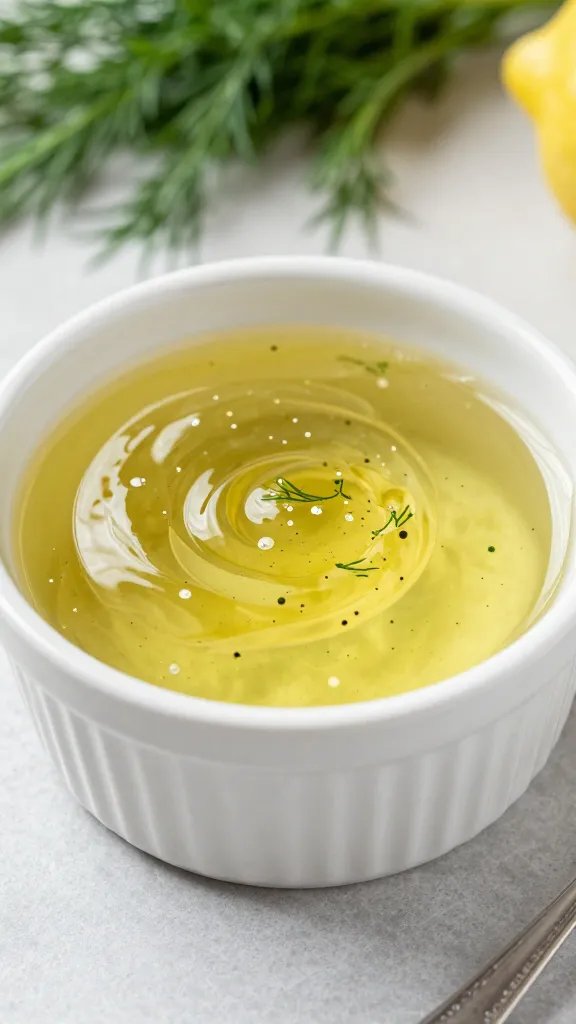
In a bowl, whisk: 2 tablespoons olive oil, 1 tablespoon lemon juice, 1 teaspoon lemon zest, 1 small garlic clove minced, 1 teaspoon Dijon, 3/4 teaspoon fine salt, 1/2 teaspoon black pepper, and 1 tablespoon finely chopped fresh dill.
Step-by-Step: The 15-Minute Cure
- Pat the salmon cubes dry with paper towels until they feel tacky, not wet.
- Toss gently with just enough marinade to coat — about 2 tablespoons per pound of salmon.
- Rest 10–15 minutes at room temperature. Do not exceed 20 minutes with lemon juice in the mix.
Takeaway: Keep marinating to 15 minutes max with acid; longer sits belong to oil-only marinades.
Get Crisp Edges: Choose the Right Heat and Pan
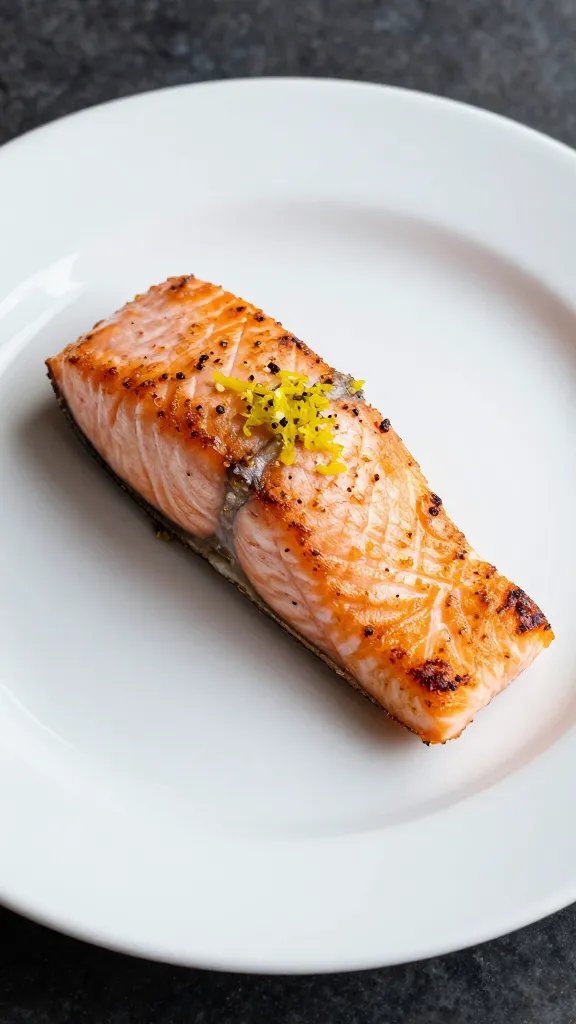
High, steady heat creates browned edges and juicy centers. I use a heavy skillet (cast iron or a solid stainless pan) so heat doesn’t drop when the fish hits the surface.
Preheat the pan for 3 minutes over medium-high. Add 1 tablespoon neutral oil with a high smoke point (canola, avocado, or sunflower). When the oil looks shimmery and a salmon cube sizzles on contact, you’re ready.
Step-by-Step: Pan-Sear Method
- Arrange cubes with a little space between each — no crowding. Work in two batches if needed.
- Sear 2–3 minutes without moving to build a crust.
- Flip with a thin spatula or tongs; cook 2–3 minutes more.
- Turn heat to medium; add a small knob (1/2 tablespoon) of butter and 1 teaspoon chopped dill. Toss 30 seconds.
Action today: Heat your empty pan until a drop of water flicks and skitters; then add oil and start searing — that one check guarantees crisp edges.
Oven and Air Fryer Options That Don’t Smoke Out Your Kitchen
When I’m cooking for a crowd, I bake or air fry to keep the stovetop free and cleanup easy. The goal stays the same: hot, dry heat and space between cubes.
Oven (Sheet Pan) Method
- Preheat to 450°F (232°C). Line a sheet with foil and a lightly oiled rack on top.
- Arrange cubes 1 inch apart. Bake 8–10 minutes, turning once at 6 minutes for even browning.
- Finish with a 1–2 minute broil if you want extra color. Watch closely.
Air Fryer Method
- Preheat to 400°F (204°C) for 3 minutes. Lightly oil the basket.
- Arrange in a single layer with gaps. Cook 6–8 minutes, shaking once at halfway.
- Toss with a teaspoon of melted butter and dill after cooking.
Takeaway: Keep space between bites — crowded trays steam instead of crisp.
Finishers: Dill, Lemon, and a Clean, Balanced Bite
I layer dill and lemon three ways for depth without harshness. Zest in the marinade, fresh dill and a dot of butter at the end, and lemon wedges for serving so guests control brightness.
For a clean finish, I add a small pinch of salt right after cooking and a light drizzle of olive oil if the cubes look dry. A dusting of crushed red pepper wakes up the richness.
Simple Serving Ideas
- Party bites: Toothpicks, lemon wedges, extra dill.
- Quick dinner: Pile over a store-bought slaw dressed with lemon and yogurt.
- Grain bowl: Serve over warm rice with cucumber, herbs, and a spoon of tzatziki.
Action today: Save a lemon for the table — squeezing right before eating keeps the flavor bright and avoids over-acidifying during cooking.
A Reliable, Repeatable Recipe You Can Memorize

This is the base recipe I use on weeknights and for guests. It scales cleanly and uses only garden-centre-level herbs and pantry staples.
Ingredients (Serves 4 as Appetizer, 2 as Main)
- 1 lb salmon fillet, center-cut, skin removed, cut into 1-inch cubes
- 2 tbsp olive oil, plus 1 tsp for the pan
- 1 tbsp lemon juice + 1 tsp lemon zest
- 1 small garlic clove, minced
- 1 tsp Dijon mustard
- 1 tbsp fresh dill, finely chopped, plus more to finish
- 3/4 tsp fine salt; 1/2 tsp black pepper
- 1/2 tbsp butter (optional, for finishing)
- Lemon wedges, to serve
Method
- Pat salmon dry. Whisk oil, lemon juice, zest, garlic, Dijon, dill, salt, and pepper.
- Toss salmon with just enough marinade to coat; rest 10–15 minutes.
- Preheat a heavy skillet over medium-high for 3 minutes; add 1 tsp oil.
- Sear salmon 2–3 minutes per side until golden and just opaque in the center.
- Add butter and a pinch of dill; toss 30 seconds. Taste and add a small pinch of salt.
- Serve immediately with lemon wedges and extra dill.
Takeaway: Remember 1-inch cubes, 15-minute marinade, and 2–3 minutes per side — that trio delivers consistent results.
Common Pitfalls That Ruin Texture and Flavor

Too much lemon too early: More than 1 tablespoon per pound or over 20 minutes in acid turns the surface chalky. Keep acid brief and finish with fresh wedges.
Wet fish on a cold pan: Moisture blocks browning and creates sticking. Dry the cubes thoroughly and preheat until oil shimmers.
Overcrowding: Steaming instead of searing leads to pale, soft bites. Cook in batches if your pan is smaller than 10 inches.
Action today: Before you start, lay out paper towels, preheat the pan, and plan for two quick batches — it prevents all three problems at once.
Frequently Asked Questions
Can I use frozen salmon for salmon bites?
Yes. Thaw it overnight in the fridge in a covered container, then pat very dry before cutting. If you’re short on time, place the sealed fillet in a bowl of cold water for 30–40 minutes, changing the water once. Avoid microwaving to defrost; it partially cooks the edges and ruins texture.
What if I don’t have fresh dill?
Use 1 teaspoon dried dill for the marinade and skip adding it at the end. Dried dill is more concentrated, so keep it light. For a fresh finish, add chopped parsley or chives after cooking and serve with lemon wedges to restore brightness.
How do I know when the salmon is done?
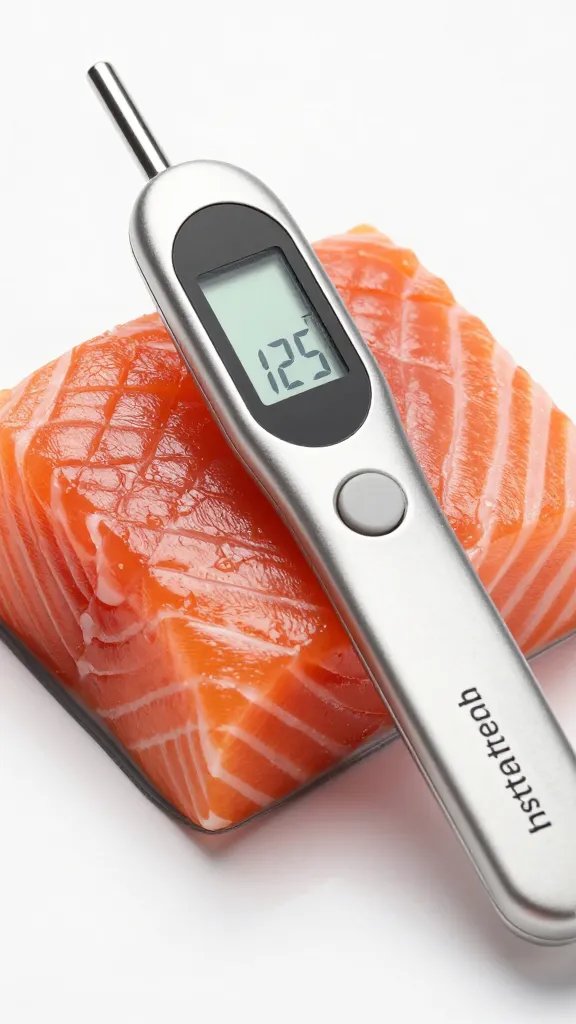
The cubes should be opaque on the outside with a slight translucent center and flake under gentle pressure. If you use a thermometer, pull at 120–125°F for medium and 130°F for fully cooked. Rest 2 minutes off heat; carryover brings the texture together without drying.
Why do my salmon bites stick to the pan?
Sticking happens when the pan isn’t hot enough or the surface is wet. Preheat for a full 3 minutes, add oil, and wait for a shimmer before adding salmon. Leave the cubes undisturbed for the first 2–3 minutes; they naturally release when a crust forms.
Can I make these ahead for a party?
Cook them up to 2 hours in advance and keep at room temperature, then rewarm 3–4 minutes in a 350°F oven. Add fresh dill and a squeeze of lemon after reheating to revive flavor. For the crispest edges, cook right before guests arrive and hold them on a wire rack.
What sauces pair well with dill and lemon?
Stir together 1/2 cup Greek yogurt, 1 teaspoon Dijon, 1 teaspoon lemon zest, 1 tablespoon chopped dill, and a pinch of salt for a fast dip. A light drizzle of honey-mustard or a caper-studded tartar also works. Keep sauces tangy, not sweet, so they lift the salmon instead of masking it.
Conclusion

You now have a repeatable process: even cubes, a short dill-lemon marinade, hot pan, and a fresh finish. Cook a test batch this week, write down your exact timings on your stove, and you’ll lock in a personal template you can scale for guests or weeknights without guesswork. Next step: try the same method with trout or cod bites and compare — the technique stays the same, and your confidence grows with it.