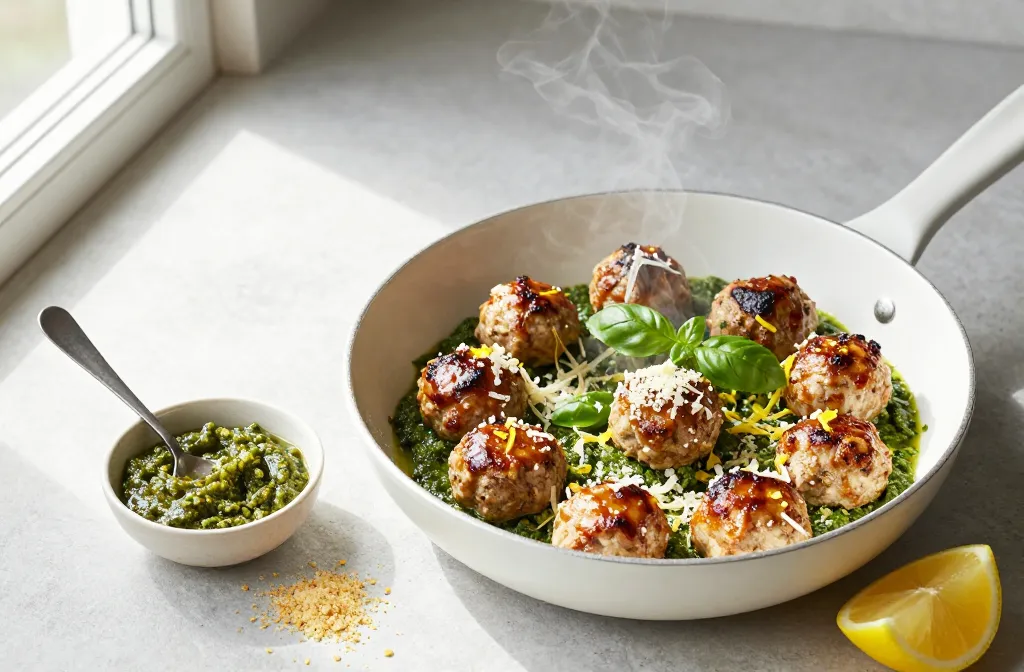
I started making turkey meatballs pesto on cramped weeknights when I wanted something lighter than red sauce but still satisfying. If your turkey meatballs turn out dry or your pesto goes bitter, I’ve been there — and fixed it with a few small tweaks. In this guide, I’ll show you how to get tender, juicy meatballs, a vibrant pesto that stays green, and a clean workflow that fits a tiny kitchen. You’ll learn exact ratios, timings, and supermarket swaps that work every single time.
The Core Formula For Tender Turkey Meatballs
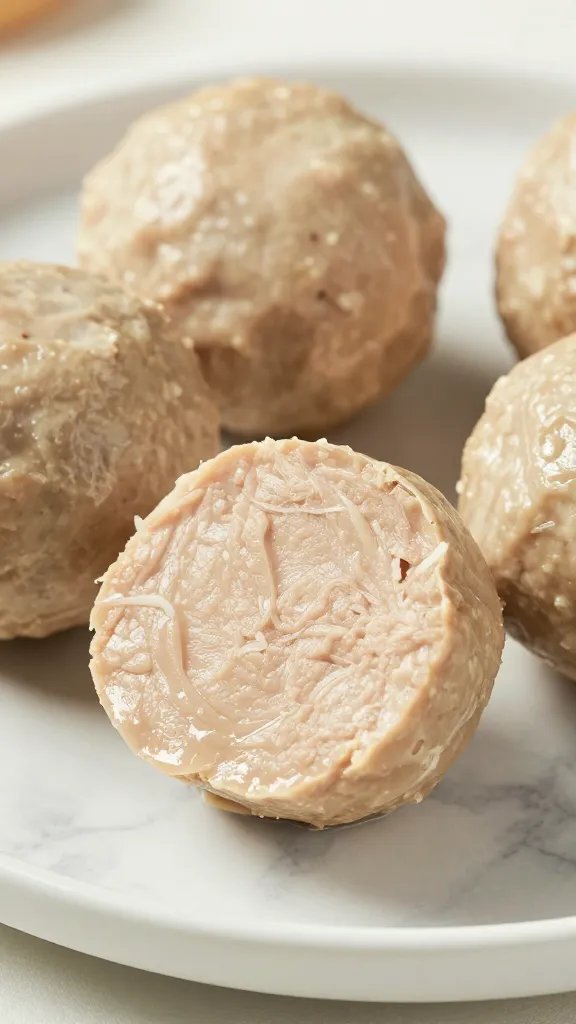
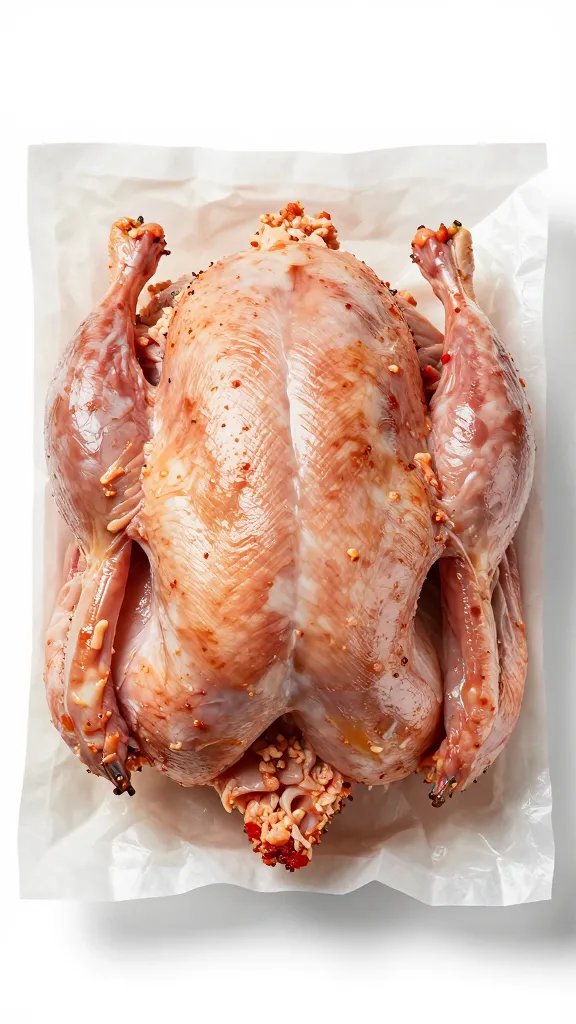
Lean turkey dries out fast. I prevent this with three things: fat, moisture, and gentle handling. I use 93% lean ground turkey, not 99%, and I add a soaked breadcrumb panade to lock in juices.
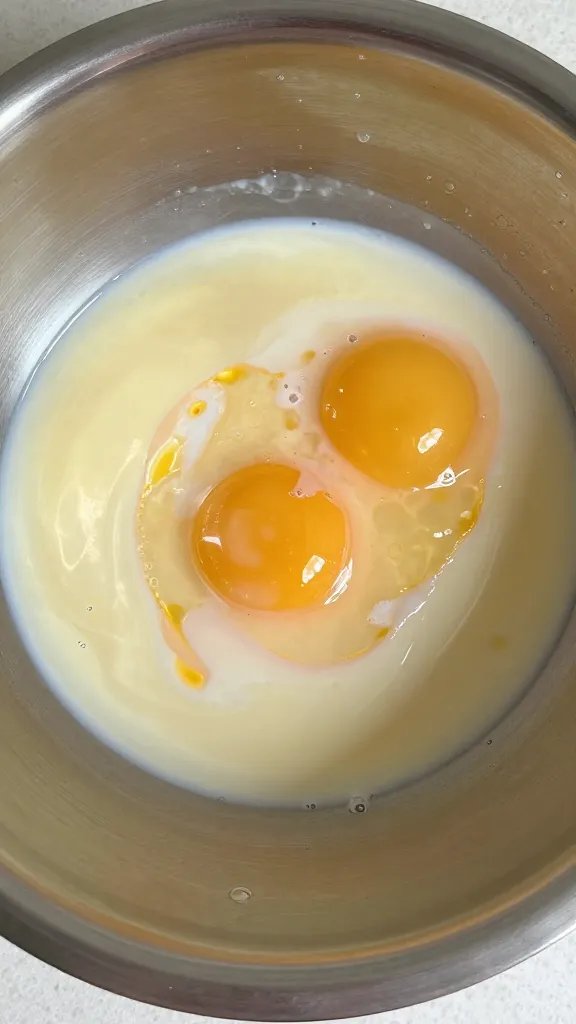
My base mix: 1 pound ground turkey, 1/2 cup fresh breadcrumbs, 1/3 cup milk, 1 large egg, 1/3 cup grated Parmesan, 1 teaspoon kosher salt, 1/2 teaspoon black pepper, 1 teaspoon garlic powder, and 1 tablespoon olive oil. I hydrate the breadcrumbs in milk for 2 minutes, then fold everything together with a fork until just combined. Overmixing makes them tough.
Shape into 1.5-inch balls with lightly oiled hands. This size cooks through without drying out and browns well in a skillet or oven.
Action today: Buy 93% lean turkey and make a quick panade: stir 1/2 cup breadcrumbs with 1/3 cup milk before mixing — your meatballs will stay juicy.
Cooking Methods That Keep Them Juicy
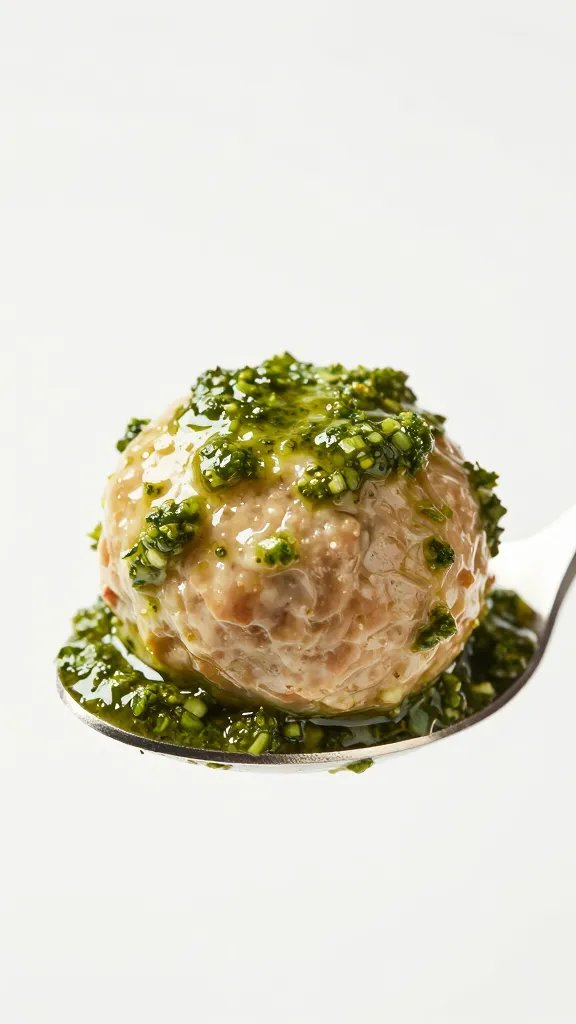
I use two reliable options: oven-baking for hands-off ease or skillet-browning plus a brief steam-finish for extra flavor.
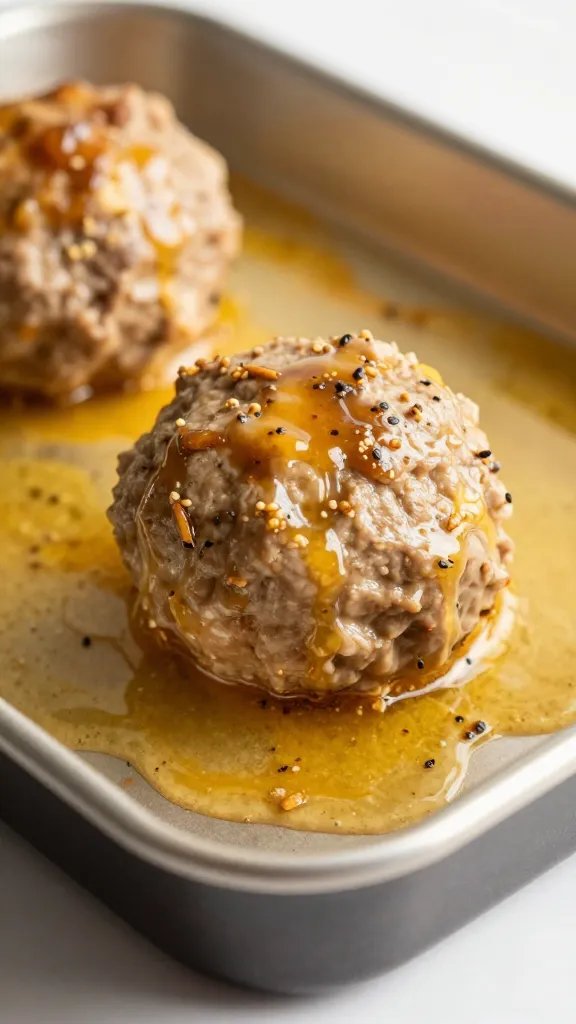
- Oven: Heat to 425°F. Place meatballs on a lightly oiled sheet pan. Bake 12–14 minutes until the centers reach 165°F or the juices run clear. For extra browning, switch to broil for the last 2 minutes.
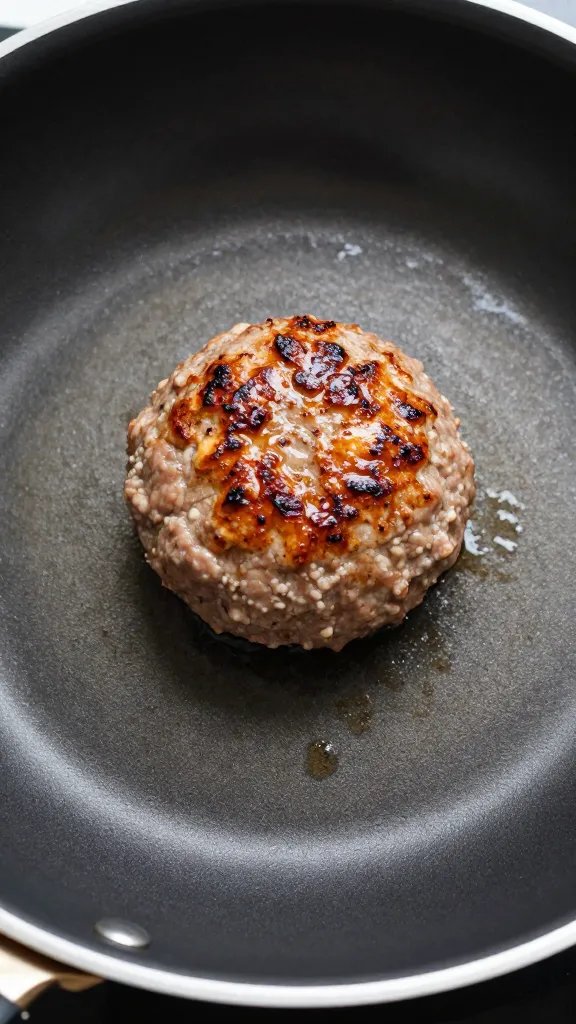
- Skillet + steam: Heat 1 tablespoon olive oil in a large nonstick skillet over medium-high. Brown meatballs on two sides, 4–5 minutes total. Add 2 tablespoons water, cover, and cook on medium for 4–6 minutes until done.
Warning signs: If you see deep cracks forming while cooking, the mix was too dry or overworked. Next batch, add 1–2 tablespoons milk and mix less.
Action today: Bake a test meatball first and taste it for salt and texture — adjust the batch before cooking them all.
Pesto That Stays Green And Bright
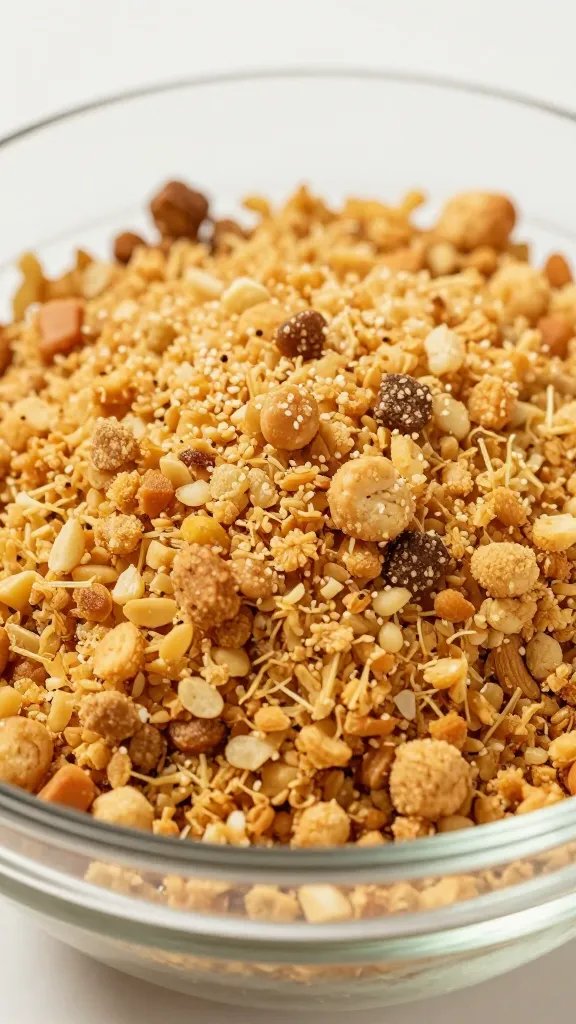
Bitterness and dull color come from overprocessing and warm blades. I keep everything cool and pulse, not puree.
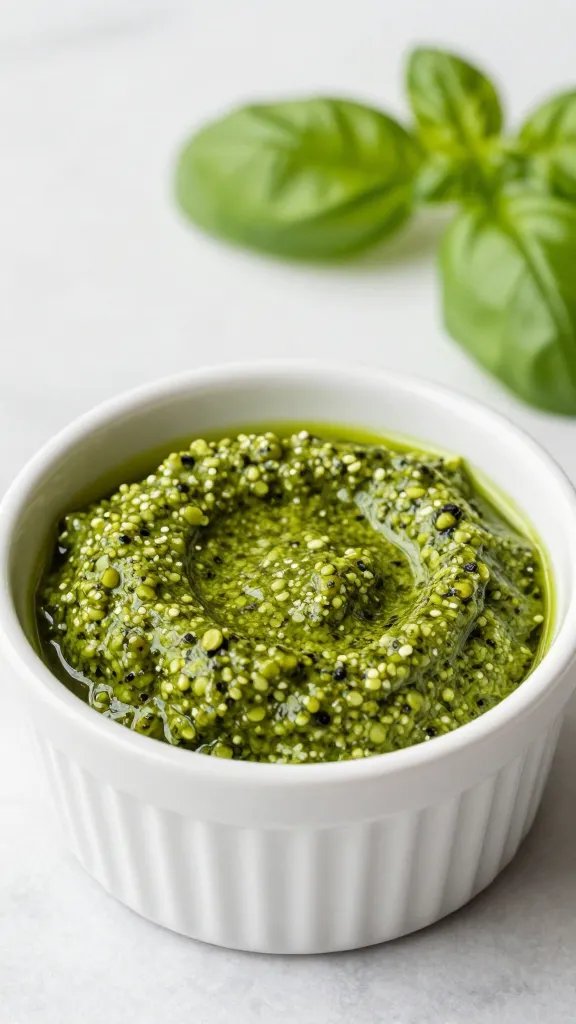
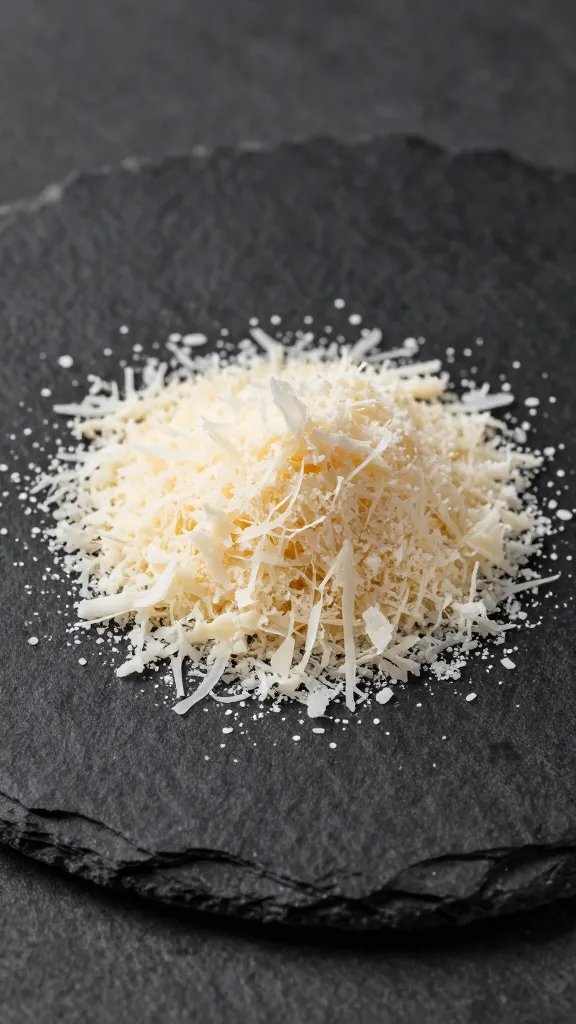
Simple pesto: 2 packed cups fresh basil leaves, 1/3 cup toasted nuts (pine nuts, walnuts, or almonds), 1 small garlic clove, 1/2 cup finely grated Parmesan, 1/2 teaspoon kosher salt, juice of 1/2 lemon, and 1/2 cup olive oil. I chill the food processor bowl and blade for 10 minutes. I pulse nuts and garlic first to a fine crumb, add basil, Parmesan, salt, and lemon, pulse again, then stream in oil just until it comes together.
Swaps: If basil looks tired at the store, replace 1 cup basil with 1 cup baby spinach to keep color and sweetness. If pine nuts are pricey, use walnuts and add a pinch more lemon.
Warning signs and fixes
- Brown edges: Add 2–3 ice cubes to the processor while blending, then strain — cold temp preserves color.
- Too thick: Loosen with 1–2 tablespoons pasta water or plain water.
- Flat flavor: Add 1/4 teaspoon salt and an extra squeeze of lemon.
Action today: Toast your nuts in a dry pan over medium for 3–4 minutes until fragrant — this prevents raw bitterness and boosts flavor.
How To Combine Pesto And Meatballs Without Greasy Clumping
Pesto transforms from great to greasy if it hits scorching-hot pans. I always toss meatballs with pesto off the heat and add a splash of warm water to help it coat.
When the meatballs are done, transfer them to a bowl. Add 1/3 to 1/2 cup pesto and 2–3 tablespoons warm water (or pasta water if serving with noodles). Toss gently until glossy and evenly coated.
If serving with pasta, cook 8 ounces of short pasta, reserve 1/2 cup cooking water, and toss the pasta with 1/2 cup pesto and 1/4 cup water first. Fold in meatballs at the end so they don’t break.
Action today: Keep a 1/2-cup of starchy cooking water or warm tap water ready — it’s the difference between clumpy and silky.
Smart Make-Ahead, Freezing, And Reheating
Turkey meatballs pesto suits meal prep if you freeze components separately. I freeze cooked meatballs plain and stash pesto in thin, flat bags for quick thawing.
Cool cooked meatballs, then freeze on a sheet pan 1 hour. Bag and label; they keep 3 months. Reheat from frozen in a 350°F oven for 12–15 minutes or simmer gently in a covered pan with 1/4 cup water for 8–10 minutes. For pesto, spread in a thin layer in a zip bag and freeze flat. Break off chunks as needed and thaw at room temp 10 minutes.
Action today: Double the meatball batch and freeze half plain — you’ll have a 15-minute dinner next week.
Serving Ideas And Reliable Add-Ins
I keep sides simple and bright to match pesto’s freshness. I like lemony greens, roasted veg, or a quick pan sauce.
- Low-carb bowl: Meatballs over zucchini ribbons or sautéed spinach with extra lemon.
- Family pasta: Short pasta with peas and a handful of halved cherry tomatoes tossed in at the end.
- Sheet-pan dinner: Roast asparagus or broccoli at 425°F for 12 minutes while meatballs bake; toss everything with pesto in a bowl.
- Saucy option: Stir 2 tablespoons pesto into 1/2 cup chicken broth and 2 tablespoons cream for a light skillet sauce.
Action today: Roast a tray of broccoli alongside the meatballs and toss both with pesto in one bowl — zero extra pans.
Troubleshooting Common Problems
If your batch misses the mark, you can fix most issues fast with a texture or acidity adjustment.
- Dry meatballs: Toss hot meatballs with 1 tablespoon olive oil and 2–3 tablespoons warm water before adding pesto. Next time add 1–2 tablespoons milk to the mix.
- Bland flavor: Finish with 1/2 teaspoon flaky salt and a squeeze of lemon. Parmesan also boosts savoriness — add 2 tablespoons more to pesto.
- Greasy coating: Thin pesto with warm water and toss off heat. Wipe out any excess oil from the pan before combining.
- Pesto tastes harsh: Add 1/2 teaspoon sugar or honey and more lemon. Swap in spinach for half the basil next time.
Action today: Taste a meatball and a spoonful of pesto separately before combining — season each to perfect, then marry them.
Frequently Asked Questions
Can I make turkey meatballs without eggs?
Yes. Replace the egg with 2 tablespoons plain Greek yogurt or 2 tablespoons mayonnaise for binding and moisture. Keep the panade (breadcrumbs + milk) the same. Mix gently and chill the formed meatballs 15 minutes before cooking so they hold shape.
What if I only have 99% lean ground turkey?
Add 1 tablespoon olive oil and increase milk in the panade to 1/2 cup to compensate for the low fat. Do not overbake — pull them as soon as they reach 165°F. Toss with pesto and a spoon of warm water immediately to keep them moist.
Can I use store-bought pesto?
Yes, but brighten it. Stir in fresh lemon juice to taste, 1–2 tablespoons grated Parmesan, and a splash of warm water to loosen. Warm the meatballs first, then toss off heat with the adjusted pesto to avoid separating the oil.
How do I make this gluten-free?
Use gluten-free breadcrumbs or 3 tablespoons quick oats for the panade and check that your Parmesan is labeled gluten-free. Everything else stays the same. For serving, choose gluten-free pasta or roasted vegetables instead of noodles.
What nuts work best if I can’t find pine nuts?
Walnuts give the closest body and mild bitterness that balances basil. Toast them lightly and add a bit more lemon to brighten. Almonds also work and make a slightly sweeter pesto; add a pinch more salt.
Conclusion
You can make turkey meatballs pesto that stay juicy, bright, and weeknight-fast with a few reliable habits: build in moisture, cook to temperature, and toss with pesto off the heat. Pick one improvement today — the breadcrumb panade, the chilled pesto method, or the water splash when tossing — and lock it in. Next time, double the batch and freeze half; you’ll have a confident, flavorful dinner on standby.