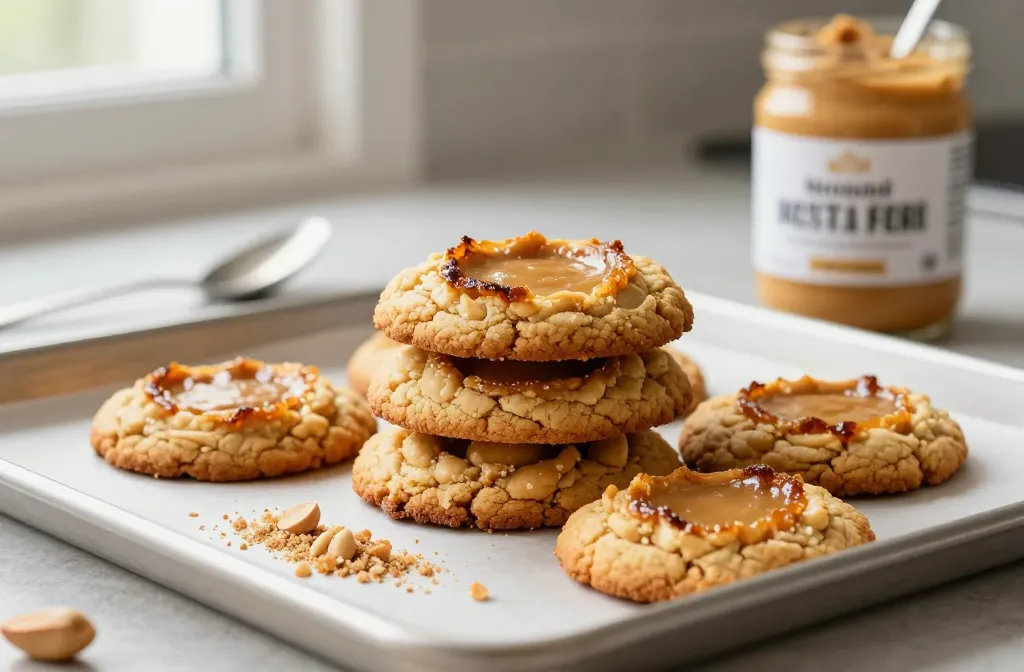
I started baking keto treats when I missed the snap of a real cookie with my afternoon coffee. My first batches spread into oily puddles or baked up dry and crumbly — classic low-carb pitfalls. After dozens of tweaks, I locked in a formula that tastes like a bakery cookie without the sugar crash. You’ll learn the exact ingredients, method, and small tricks that guarantee crisp edges, chewy middles, and stable dough every time.
The Ingredient Blueprint That Makes Keto Cookies Behave
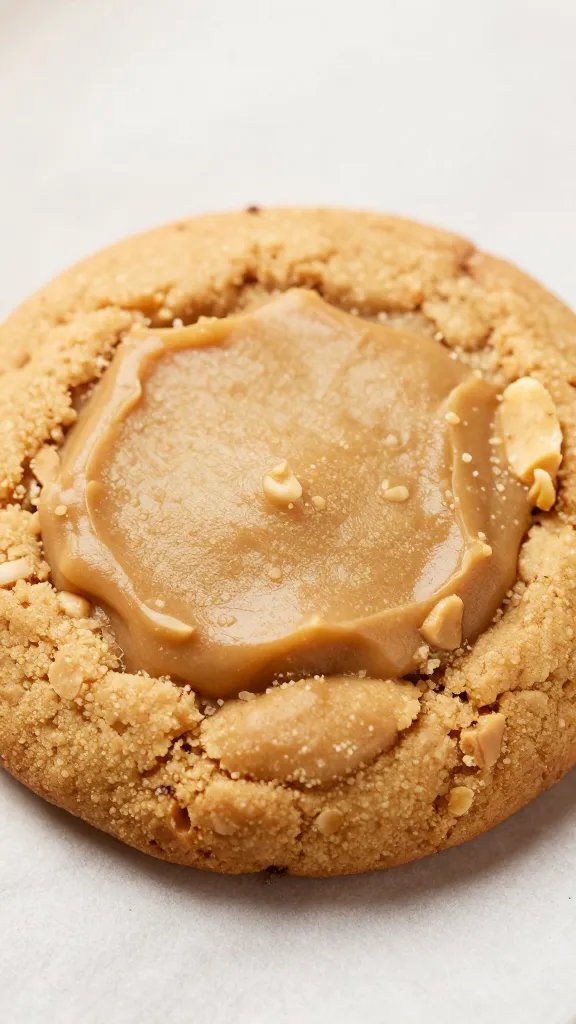
Traditional cookies rely on sugar and flour for structure and browning. In keto baking, you replace those with granular erythritol/monk fruit blends and fine almond flour, then reinforce with egg and a touch of peanut butter for fat and flavor. Each piece plays a role: sweetener for crunch, almond flour for body, egg for binding, and peanut butter for chew.
Skip natural sweeteners that stay syrupy. Use a granulated blend so the cookie edges caramelize slightly and set. Choose unsweetened, no-stir peanut butter (thicker texture) so the dough doesn’t loosen and spread.
Action today: Read your peanut butter label and pick one with just peanuts and salt — no added sugar, and ideally a thicker “no-stir” style.
My Proven Recipe: 20-Minute Keto Peanut Butter Cookies
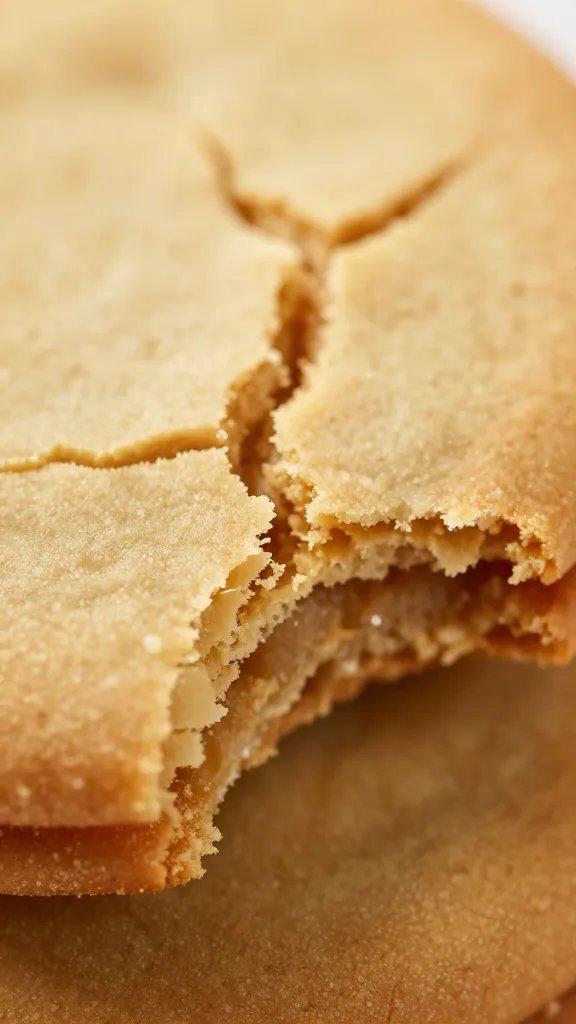
This small-batch makes 12 cookies — perfect for apartment ovens and small trays. Double it if you have a crowd.
- 1 cup fine almond flour (not almond meal)
- 1/2 cup granulated erythritol/monk fruit blend
- 1/2 cup unsweetened no-stir peanut butter
- 1 large egg, room temperature
- 2 tablespoons melted unsalted butter (or refined coconut oil)
- 1 teaspoon vanilla extract
- 1/2 teaspoon baking powder
- 1/4 teaspoon fine salt (halve if peanut butter is very salty)
- Optional: 1/4 teaspoon cinnamon or a few drops liquid stevia if you prefer sweeter
- Preheat oven to 350°F (175°C). Line a baking sheet with parchment.
- Whisk almond flour, sweetener, baking powder, and salt in a bowl.
- In a second bowl, mix peanut butter, egg, vanilla, and melted butter until smooth.
- Combine wet and dry. Stir until a thick dough forms. If sticky, rest 3 minutes to let almond flour hydrate.
- Scoop 12 balls (about 1 tablespoon each). Roll quickly between your palms, set on tray, and flatten with a fork in a crisscross pattern to about 1/2-inch thick.
- Bake 9–11 minutes until edges look set and lightly golden. Centers will still look soft.
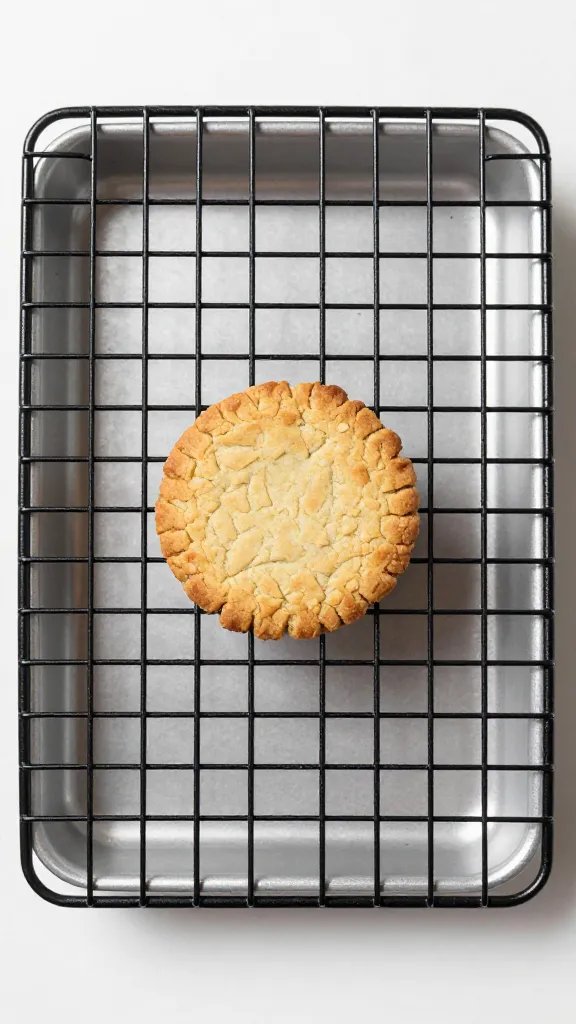
- Cool on the tray 10 minutes before moving — they firm as they cool.
Takeaway: Don’t overbake; pull them when edges set and let the carryover heat finish the center.
Why Low-Carb Cookies Spread Or Crumble — And How To Fix It
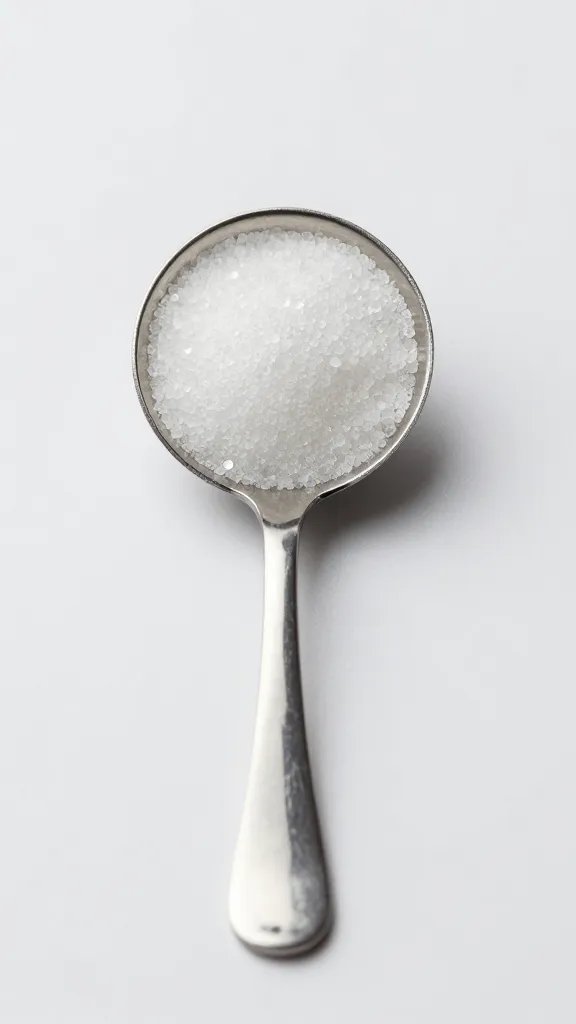
Keto doughs swing between greasy spreading and dry crumbling because sugar and gluten are missing. Balance comes from proper fat, a reliable binder, and controlling moisture.
Warning Signs
- Greasy puddles: Peanut butter too runny or excess butter.
- Dry and sandy: Too much almond flour or overbaking.
- Fragile when moved: Handled while hot or not enough binder.
Step-by-Step Fixes
- If the dough looks glossy or slick, mix in 1–2 teaspoons almond flour and rest 5 minutes.
- If it crumbles when shaped, add 1–2 teaspoons water or a drizzle of melted butter to bring it together.
- If cookies spread too thin, chill the portioned dough on the tray for 15 minutes, then bake.
Action today: Before baking, pinch a bit of dough — it should hold a clean edge without sticking to your fingers.
Sweeteners And Texture: Getting The Crunch Without Sugar
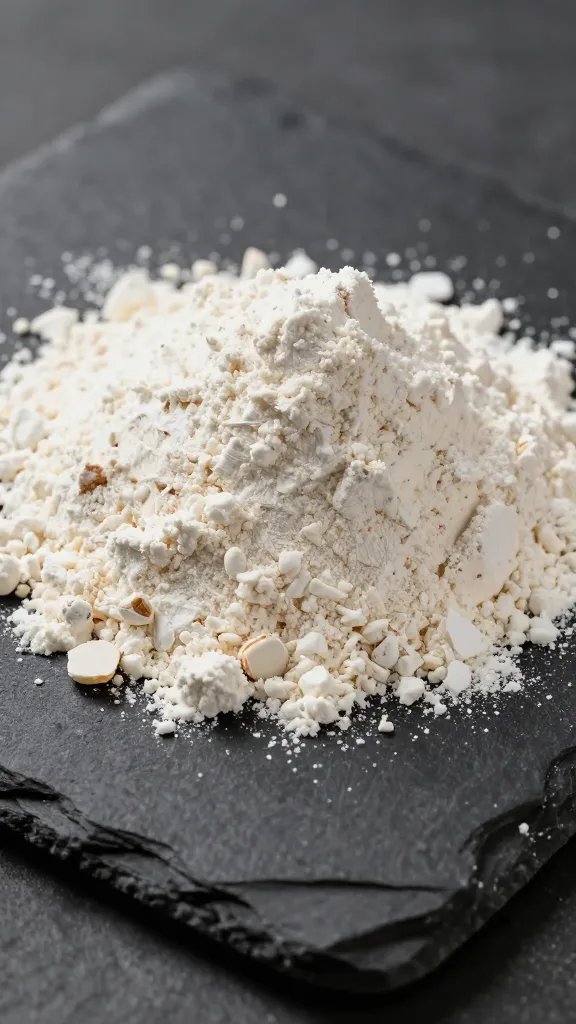
Erythritol-forward blends give the most “cookie-like” snap because they recrystallize as they cool. Allulose bakes soft and stays chewy, which many people like but it browns faster, so you must reduce oven temperature by 15–25°F if you swap it.
Avoid powdered sweeteners here unless you prefer a softer bite; they won’t create crisp edges. For more sweetness without changing structure, add 3–5 drops liquid stevia rather than more granulated sweetener.
Takeaway: For crisp edges, use a granulated erythritol/monk fruit blend and keep the bake time short.
Carb Counts, Portions, And Smart Add-Ins
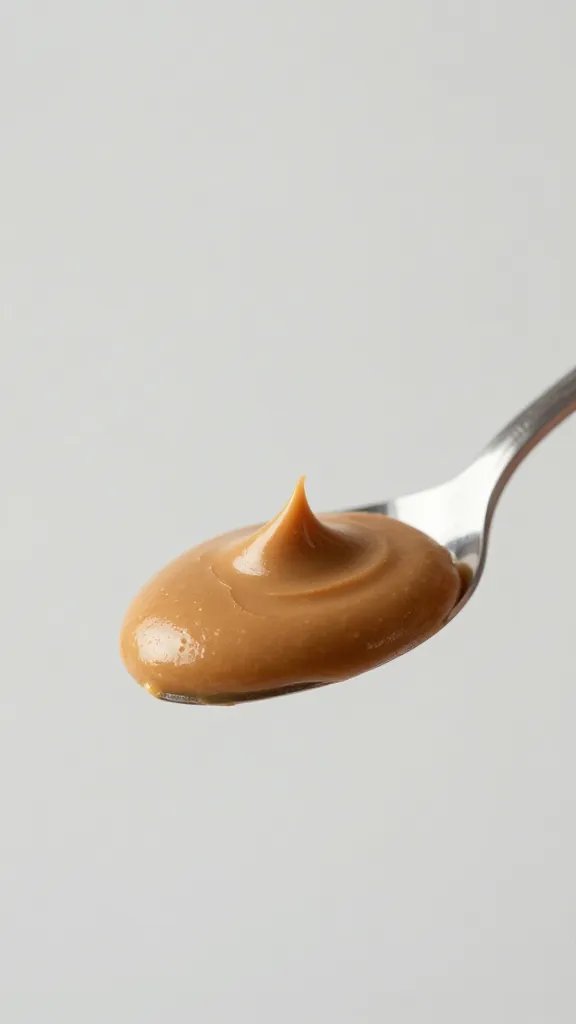
With the listed ingredients and 12 cookies, you’ll land around 2–3g net carbs per cookie, depending on your brands. Always check labels; peanut butters vary.
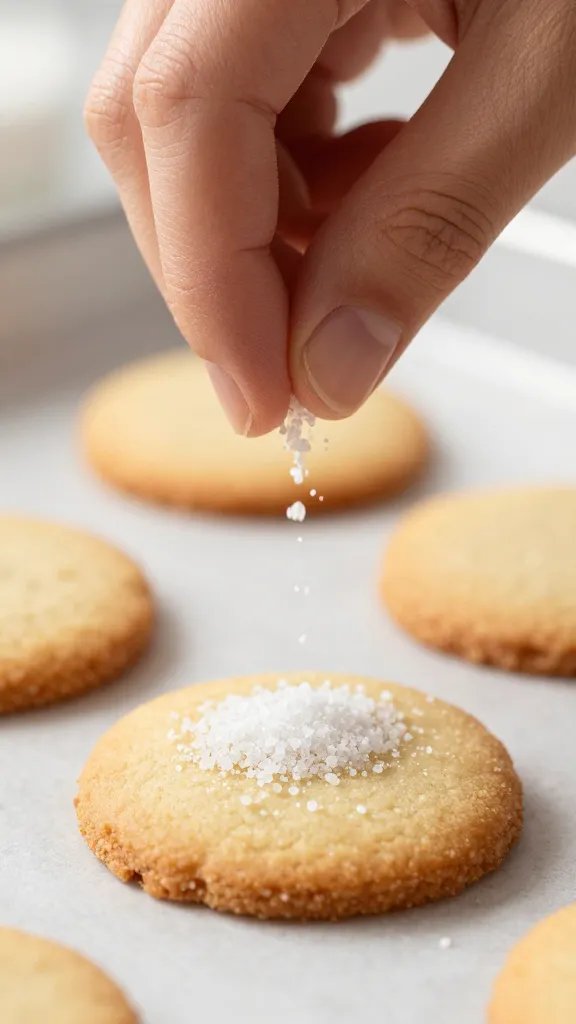
Great low-carb add-ins include unsweetened chopped peanuts (1–2 tablespoons), 70–90% dark chocolate chips that are sugar-free, or a sprinkle of flaky salt after baking. Keep total add-ins to 1/4 cup so the dough structure holds.
Action today: Weigh or measure your peanut butter and sweetener the first time you make the recipe — consistency locks in reliable carb counts.
Equipment And Small Techniques That Change The Outcome

Use parchment to prevent sticking and promote even browning. A light-colored baking sheet prevents overbrowning on the bottom; dark sheets run hot.
Flatten to a uniform thickness with a fork. Uneven disks bake unevenly. For picture-perfect edges, use a round cookie cutter to “scoot” each cookie into shape right after baking while still hot.
Action today: Switch to a light aluminum tray lined with parchment — it fixes most bottom-burn problems immediately.
Storage, Freezing, And Meal-Prep
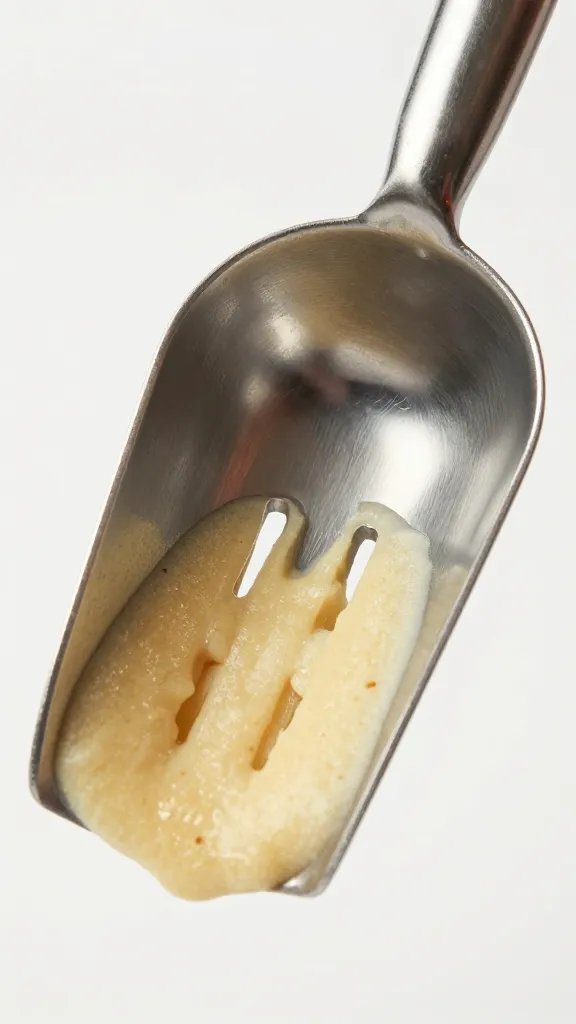
Cool completely, then store in an airtight container at room temperature for 3–4 days. For longer storage, refrigerate up to one week; the texture firms slightly.
Freeze baked cookies or raw scooped dough. For dough, freeze balls on a tray, then bag. Bake from frozen at 350°F for 11–13 minutes. For baked cookies, thaw at room temperature 20 minutes or warm for 30 seconds in a low oven.
Action today: Double the recipe and freeze half the dough as pre-portioned balls for instant fresh cookies later.
Frequently Asked Questions
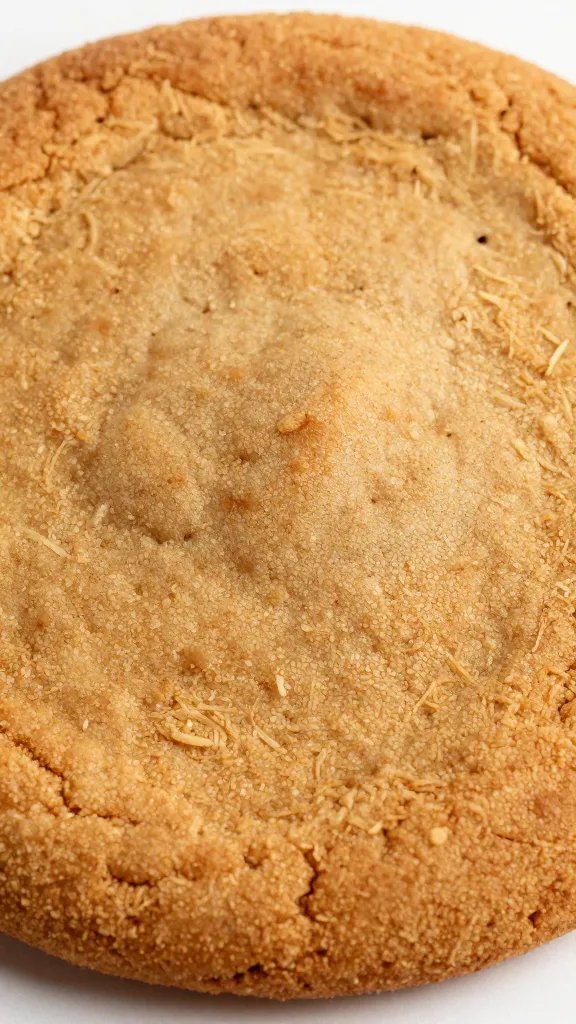
Can I use coconut flour instead of almond flour?
Coconut flour is far more absorbent and will make these cookies dry and crumbly if swapped 1:1. If you must use it, start with 1/4 cup coconut flour for every 1 cup almond flour and add 1 extra egg to compensate. Expect a different texture and monitor the dough closely. I recommend sticking with fine almond flour for this specific recipe.
Do I need to chill the dough?
With no-stir peanut butter and the stated ratios, chilling isn’t required. If your peanut butter is on the runny side or your kitchen is warm, a 15–20 minute chill prevents spreading. Chilling also sharpens fork-mark definition. If the dough feels tacky, chill; if it feels firm, bake straight away.
My cookies taste cool or minty — what happened?
That “cooling effect” comes from erythritol. Reduce the erythritol by 1–2 tablespoons and add a few drops of liquid stevia to maintain sweetness. You can also try a blend that includes allulose for a rounder sweetness and less cooling. Keep bake time tight so flavors stay clean.
How do I make them extra chewy?
Swap 2 tablespoons of the erythritol blend for allulose and underbake by 1 minute. Let them set on the tray for the full 10 minutes after baking. A teaspoon of sugar-free maple syrup can also add chew, but count the carbs. Store in an airtight container to preserve moisture.
Can I make them dairy-free?
Yes. Replace butter with refined coconut oil in the same amount. Refined oil avoids coconut flavor and keeps the fat profile stable. Watch the bake time closely; dairy-free batches brown a touch faster.
Conclusion
You now have a reliable, repeatable method for keto peanut butter cookies that taste like the real thing — with crisp edges, soft centers, and a clean ingredient list. Bake the base recipe once as written, note your oven’s sweet spot between 9 and 11 minutes, then tailor sweetness and add-ins to your taste. If you’re ready to branch out next, try the same method with almond butter and a pinch of espresso powder for a mocha twist.