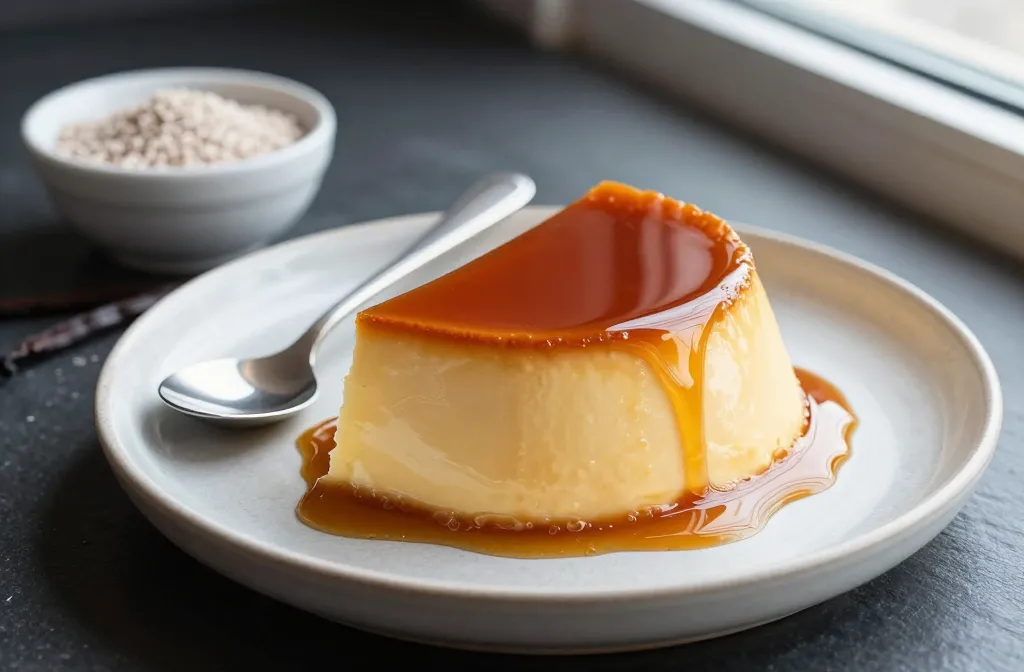
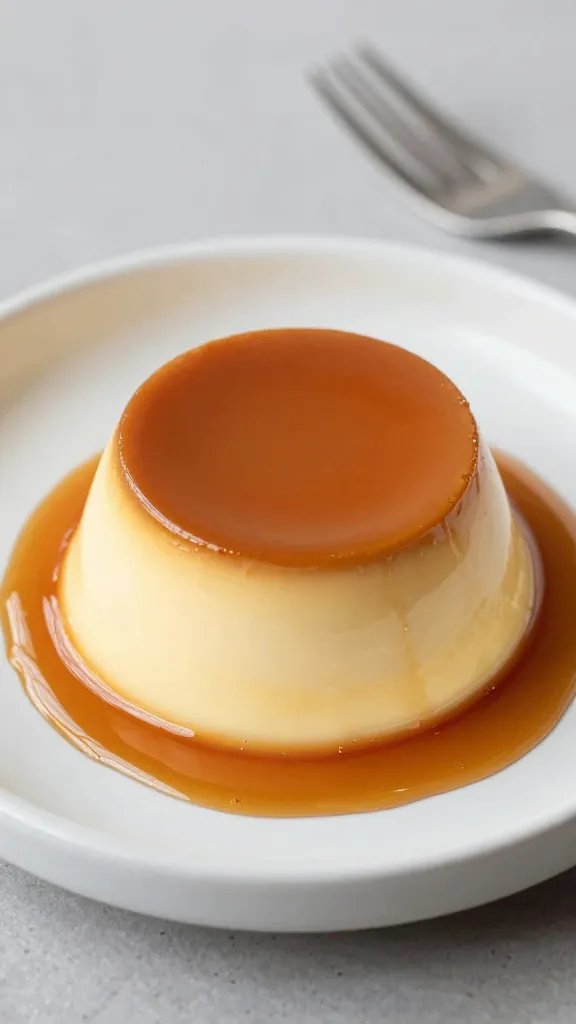
I love classic flan, but the sugar hit used to wipe me out after dinner. When I started low-carb cooking, every keto flan I tried tasted like egg pudding or turned grainy. After a lot of testing, I dialed in a method that keeps the silky wobble, deep caramel flavor, and clean slice — with a fraction of the carbs. Here’s exactly how to get there in a home kitchen with basic tools.
Keto Flan (Crème Caramel)
Ingredients
Equipment
Method
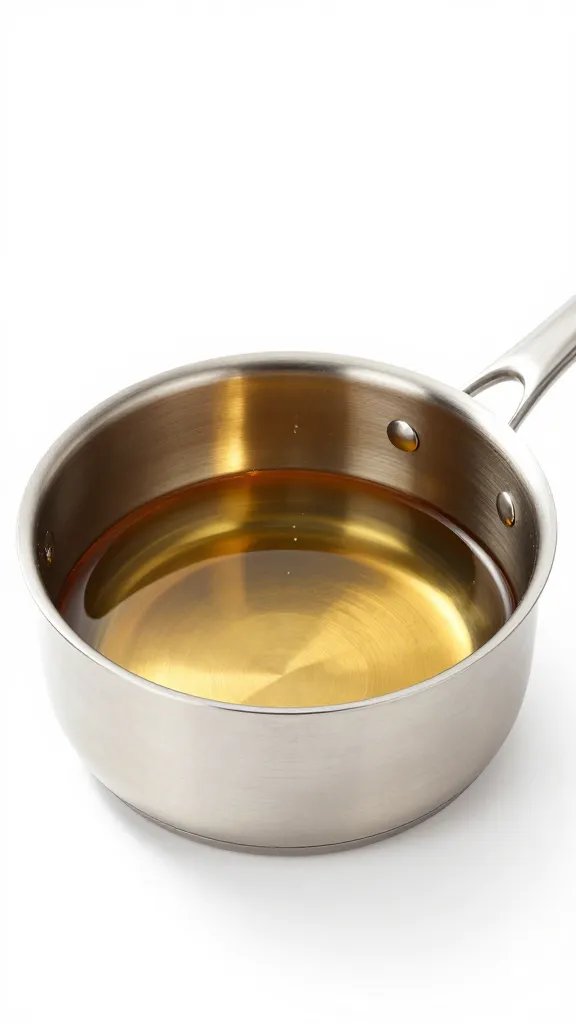
- Cook the allulose and water in a clean dry saucepan over medium heat, without stirring, until light amber, 5 to 8 minutes. Swirl to even the colour, then pour into a cake pan or ramekins, tilting to coat the bottom.
- Warm the cream over low heat until steaming, not boiling. Whisk the eggs, yolks, sweetener, vanilla, and salt smooth, then slowly whisk in the hot cream. Strain through a fine sieve.
- Heat the oven to 325°F. Set the mold on a folded towel in a roasting pan, pour in the custard, and add hot water halfway up the sides. Cover loosely with foil.
- 30 to 40 minutes for ramekins, 45 to 60 for a larger pan, until the edges are set and the centre jiggles like soft gelatin.
- Cool, then refrigerate at least 4 hours. Run a knife around the edge and invert to serve.
Notes
What Makes Flan “Keto” Without Tasting Like Diet Food
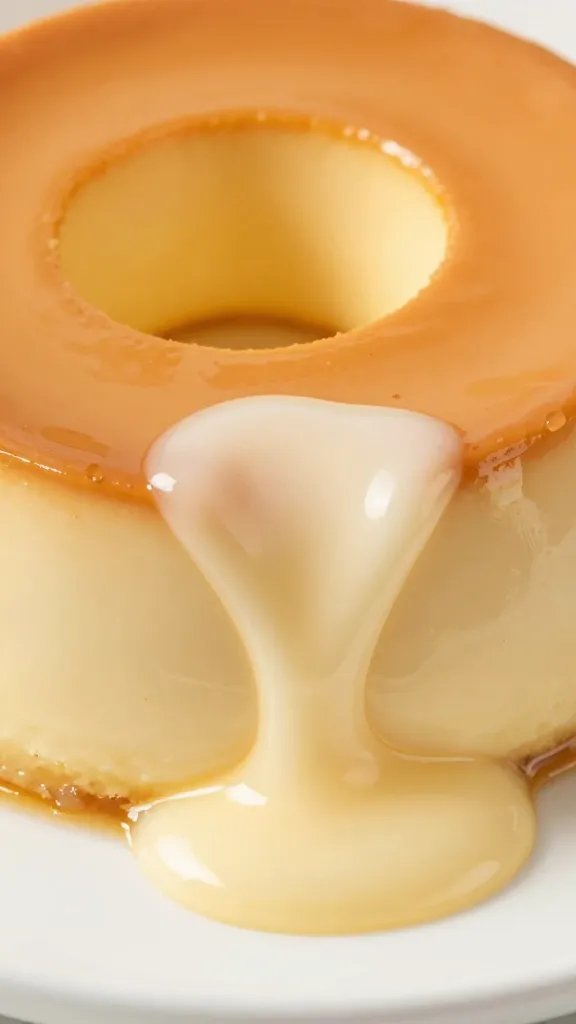
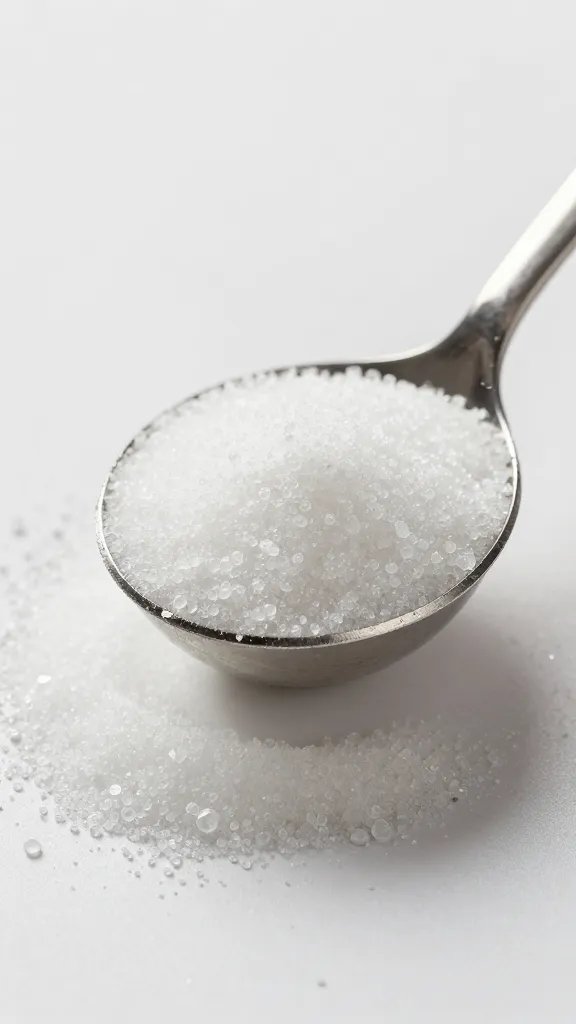
Traditional flan relies on two sugar jobs: sweetening the custard and creating caramel. To keep the taste and texture, I replace table sugar with a 1:1 granulated sweetener blend and build caramel flavor with a stovetop syrup made from allulose, which actually browns.
Allulose dissolves and colors like sugar, while erythritol and monk fruit blends give clean sweetness in the custard without crystallizing. The custard base stays classic: eggs, cream, vanilla, and a pinch of salt for roundness.
Action today: Pick up a bag of allulose and a 1:1 erythritol–monk fruit blend — these two cover both caramel and custard perfectly.
The Carb Math You Can Trust
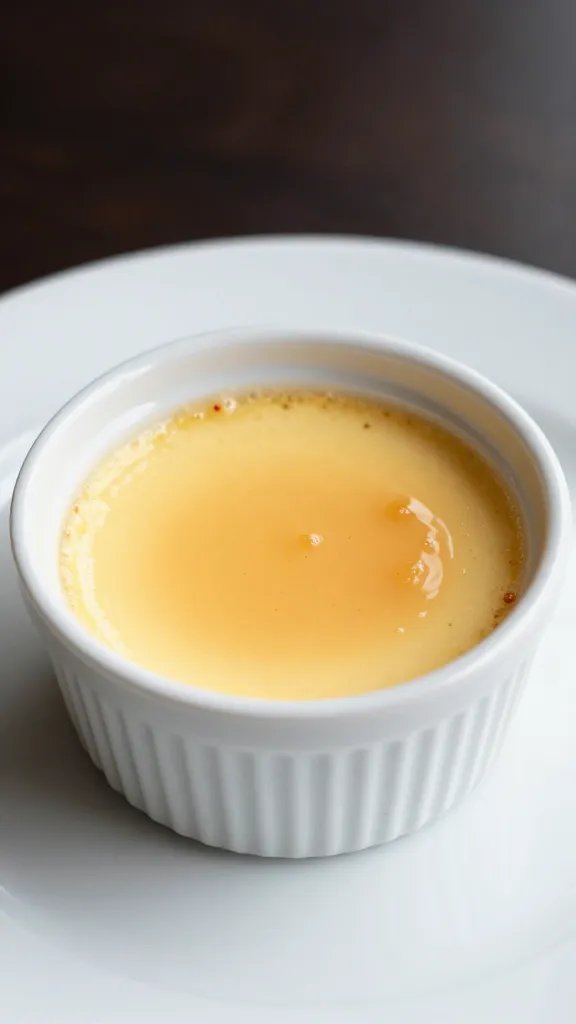
For six servings, I use 2 cups heavy cream, 3 large eggs + 2 yolks, 1/3 cup granular sweetener for the custard, and 1/2 cup allulose for the “caramel.” That yields about 4–5 g net carbs per serving, depending on your cream brand.
Allulose and erythritol count as zero net carbs for most trackers because the body doesn’t metabolize them the same way as sugar. The only significant carbs come from the cream and trace carbs in eggs and vanilla.
Takeaway: Log your specific brands once and save the recipe in your tracker so you never recalc the macros.
Ingredients and Tools You Already Own
You don’t need specialty molds. A standard 8–9 inch metal cake pan or 6 small ramekins work. Use a roasting pan or deep baking tray to create a gentle water bath.
What to Buy
- Allulose (granulated) for the caramel layer
- Erythritol–monk fruit blend (1:1 sugar substitute) for the custard
- Heavy cream (2 cups)
- Eggs (3 large) + egg yolks (2)
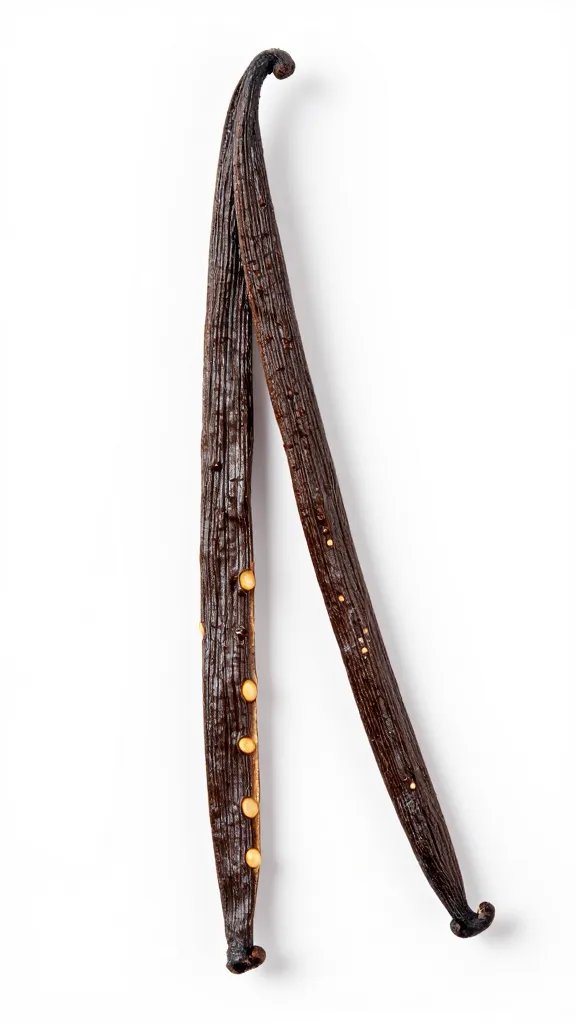
- Pure vanilla extract (2 teaspoons)
- Fine salt (a pinch)
Tools
- Medium saucepan and whisk
- Fine-mesh strainer
- 8–9 inch cake pan or 6 ramekins
- Roasting pan for the water bath
- Electric kettle or pot for hot water
- Foil and a clean kitchen towel
Action today: Set out your roasting pan and chosen mold and make sure they fit in your oven with room for hot water.
Step-by-Step: Silky Keto Flan With Real Caramel Flavor
1) Make the Keto “Caramel” Base
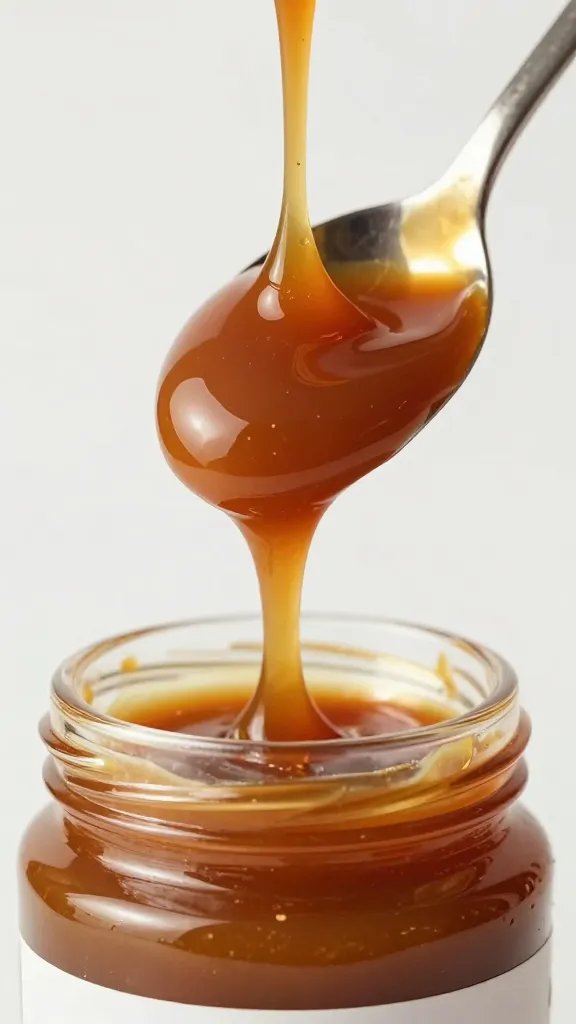
- Add 1/2 cup allulose and 2 tablespoons water to a clean, dry saucepan. Cook over medium heat without stirring until it dissolves and turns light amber, 5–8 minutes. Swirl the pan gently to even the color.
- When amber, remove from heat and immediately pour into your cake pan or divide among ramekins, tilting to coat the bottom. It sets fast — work quickly.
Warning sign: If it smells sharp or smoky, it’s over. Start a new batch; burnt allulose tastes bitter.
2) Blend the Custard
- Warm 2 cups heavy cream over low heat until steaming, not boiling.
- In a bowl, whisk 3 eggs, 2 yolks, 1/3 cup erythritol–monk fruit, 2 teaspoons vanilla, and a pinch of salt until smooth.
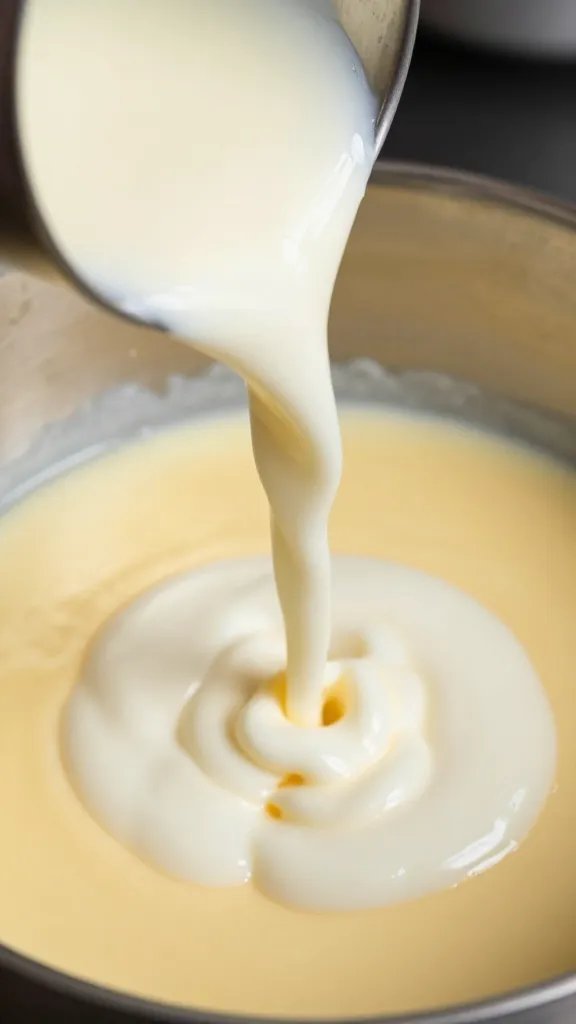
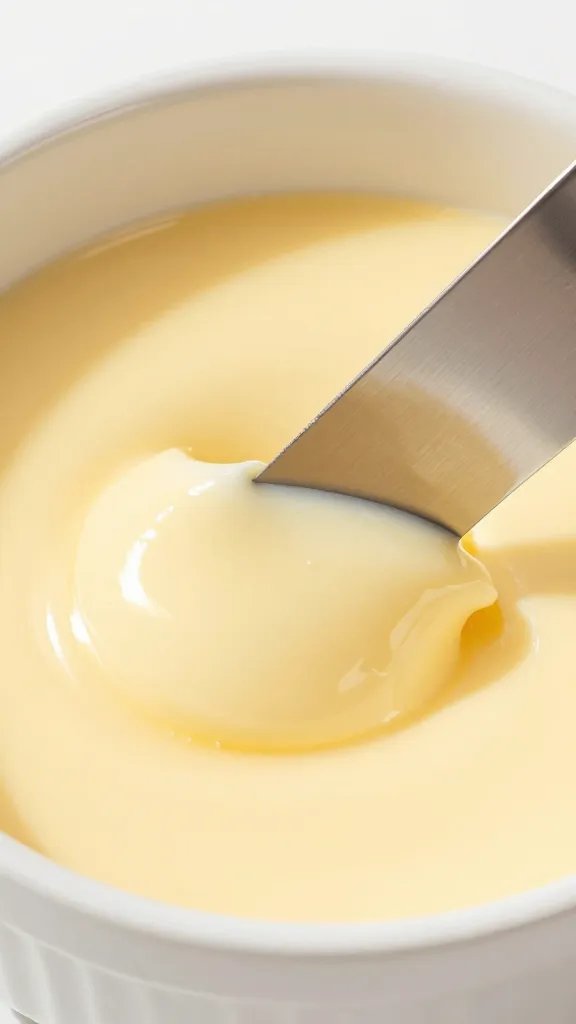
- Slowly whisk the hot cream into the eggs to temper. Strain the mixture through a fine-mesh strainer into a pouring jug. This removes bubbles and chalazae for a silky set.
3) Bake Gently in a Water Bath
- Heat oven to 325°F (163°C). Place a folded kitchen towel in the roasting pan to stabilize the mold and prevent overcooking on the bottom.
- Set your flan mold on the towel. Pour custard over the set caramel.
- Place the pan on the oven rack, then pour hot tap water into the roasting pan until it reaches halfway up the sides of the mold. Cover the flan loosely with foil to prevent a rubbery top.
- Bake 30–40 minutes for ramekins or 45–60 minutes for a larger pan. The flan is done when the edges are set and the center jiggles like soft gelatin — it will firm as it cools.
4) Chill and Unmold Cleanly
- Remove from the water bath and cool to room temperature, then chill at least 4 hours, preferably overnight.
- To unmold, run a thin knife around the edge, set a plate on top, and flip. If it resists, dip the bottom of the pan in hot water for 10–15 seconds and try again.
Action today: Practice the caramel step with 1/4 cup allulose and 1 tablespoon water in a small skillet to learn the color change before making a full batch.
The Science Behind Texture: How to Keep It Silky
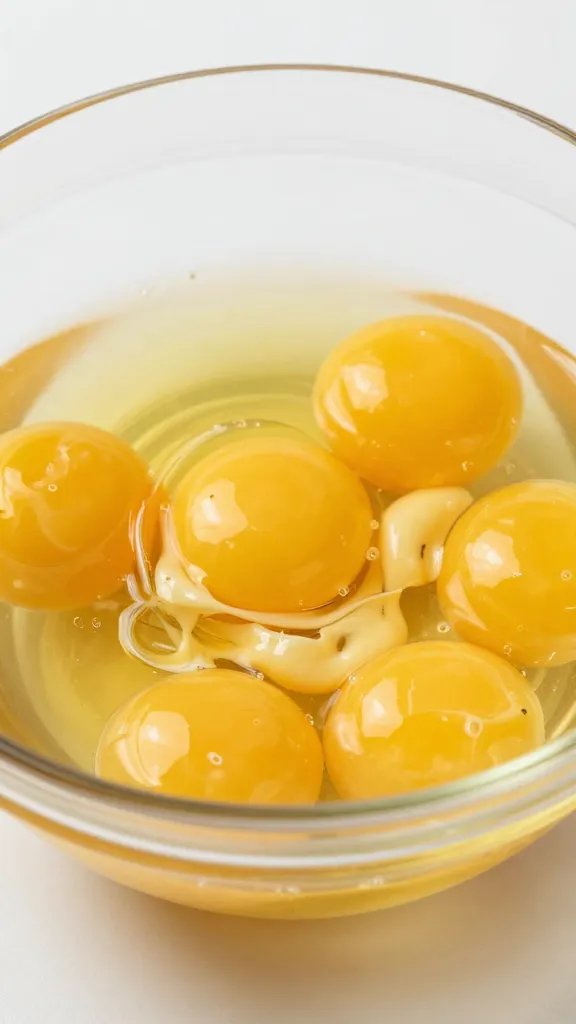
Protein sets custard, not sugar. The egg-to-cream ratio controls firmness. Extra yolks add richness without making it eggy. Overheating scrambles proteins and creates curds.
Two safeguards fix this: a water bath that buffers heat and a foil cover that prevents a tough skin. Straining the custard and baking at 325°F gives you a fine, glassy gel instead of bubbles.
Takeaway: Never bake above 325°F and always use a water bath — that’s the entire texture secret.
Common Keto Flan Problems and Fast Fixes
Grainy or Wet-Looking Custard
Cause: Overbaking or too hot an oven. The center should wobble like Jell-O, not slosh or stand stiff.
Fix: Pull it earlier next time and check 10 minutes sooner. If your oven runs hot, set to 300°F and extend time by 5–10 minutes.
Crystallized or Sandy “Caramel”
Cause: Using erythritol in the caramel. It crystallizes on cooling.
Fix: Use pure allulose for the caramel layer. If you only have blends, skip the hard caramel and make a quick sauce: simmer 1/2 cup allulose, 1/4 cup water, and 1 tablespoon butter until amber; spoon over slices at serving.
Eggy Smell or Taste
Cause: High heat or not enough vanilla/salt to balance.
Fix: Bake lower and slower, and add the full 2 teaspoons vanilla plus a pinch of salt. Chill overnight — flavor mellows.
Action today: Add a cheap oven thermometer to your rack; trust the thermometer, not the dial.
Flavor Variations That Stay Low-Carb
- Coffee Flan: Stir 1 tablespoon instant espresso into the warm cream.
- Coconut Flan: Swap 1 cup cream for 1 cup full-fat coconut milk; add 1/4 teaspoon coconut extract.
- Orange-Vanilla: Add 1 teaspoon fresh orange zest to the custard and 1/8 teaspoon orange extract. Zest adds aroma with negligible carbs.
- Chocolate: Whisk in 2 tablespoons unsweetened cocoa to the warm cream and an extra tablespoon sweetener to balance.
Takeaway: Keep total liquid at 2 cups and the same egg count; change only flavors to protect the set.
Frequently Asked Questions
Can I use stevia alone for keto flan?
Stevia alone tastes bitter in dairy and doesn’t provide bulk for custard. Use a stevia blend with erythritol for the custard and pure allulose for the caramel. If stevia is your only option, use it sparingly and add 1–2 tablespoons of powdered erythritol for body. Taste the custard base before baking and adjust.
Do I need to cover the flan while baking?
Yes. A loose foil cover prevents a rubbery top and reduces surface bubbles. Leave a small gap at one corner so steam can escape. If you forget, the flan still tastes fine but the texture suffers, so cover it next time for a glassy finish.
How do I stop the caramel from hardening in the pan?
Allulose caramel does set, but it reliquefies as the chilled flan rests because moisture from the custard dissolves it. If some remains stuck after unmolding, warm the pan bottom in hot water for 10 seconds and pour the loosened syrup over the flan. Don’t add cream to the caramel at the start — it dulls the flavor and raises carbs.
Can I make this ahead for guests?
Yes. Bake the day before and chill overnight; the texture improves and the caramel loosens. Unmold up to 2 hours before serving, cover, and keep refrigerated. Leftovers hold 3–4 days tightly wrapped.
What if I don’t have a roasting pan for the water bath?
Use any deep baking tray or a large skillet that’s oven-safe. The key is water that reaches halfway up the sides of your mold. Place a folded kitchen towel under the mold to distribute heat and prevent sliding when you add water.
Conclusion
You can have the classic flan experience on keto if you treat sweetness and caramel as separate jobs and control heat with a water bath. Set yourself up once — stock allulose and a 1:1 blend — and the method becomes second nature. Make a small test batch this week, learn the amber color on your stove, and you’ll serve a glossy, sliceable flan that no one at the table pegs as low-carb.
Printable Recipe Card
Want just the essential recipe details without scrolling through the article? Get our printable recipe card with just the ingredients and instructions.