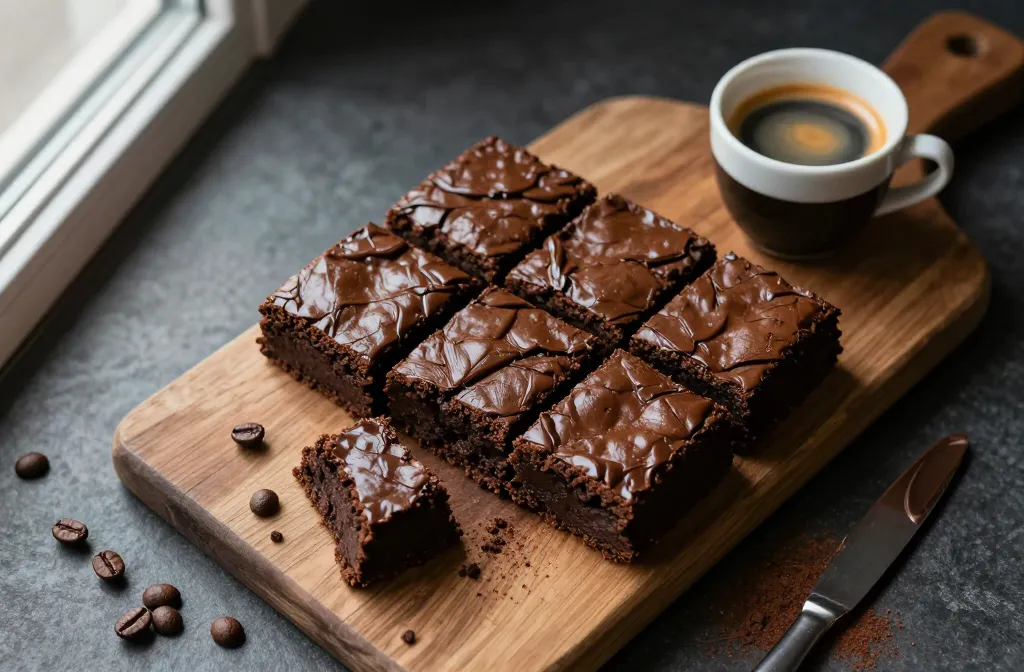
I started baking keto to keep desserts in my week without the mid-afternoon fog. The first espresso brownies I tried tasted like cocoa-flavored omelets — flat, dry, and nowhere near café-worthy. After a dozen pans and a lot of tweaks with ingredients you can buy at any supermarket, I locked a method that gives a shiny top, fudgy middle, and real espresso punch. You’ll learn the exact ratios, tools, and steps that make espresso keto brownies taste like the real thing — and how to fix common problems on the spot.
The Core Formula That Makes Keto Brownies Fudgy, Not Dry
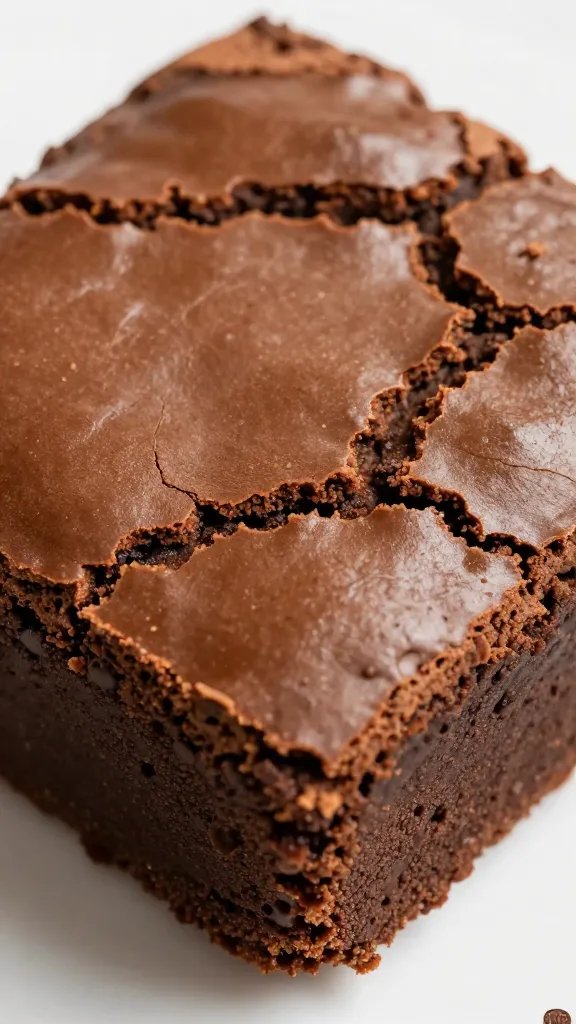
Keto brownies fail when the recipe leans too hard on nut flour and not enough on fat. I balance almond flour with cocoa powder and a generous amount of butter to replace the structure and moisture that sugar usually provides. Espresso adds depth, but texture comes from fat and minimal stirring.
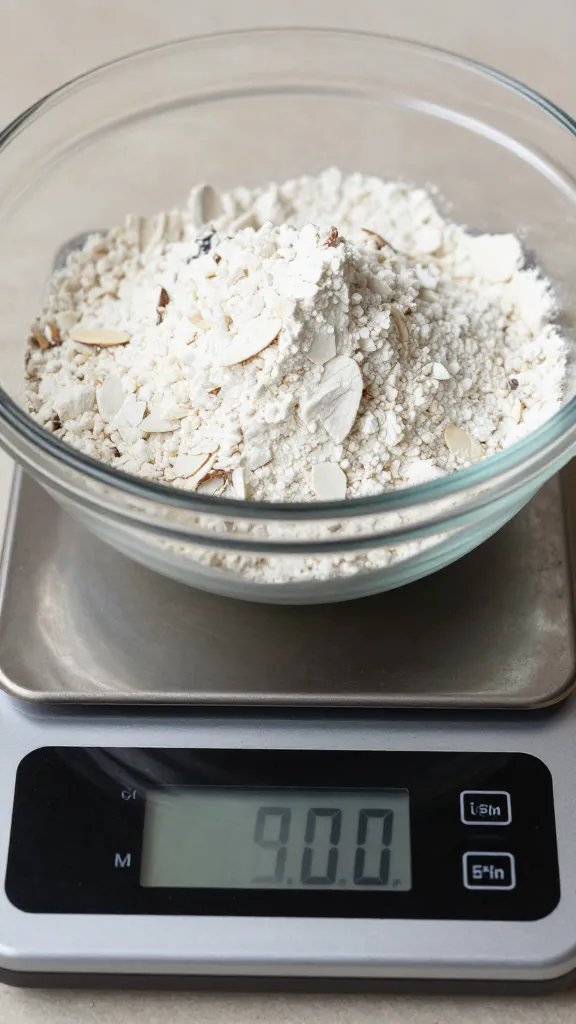
Use this base ratio by weight for an 8-inch pan: 170 g butter, 140 g allulose (or 110 g erythritol + 30 g allulose), 2 large eggs, 60 g cocoa powder, 60 g fine almond flour, 30 ml strong brewed espresso (or 2 tsp instant espresso dissolved in 30 ml hot water), 1 tsp vanilla, 1/2 tsp baking powder, 1/4 tsp salt.
Action today: Weigh your ingredients once instead of scooping — it removes 90% of texture problems.
Why Espresso Belongs In The Batter (And How To Add It)
Espresso intensifies chocolate flavor the way salt boosts savoriness. I brew a small, very strong shot and cool it to warm — hot liquid will scramble eggs and dull sweetness.
If you don’t have an espresso machine, mix 2 teaspoons instant espresso powder with 2 tablespoons hot water. Avoid drip coffee; it’s too weak and adds water without flavor.
Action today: Stir 1 teaspoon instant espresso into your cocoa before mixing — it disperses evenly and prevents bitter pockets.
Sweeteners That Taste Like Sugar And Bake Like It
Most keto sweeteners crystallize, which causes a sandy texture and a dull top. Allulose behaves most like sugar and keeps brownies moist and fudgy. Erythritol sweetens well but needs a bit of allulose to prevent crunch once cooled.
A 75/25 split (erythritol/allulose) keeps cost down, but a 100% allulose batch gives the chewiest center. Avoid pure stevia or monk fruit extracts alone — they sweeten but don’t provide bulk or moisture.
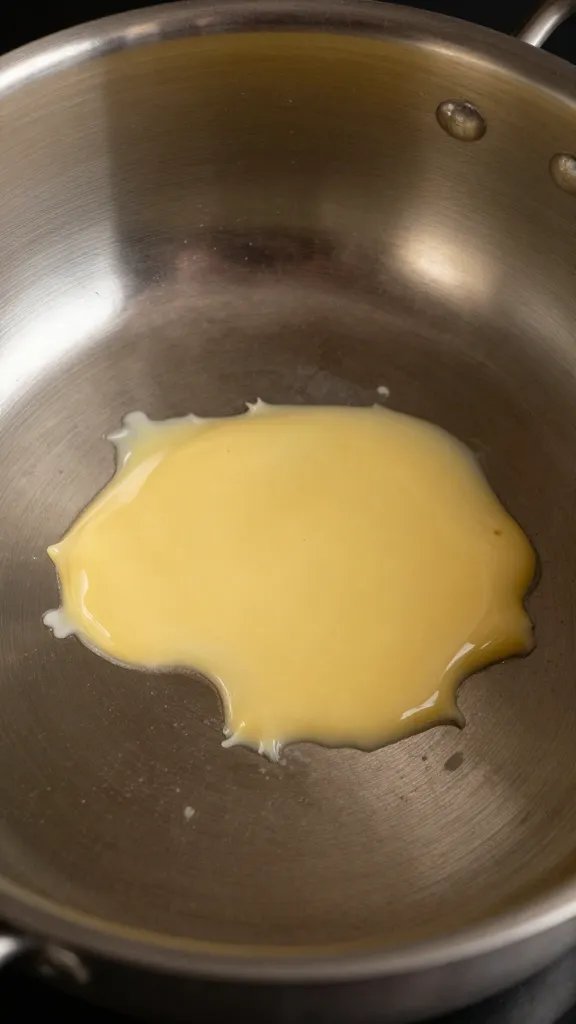
Action today: If your sweetener is granular, warm it with melted butter over low heat until mostly dissolved before adding eggs — this yields a glossy top.
Step-By-Step: Mixing For Shine And Fudge
- Prep the pan: Line an 8-inch square pan with parchment, leaving overhang. Set oven to 325°F (160°C).
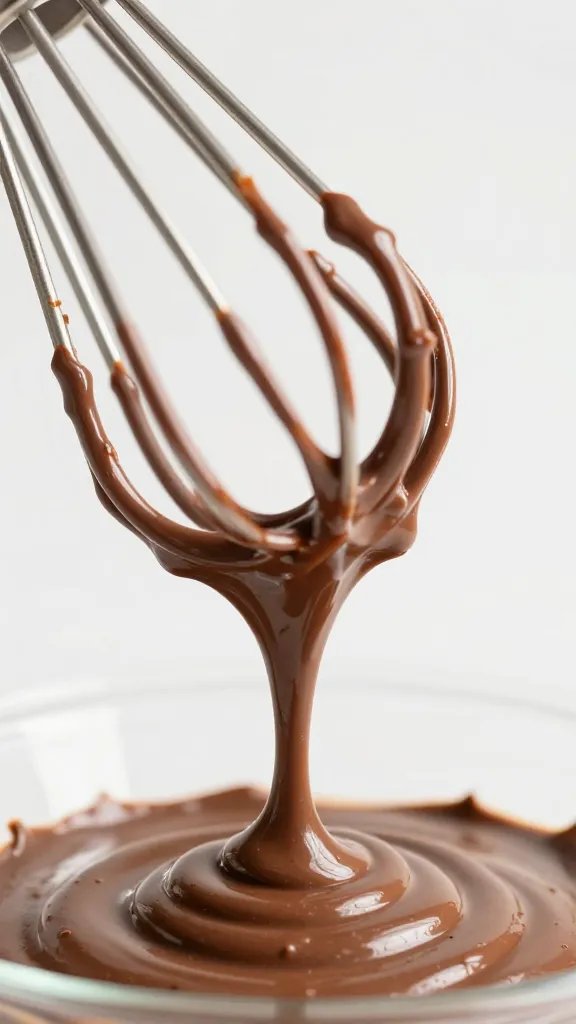
- Melt and bloom: In a saucepan, melt 170 g butter over low heat. Off heat, whisk in 60 g cocoa and the warm espresso until smooth and glossy.
- Sweeten and dissolve: Whisk in 140 g sweetener until mostly dissolved. Warm 1-2 minutes if needed; don’t boil.
- Emulsify: Whisk in 2 eggs, one at a time, until the batter thickens and looks shiny. Add 1 tsp vanilla and 1/4 tsp salt.
- Dry blend: In a bowl, whisk 60 g fine almond flour with 1/2 tsp baking powder to break clumps.
- Fold gently: Stir dry mix into the chocolate base with a spatula just until no dry spots remain. Stop as soon as it’s uniform.
- Optional mix-ins: Fold in 40 g 85–90% dark chocolate chunks or sugar-free chips and 1 tbsp cocoa nibs for texture.
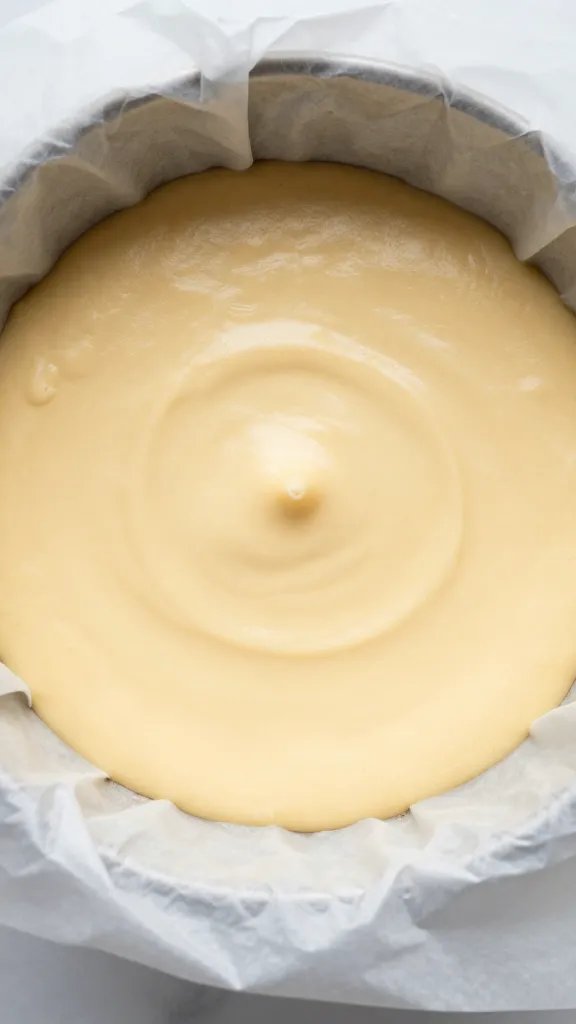
- Bake: Spread batter in pan. Bake 18–22 minutes until the edges are set and the center jiggles slightly. A toothpick should come out with a few moist crumbs, not wet batter.
- Set and slice: Cool in pan 20 minutes, then chill 30–45 minutes before slicing for clean edges and fudgy centers.
Action today: Pull brownies when the center still has a soft wobble — overbaking by 3 minutes dries almond flour fast.
How To Nail The Shine And Crinkle Top Without Sugar
The classic brownie “crackle” comes from partially dissolved sugar creating a thin meringue on top. To mimic this, I whisk the eggs vigorously into the warm butter-sweetener mix for 45–60 seconds. This traps micro-bubbles and helps the top set glossy.
Warning signs: Dull, matte surface means the sweetener wasn’t dissolved enough or the batter was too cool. Gritty top signals pure erythritol or under-dissolved crystals.
Action today: Warm the butter/sweetener until it looks syrupy before adding eggs, then whisk hard for 60 seconds.
Flavor Boosters That Stay Keto
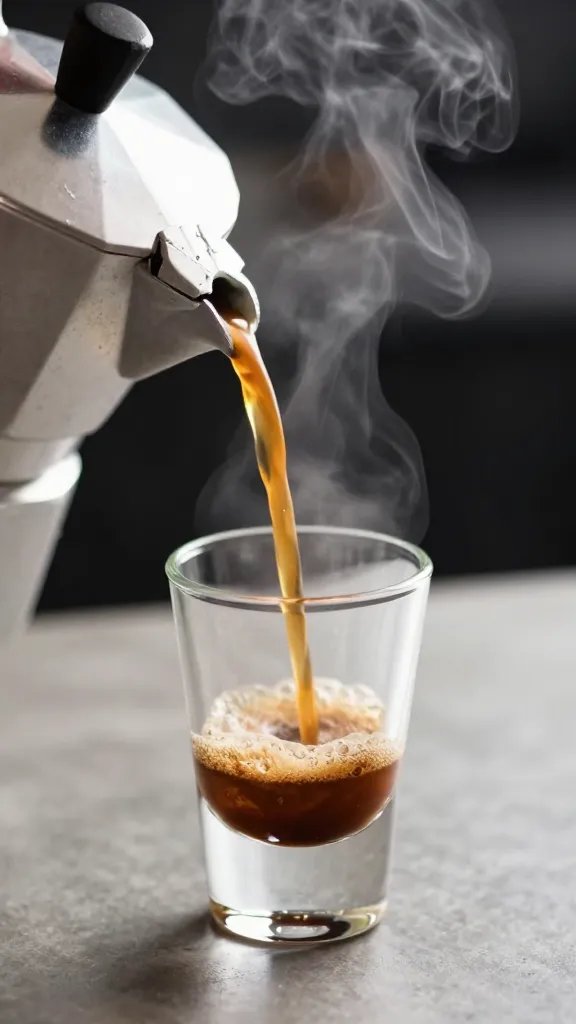
Espresso pairs well with a few keto-friendly upgrades. I add 1/4 tsp espresso powder to the dry mix and 1/2 tsp kosher salt to sharpen chocolate notes. For café depth, stir in 1 tsp vanilla and 1/8 tsp almond extract; it reads as “bakery” without tasting like almond.
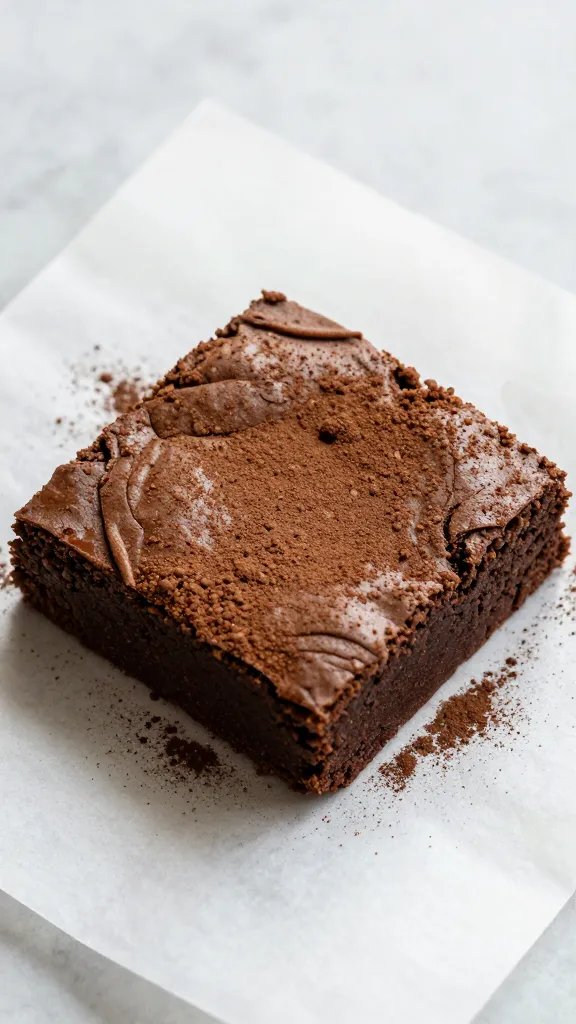
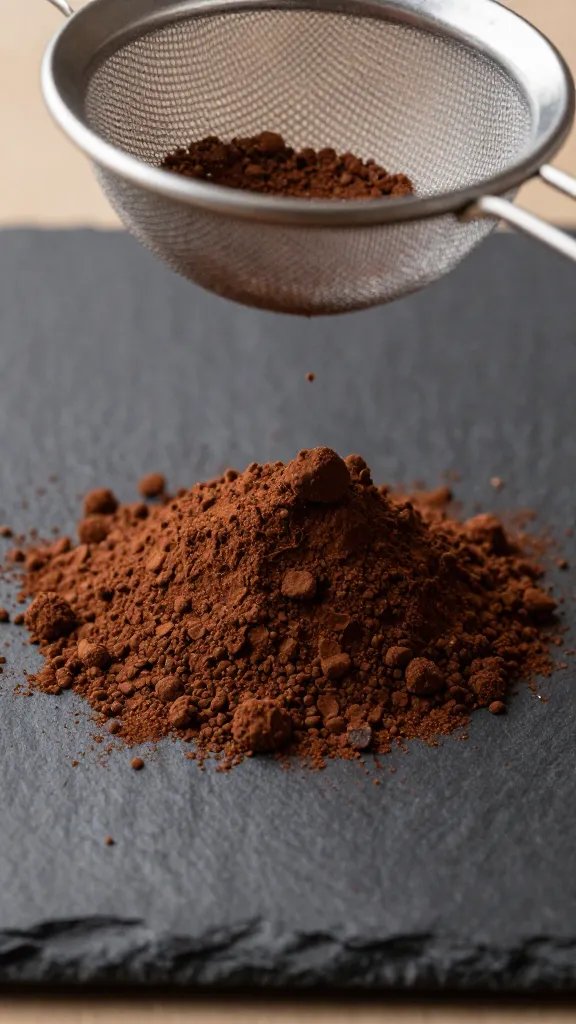
For a frosting-free finish, dust cooled brownies with a mix of 1 tsp cocoa powder and a pinch of powdered allulose. Avoid glazes; they often re-crystallize with erythritol.
Action today: Sprinkle a tiny pinch of flaky salt on the brownies right after baking — it brightens the espresso and cocoa instantly.
Common Problems And Fast Fixes
Dry, Crumbly Brownies
Cause: Overbaking or too much almond flour. Fix: Brush the warm surface with 2 tablespoons warm espresso mixed with 1 tablespoon melted butter. Let it soak as the pan cools. Next batch, pull at 18–20 minutes and reduce almond flour by 10 g.
Eggy Taste
Cause: Too many eggs or under-bloomed cocoa. Fix: Stick to 2 large eggs and bloom cocoa in hot butter and espresso. Add 1 teaspoon vanilla and a 1/8 teaspoon almond extract to mask sulfur notes.
Cooling Into A Brick
Cause: High erythritol crystallization. Fix: Rewarm slices in the microwave for 8–10 seconds to re-soften. Next time, swap at least one-third of the sweetener for allulose and add 1 tablespoon avocado oil to the batter.
Strong Bitterness
Cause: Over-extracted coffee or too much espresso powder. Fix: Use 1–2 teaspoons instant espresso total and ensure it dissolves fully. Balance with 10–15 g extra allulose and a pinch more salt.
Action today: If your baked pan tastes bitter, dust lightly with powdered allulose and add a drizzle of heavy cream to each serving — it balances flavors fast.
Storage, Freezing, And Serving For Best Texture
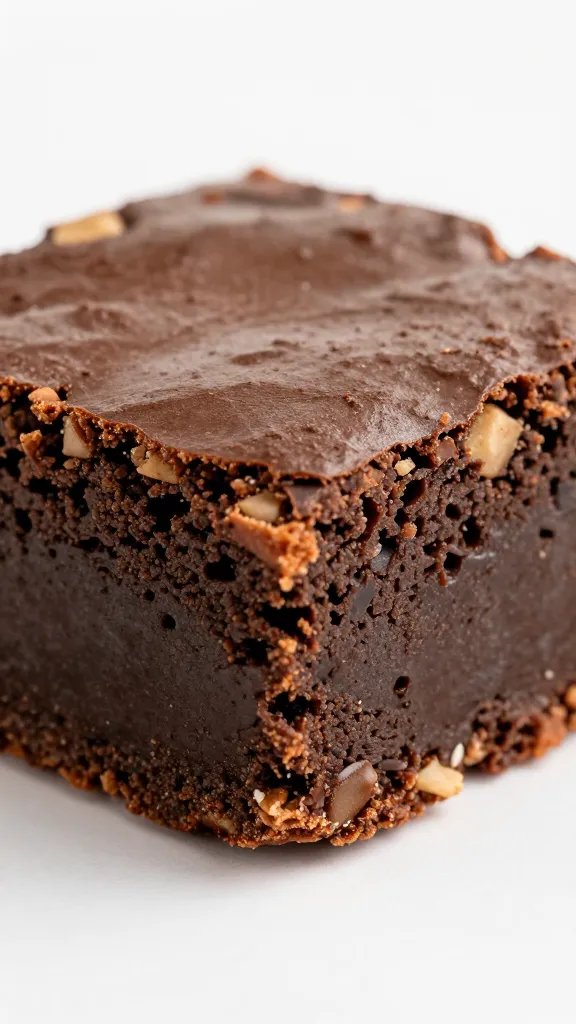
These brownies taste best after a rest. I cool, chill 30–45 minutes, then store in an airtight container.
- Room temperature: 2 days for the best shine and chew.
- Fridge: Up to 7 days; let slices sit 10 minutes before serving.
- Freezer: Wrap individual squares and freeze up to 2 months. Thaw at room temp 30 minutes or warm 10 seconds in the microwave.
Serve with a dollop of lightly sweetened whipped cream (allulose + vanilla) or a spoon of mascarpone. The fat rounds the espresso and keeps the crumb fudgy.
Action today: Freeze half the batch once cooled — future you will thank you on a busy weeknight.
Frequently Asked Questions
Can I replace almond flour with coconut flour?
Not 1:1. Coconut flour is far more absorbent and will dry the brownies. If you must use it, replace the 60 g almond flour with 20 g coconut flour and add one extra tablespoon melted butter. Expect a denser, slightly cakier result.
What sweetener gives the least aftertaste?
Allulose has the cleanest flavor and best texture. If you want more sweetness, add a few drops of liquid monk fruit to taste after mixing the batter. Do not rely on drops alone — you need bulk from a granulated sweetener for structure.
How strong should the espresso be?
Brew a short, concentrated shot — 30 ml that tastes bold but not burnt. If using instant espresso, 2 teaspoons in 2 tablespoons hot water matches that strength. Let it cool to warm before whisking into butter and cocoa.
Why didn’t I get a shiny, crinkly top?
The sweetener likely didn’t dissolve enough, or the batter cooled before whisking in the eggs. Warm the butter/sweetener mixture until it looks syrupy, then whisk in eggs vigorously for 45–60 seconds. A small portion of allulose also helps prevent a matte finish.
Can I add nuts or chocolate chips and keep it keto?
Yes. Add up to 1/2 cup chopped walnuts or pecans and 1/4–1/3 cup sugar-free dark chocolate chips. Stir them in at the end, and reduce bake time by 1–2 minutes since mix-ins hold heat and keep the center fudgy.
How do I adjust for a 9×13 pan?
Double the recipe and bake 20–26 minutes, watching for a slight jiggle in the center. Rotate the pan at 15 minutes for even baking. Start checking doneness at 20 minutes to avoid overbaking the edges.
Conclusion
You don’t need specialty gear or obscure ingredients to bake espresso keto brownies that taste like a café treat. Stick to the fudgy ratio, dissolve your sweetener properly, and pull the pan while the middle still jiggles. Bake one pan this week, note your exact bake time to the minute, and you’ll have a reliable house brownie you can repeat on autopilot — rich, espresso-forward, and blissfully low-carb.